Let's talk about the thing couples don't actually discuss
Here's the honest part: most people spent their single years figuring out how they orgasm. Alone. With time, no pressure, and the freedom to be exactly as weird as they needed to be. Then they got into a relationship, and that entire toolkit got shelved.
The cultural story says partnered sex replaces solo sex. That you graduate from masturbation to "real" sex, and asking for your own pleasure tool in the bed with your partner sounds needy, selfish, or like you're rejecting them. It's not. It's the opposite.
Why lemon vibrators change the game for partnered pleasure
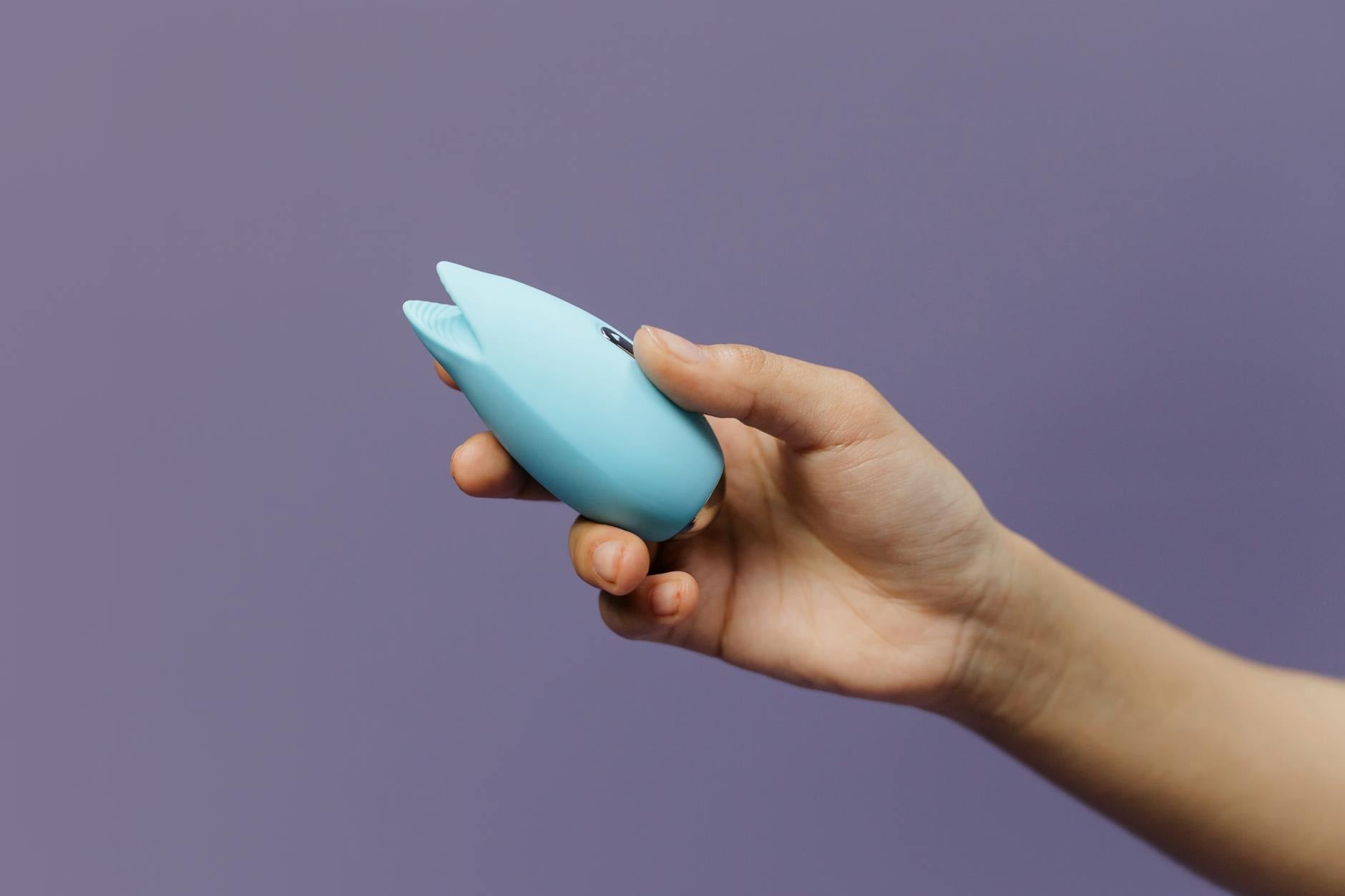
There's a reason lemon sucker technology has shifted how couples think about shared pleasure. Air-suction vibrators like the Lem don't require the same kind of hand coordination or positioning that fingering or traditional vibrators do. They work differently. They're quieter than you'd expect. And most importantly, they don't replace anything your partner is doing. They layer into it.
Say you're with a partner. They're inside you, or fingers are moving, or you're just kissing. Tucking a lemon clitoral vibrator into the mix doesn't change the dynamic. It intensifies it for you without demanding anything from them except acceptance that you're about to have a better orgasm.
Let me be direct: your partner orgasming from the sex doesn't mean you will. The physiologies are different. Introducing a lemon vibrator isn't a failure of your relationship. It's problem-solving.
The communication part (the actually hard part)
Here's what I see derail couples most often. One person wants to bring a toy into their intimate life, and instead of saying that clearly, they get tangled up in reassurance theater. "I just think it would be fun," they say, when what they mean is "I want to come." The partner hears "I'm not satisfied," which is close enough that nobody gets what they need.
Don't lead with fun. Lead with specifics.
"I've noticed I don't orgasm consistently during sex with you, and I'd like to try using a vibrator. This isn't about you not being enough. It's about me knowing how to get there faster, and honestly, I'd like you to see that." That's the conversation worth having.
If your partner resists, ask why. Sometimes it's insecurity. Sometimes it's exposure to a sexual culture that told them toys are cheating, which is objectively incorrect but culturally sticky. Sometimes they're worried it'll hurt, or change how you experience them. Get specific about the worry, then solve it.
What lemon vibrators do (and don't) change about partnered sex
Let's separate the mechanics from the psychology.
Mechanically, a lemon clitoral vibrator adds stimulation to the clitoris while your partner does whatever they're doing. If you're someone whose clitoris needs direct stimulation to orgasm (which is the majority of people with vulvas), the vibrator is filling a gap. It's not replacing sensation from your partner. It's adding the one sensation that's been missing.
Psychologically, using a toy with a partner is permission to own your own body's pleasure in front of them. That's huge. Many people spend decades defaulting to their partner's arousal rhythm, their partner's preferred positions, their partner's timeline. Saying "I need this to feel good" is radical in a culture that's taught people with vulvas that their job is to receive, not to ask.
Solo pleasure with a partner present isn't selfish. It's honest.
Why air-suction toys work especially well in this scenario
Lemon vibrators use air-suction technology, which feels fundamentally different from traditional vibration. It's gentler on the tissue, doesn't require direct pressure, and most people find it feels less mechanical. For partnered sex specifically, that matters because it's one less thing to negotiate.
A traditional bullet vibrator needs a specific angle. It can get in the way of what your partner is doing. A lemon clitoral vibrator sits directly on the clitoris and stays there. Your partner doesn't have to think about it. You don't have to hold it. It just works.
The stimulation pattern also doesn't interrupt flow. You can build sensation steadily while your partner is moving, touching, or inside you. Many couples find it actually enhances connection because both people are focused on the same goal: your pleasure.
The timing and positioning logistics
In practice, here's what works. Start with the vibrator already in place before your partner enters the picture. That takes away the awkward "wait, hold on, let me grab this" moment. Apply lubricant to the toy (water-based, always). Turn it on once you're both comfortable.
If your partner is penetrating you, the vibrator sits at the top of the vulva, against the clitoris, and doesn't interfere. If you're receiving oral sex, skip the vibrator. If you're having manual sex with hands and toys together, the vibrator becomes the hands-free layer that lets your partner focus on rhythm or penetration while you're handled by the toy.
The most common scenario I see couples navigate successfully is this one: your partner is moving inside you, you have the vibrator on your clitoris, and you're both building toward orgasm together. You get there first, because the vibrator is handling your clitoris while your partner handles everything else. Then they continue and orgasm from what's happening with you, or you reciprocate, or you just stay there together for a minute.
That's partnered sex with toys. Not replacement. Addition.
What changes about your own pleasure once you allow this
Here's something I notice in my practice that people don't expect: once you use a lemon vibrator with a partner and actually come, something shifts. You've now proved to your body and your partner that you can have an orgasm in the room with them. That you know how to get there. That your pleasure is possible within your partnership.
Some couples find they want to use toys every time. Others use them occasionally. Some find that once the barrier is broken, the psychological permission alone is enough to shift what's possible without the toy present.
There's no "correct" frequency. You're not failing if you want to use a lemon clitoral vibrator every single time you have sex. You're not failing if you only want it sometimes. The failure is pretending you don't want it when you do.
When to loop in a therapist
If your partner consistently refuses to let you use a toy, or makes you feel ashamed for wanting one, that's a respect issue that's bigger than the vibrator. A sex-positive couples therapist can help navigate it. I've worked with so many couples where a simple conversation with professional support unlocks a conversation that's been blocked for years.
If you're nervous about asking, that's normal. Bring it up outside the bedroom first. Over coffee, not during intimacy. "I've been thinking about something I'd like to try, and I want to be honest with you" is enough of a setup.
Your solo pleasure matters in a partnered context. A lemon vibrator isn't a sign of relationship trouble. It's a tool for clarity, honesty, and orgasms. That's the dream.
People also ask
Will using a lemon vibrator with my partner make them feel inadequate?
Not if you frame it correctly. Your partner's adequacy isn't measured by your orgasm alone. Plenty of people can create arousal and connection without triggering an orgasm in their partner. If your partner's self-worth is entirely tied to making you come without tools, that's a conversation to have, but it's about their beliefs, not about the vibrator. Many partners actually find it a relief when the pressure is off them to be the sole source of pleasure.
Can you use a lemon sucker during penetrative sex?
Yes, easily. The vibrator sits on the external clitoris while your partner penetrates you. They don't interfere with each other. Just make sure you're using water-based lubricant and that the toy is positioned securely so it doesn't shift during movement.
What if my partner wants to hold the lemon vibrator for me?
That's totally fine. Some partners actually love being involved with the toy. It makes them feel like they're part of your pleasure pathway instead of parallel to it. You can guide them on pressure and speed, or just let them experiment. Communication makes it work either way.
How do I bring up using a lemon clitoral vibrator if my partner has never used toys before?
Start before you're in bed together. Say something like: "I've been thinking about trying a toy during sex because I want to be able to come more reliably. I'd like to show you what I'm thinking." Let them see it, hold it if they want, and ask questions. Demystifying it takes away a lot of the anxiety on both sides.
Is it normal to prefer the vibrator to partnered sex?
It's normal to prefer the sensation, sure. But preference for sensation isn't the same as preference for the entire experience. You might love the lemon vibrator's clitoral stimulation but still want the emotional closeness, penetration, or connection your partner provides. You're not choosing between them. You're building something bigger.
What if I can only orgasm with a toy and can't come any other way?
That's more common than you think, and it's not a problem. Your body knows what it needs. Using a lemon vibrator isn't a crutch. It's your body's language. Some people need specific input to have an orgasm. That's neurology, not dysfunction. Your partner can learn that's how you're wired and work with it instead of around it.
The bottom line
Your solo pleasure belongs in your partnership. Using a lemon clitoral vibrator with a partner isn't selfish, it's honest. It says "I know my body, I want connection with you, and I need this tool to have both." That's not a compromise. That's grown-up sex. If you're ready to explore this, start the conversation outside the bedroom. The rest follows naturally.
Have more questions about navigating pleasure and partnership? Reach out to us at Hello Nancy. We're here to help you build the intimate life that actually works for you.