
Here's what happens after five, ten, fifteen years
Lust cools. That's real, it's normal, and it's not a relationship failure. The thing nobody tells you is that the drop in desire after years together isn't always about your partner or your body. It's often about stimulus adaptation. Your brain has seen this movie a hundred times. The plot doesn't surprise you anymore.
But here's what I've learned working with couples through this: the drop in desire is also an opening. It's the moment you can either let pleasure calcify or deliberately rebuild it in a way that actually fits who you've become.
Why long-term desire actually changes
Three things are happening at once.
The novelty cliff is real. Dopamine (the chemical that drives novelty-seeking and arousal) drops after about 18-24 months of consistent partnering. This is neuroscience, not romance failure. Your brain adapted. You're not broken. You're experienced.
Emotional intimacy can paradoxically lower sexual desire. When you feel completely safe, your nervous system relaxes. Arousal actually needs a small amount of activation, curiosity, or even friction to ignite. Total comfort sometimes means total ease. Which feels nice. Which also means less urgency to have sex.
Life accumulates. Work stress, financial pressure, caregiving, aging parents, body changes. The mental load expands. Desire contracts. It's not that you don't want your partner. It's that you're running on half battery.
What a lemon clitoral vibrator actually does for this dynamic
Lemon sexual toys work here in three ways that matter.
They separate self-pleasure from partnered sex. When you rebuild sensation and arousal solo first, you're not trying to generate desire in a system that's trained itself to go quiet. You're priming the pump. You're reminding your nervous system what arousal feels like without the pressure of performing for someone else.
They introduce novelty without relationship drama. A lemon vibrator feels genuinely different from what you've done ten thousand times. The suction-based stimulation creates a sensation pattern your body hasn't mapped yet. That newness matters. Your brain wakes up.
They extend pleasure without requiring your partner's participation. Some nights your partner isn't in the mood, or you're at different points in your cycle, or you just want to explore something solo. A lemon clitoral vibrator lets you do that without resentment building. You're not waiting for someone else's desire to show up. You're meeting yourself where you are.
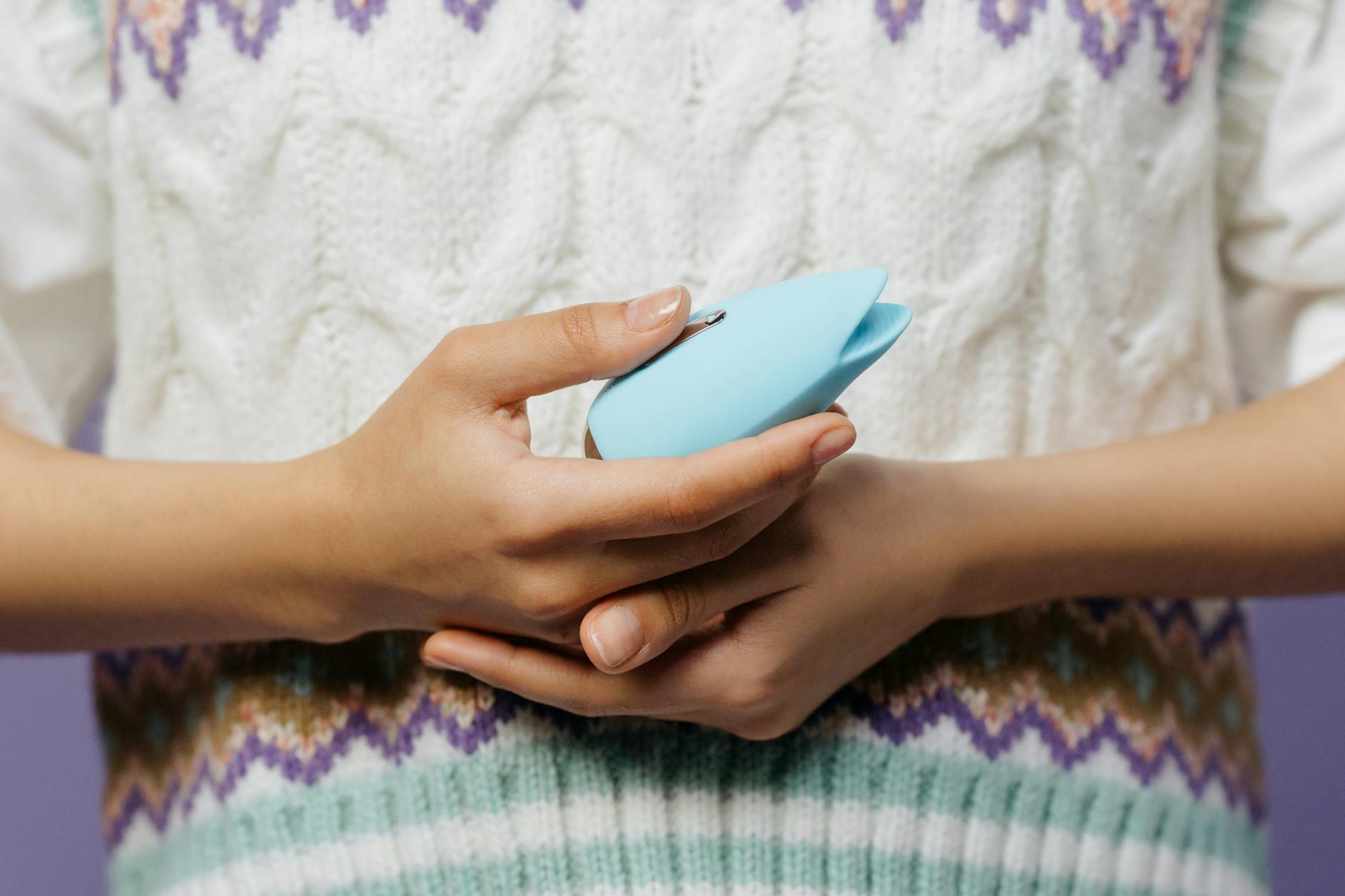
Photo by cottonbro studio on Pexels
The practical path forward: solo first, then partnership
Here's how I walk couples through this.
Week 1-2: Rediscover sensation alone. Use your lemon vibrator without any expectation of an outcome. This isn't about orgasm. Set 15 minutes, start at pattern 1 or 2, and notice what you feel. Different settings will feel different. Some will feel obvious. Some will surprise you. You're building a map of your own pleasure after years of routine.
Week 3-4: Add intention. Once you've spent time exploring, start using the lem vibrator on a regular schedule. Maybe twice a week. Your brain starts to anticipate it. You start to crave the sensation. This is your nervous system coming back online.
Week 5+: Bring your partner in, if you want to. Here's where things shift. You might use your lemon clitoral vibrator together, you might use it during partnered sex, or you might keep it solo. The point isn't to force togetherness. It's to have desire flowing in both directions again. When you're aroused solo, you bring that energy to your relationship. That changes everything.
Some partners get curious and want to watch or help. Some prefer that you explore separately. Both are fine. The goal isn't synchronized desire. It's reconnection.
What to actually expect (the reality check)
Using a lemon sucker or other clitoral vibrator won't fix a relationship with deeper problems. If you're dealing with resentment, control, infidelity, or a fundamental mismatch, a vibrator is a tool, not a cure. Sometimes what looks like low libido is actually your body protecting you from a dynamic that doesn't feel safe. Pay attention to that.
But if your relationship is solid and desire just went quiet, this matters. Your body isn't betraying you. It's answering the environment it's been in. A lemon vibrator changes that environment.
Expect this to take time. Not weeks. Months. Rebuilding sensation after years of diminished desire isn't instant. But it's also not hopeless.
The settings that work best
Start low. The temptation with lemon vibrators is to jump to pattern 4 or 5 because you're used to routine touch. That can actually backfire. Your sensitivity has probably shifted. What feels good now might not be what felt good five years ago.
I typically recommend starting with patterns 1-3 and staying there for at least two weeks before exploring higher intensity. Pay attention to rhythm, not just strength. Some patterns feel meditative. Some feel driving. You might prefer the same pattern every time, or you might like variety. There's no right answer.
Water-based lube isn't mandatory, but it helps, especially if you've been depleted by stress or hormonal shifts. It changes the feel entirely. You'll know if you want it.
When to involve your partner
The honest answer: when you're ready. Not when you think you should be. Not when you're hoping it will magically fix things.
You're ready when you feel desire returning solo. When the lemon clitoral vibrator doesn't feel like another task on your to-do list. When your body starts to light up again. Then, if you want partnership involved, you have something real to bring to the table instead of guilt or obligation.
If your partner asks to get involved before you're ready, that's a conversation. "I'm rebuilding this for me right now, and I'll let you know when I want to share" is a complete sentence.
The stuff nobody talks about but should
After years together, pleasure often comes with weight. Obligation. Guilt about not wanting sex enough. Worry that your partner feels rejected. That noise makes it hard to actually feel anything.
Using a lemon vibrator solo gives you a chance to separate physical sensation from all that emotional baggage. For maybe the first time in years, you're touching yourself without any reason except that it feels good. That's radical. Your nervous system needs that.
Also: some people in long-term relationships find that rebuilding desire actually means wanting different things than they did before. Maybe you want less frequent sex but more intensity when it happens. Maybe you want toys involved. Maybe you want more communication or more novelty. Those conversations are easier to have when you're not also dealing with "why doesn't anyone want sex anymore."
FAQ: Desire Drops and Lemon Vibrators
How long does it take to feel desire returning? Most people notice something shifting within 3-6 weeks of regular use, but it's individual. Some feel it faster. Some take longer. The key is consistency, not intensity. Weekly use with genuine attention works better than sporadic sessions where you're just going through motions.
Can using a lemon vibrator solo actually affect partnered sex? Completely. When you're aroused solo, your system learns what arousal feels like again. Your body produces more natural lubrication. Your nervous system wakes up. You bring that energy to your relationship, even if you never mention the vibrator to your partner.
What if my partner feels threatened by me using a lemon clitoral vibrator? That's real, and it comes up. Sometimes it's about insecurity. Sometimes it's about past messaging that vibrators aren't needed if the partner is "enough." Sometimes it's about control. A good conversation separates the tool from the relationship. "This is about me reconnecting with my own pleasure, not about you failing" is different from "I'm using this because you're not doing it right." If your partner refuses to budge, that's actually important information about your relationship.
Is it normal to prefer the lemon vibrator to partnered sex? Yes. It can happen. A lemon sexual toy gives you complete control, no performance pressure, and exactly the stimulation you want. That's powerful. Worth asking: does partnered sex feel pressured or obligatory right now? If yes, rebuilding solo pleasure helps. But you might also need to address what's making partnered sex not feel good.
If I use a lemon sucker regularly, will I lose sensitivity or become dependent? No. That's a myth. Your body doesn't become "numb" to vibrators the way it does to routine partner touch. If anything, regular use keeps your nervous system responsive. You won't need it forever, but it works as a bridge tool.
My partner and I have different comfort levels with toys. Where do we start? With curiosity instead of ultimatum. Maybe your partner watches you use your lemon vibrator without joining. Maybe they try it alone first and come back to you. Maybe it stays solo. The conversation isn't "we need to do this together." It's "I'm rebuilding my pleasure. I'm open to your involvement if and when you want that." Frame it as your journey, not his or hers, and let them come in if they choose.
The part that matters most
Years into a relationship, desire doesn't return because you try harder or feel more guilty. It returns when you give your nervous system permission to wake up. A lemon clitoral vibrator is just the tool. The real shift is deciding that your pleasure matters enough to spend time on it, even when the relationship is stable and your partner isn't the problem.
That choice, more than anything else, is what rebuilds desire. And once it starts moving again, everything changes.
Ready to explore what works for your body? Start small, stay consistent, and give yourself time. If you have questions about which lemon vibrator might fit your needs, reach out and let's talk through it.