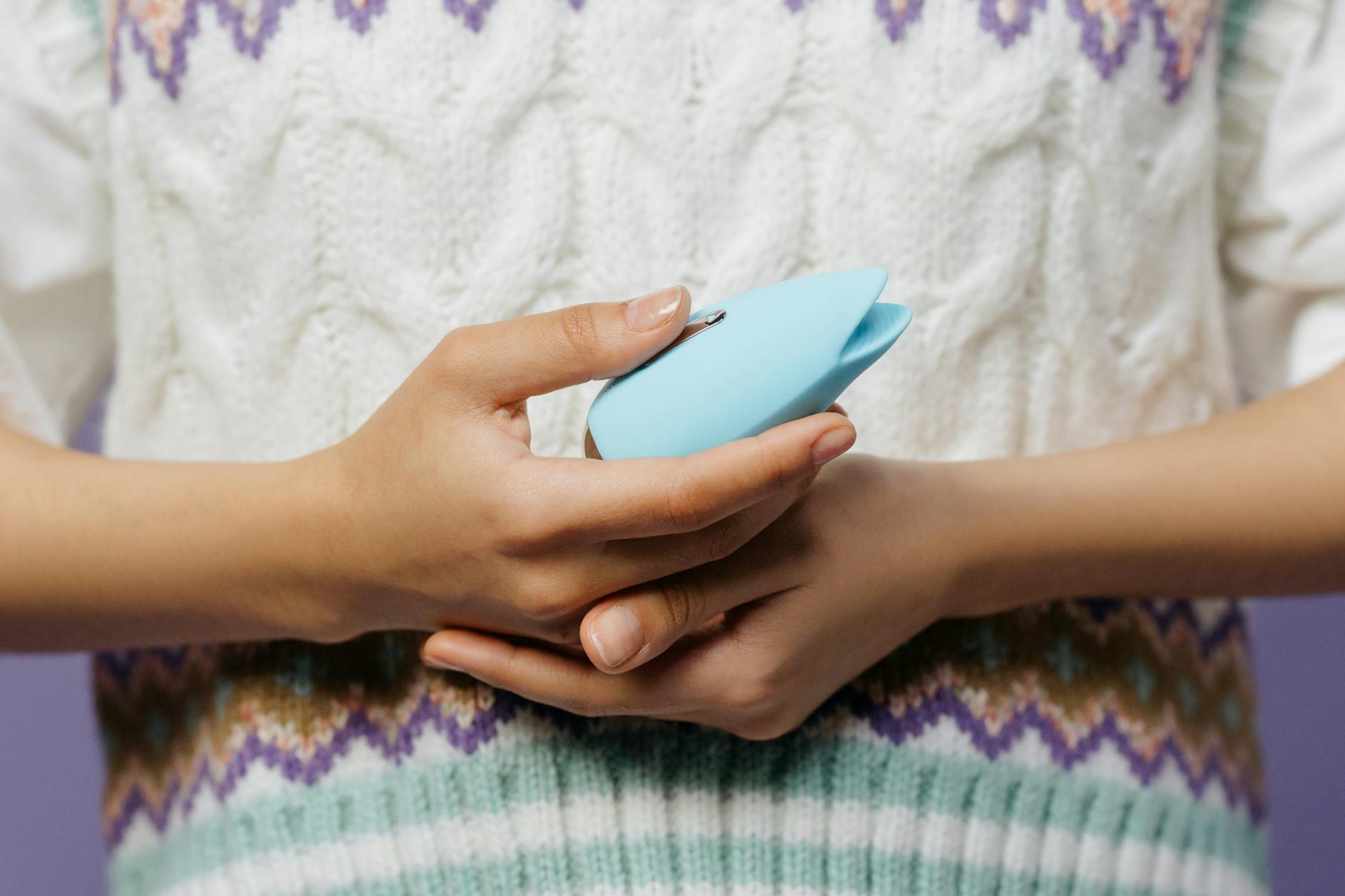
The real problem with perimenopause and pleasure
Honestly, perimenopause is chaos dressed up as biology. Your estrogen doesn't gradually decline like menopause does. Instead, it swings wildly. One week you're aroused easily. The next week, nothing registers. Your clitoris feels hypersensitive on Tuesday and completely numb by Friday. Your partner (or your own hand) might have worked perfectly last month and now feels irritating.
Most people assume something's wrong with them. It's not. Your hormone levels are literally fluctuating week to week, sometimes day to day. That's perimenopause.
Here's what makes this phase different from menopause: you still have enough estrogen circulating that you should be able to feel pleasure. You're not dealing with consistent low estrogen. You're dealing with unpredictability. And that unpredictability is exactly where lemon vibrators, especially the suction-based lemon clitoral vibrators like the Lem, become game-changers.
Why estrogen swings affect arousal timing so drastically
Estrogen does three things that directly impact your sexual response. First, it controls blood flow to your genitals. Higher estrogen = better circulation = faster arousal. Lower estrogen in that same week = sluggish blood flow = delayed response. Second, estrogen maintains the thickness and moisture of vaginal tissue. When it drops, even temporarily, that tissue becomes thinner. Third, estrogen influences how your nervous system registers touch. More estrogen means your nerves fire more easily. Less means the same touch feels duller.
During perimenopause, you're not stuck in one state. You're moving between states constantly. This is why a vibrator designed for variable sensation becomes essential. Traditional vibrators require direct pressure and sustained friction. If your tissue thickness is changing week to week, that friction becomes unpredictable. Sometimes it feels amazing. Sometimes it feels uncomfortable or numb.
Lemon vibrators work differently. They use suction and pulsing, which stimulates through pressure changes rather than direct mechanical rubbing. That matters enormously when your baseline sensitivity is shifting.
The four-week map: what changes and when
If you're still cycling (even irregularly), your body usually follows a loose hormone pattern, even if the timing is erratic. Understanding this helps you anticipate changes.
Week 1 (post-period, if you're still bleeding): Estrogen is climbing. This is often your best window for arousal. Your clitoris might feel most responsive. Your natural lubrication is usually better. If you're going to explore pleasure, this week is often easiest. Use the lower settings on your lemon vibrator (settings 1-3) to dial in exactly what feels good, since sensation is already heightened.
Week 2 (ovulation week, approximately): Estrogen peaks. This is your second-best window. You might notice increased desire, faster arousal, and more intense sensation. Some people report their strongest orgasms during this phase. This is when a lemon clitoral vibrator set to medium intensity (4-5) can feel particularly satisfying.
Week 3 (luteal phase begins): Progesterone rises, estrogen dips slightly. This is where things get weird. Some people feel great. Others suddenly feel numb or disconnected. If numbness hits this week, don't panic. Your body is normal. Switch to the higher suction settings (6-8) on your lemon vibrator. The increased intensity compensates for reduced sensitivity. You might also need longer warm-up time.
Week 4 (late luteal): Everything bottoms out. Estrogen and progesterone both drop before menstruation. This is often when sensation feels most muted. Your clitoris might feel less responsive. You might feel disconnected from pleasure entirely. This is not a sign to stop trying. It's a sign to get extra support. Use a water-based lubricant generously, spend 20-30 minutes on warm-up (seriously, don't skip this), and reach for the sustained, moderate-to-high settings on your lemon sucker vibrator. The combination of suction and time usually works when direct stimulation feels pointless.
Adjusting your lemon vibrator settings through the hormonal cycle
Here's the practical move: track your cycle loosely (even just mental notes) and learn which settings work during which phase. You're not being fussy. You're being responsive to your body's actual state.
During high-estrogen weeks (weeks 1-2), many people find they prefer lower intensity. Start at setting 1-2. The sensation is enough because your nerves are already primed. Going too high can actually feel overwhelming or uncomfortable.
During low-estrogen weeks (weeks 3-4), you'll probably need higher intensity. The suction is what matters here. The deeper, longer pulses of a lemon vibrator at settings 6-8 can reach nerves that light touch misses entirely.
One thing I tell clients: don't assume one setting will work all month. Your body changes. Your vibrator settings should change too. This isn't failure. It's adaptation.
Also, don't underestimate warm-up time. During low-estrogen weeks, your body needs 20-30 minutes of foreplay or teasing before direct clitoral stimulation. This includes using your lemon vibrator on lower settings first, then building up. Rushing straight to high intensity feels harsh when sensation is already muted.
Lubrication becomes non-negotiable
When estrogen fluctuates, your natural lubrication does too. Some days you're fine without lube. Other weeks, the same activity feels dry and uncomfortable. This isn't about being broken. It's about hormones.
During perimenopause, I recommend water-based lube year-round. Use it generously, especially in low-estrogen weeks. Reapply mid-session if needed. This isn't just for penetration. A thin layer around your vulva and clitoris helps a lemon clitoral vibrator glide smoothly without the friction feeling irritating.
Silicone lube feels richer and lasts longer, but it damages silicone toys. Since most lemon vibrators are silicone, stick with water-based. Your toy (and your body) will thank you.
When numbness hits mid-cycle
Perimenopause can trigger sudden numbness even during weeks when you'd expect better sensation. This catches people off guard. You're aroused, you're ready, and suddenly your clitoris feels like it's behind glass.
When this happens, don't push through with higher intensity immediately. First, pause. Check in with your body. Are you actually present, or are you in your head? Anxiety and distraction suppress sensation more than hormones do. Take five minutes. Breathe. Reconnect.
If numbness persists, reach for your lemon vibrator and use a setting that's slightly higher than normal for that week. The suction mechanism of a lemon clitoral vibrator is designed to work even when direct sensation is muted. The pressure change stimulates deeper nerve pathways.
You might also want to try external stimulation first (your whole vulva, not just the clitoris) for 10-15 minutes before direct clitoral contact. This primes your nervous system.
The partner conversation that prevents resentment
If you're with a partner, they need context. Perimenopause affects how you want to be touched, how long you need, and what intensity works. This isn't about them. It's about biology shifting under both of your feet.
Honestly, the best move is to use a lemon vibrator solo first. Learn your own map. Understand what settings work during which weeks. Then, when you're with a partner, you can actually direct them with specificity. "I need 25 minutes warm-up this week" or "Start at setting 3, not setting 6" becomes actionable guidance instead of vague frustration.
Partners often feel helpless during perimenopause because the rules keep changing. When you bring a lemon clitoral vibrator into partnered sex, it removes some of that pressure. It's not about replacing them. It's about a tool that adapts as easily as your body does.
FAQ: Perimenopause, Hormones, and Lemon Vibrators
How do I know if numbness is hormonal or something else?
Hormonal numbness is cyclical. It gets worse during low-estrogen phases and better during high-estrogen phases. It's not constant. If you're numb all the time, every week, that's worth discussing with a doctor. It could be medication, thyroid issues, or other factors. But if it follows a loose monthly pattern, perimenopause is the likely culprit. Lemon vibrators work brilliantly for cyclical numbness because you can adjust settings to match your cycle.
Can I use the same lemon vibrator settings the whole month?
Technically yes, but you're likely leaving pleasure on the table. If you use settings 5-6 all month, you'll feel overstimulated during high-estrogen weeks and under-stimulated during low-estrogen weeks. The beauty of a lemon clitoral vibrator is that it has eight settings. Use them. Your body changes month to month. Your tool should respond to that.
Is perimenopause arousal supposed to feel this unpredictable?
Completely normal. Perimenopause is the most hormonally chaotic phase of life. Your estrogen isn't following any schedule. Some cycles are 21 days. Some are 40. Your arousal follows that same unpredictability. The good news is that unpredictability is temporary. Once you're fully into menopause, the chaos stops and you settle into a new baseline. Until then, tools like lemon vibrators that adapt to change are genuinely helpful.
Should I try hormone therapy for better arousal?
That's a conversation with a doctor, not me. Some people find hormone therapy stabilizes arousal during perimenopause. Others don't need it or don't want it. What I can tell you is that a lemon vibrator works regardless. It adapts to your hormones without requiring medical intervention. Use it as your baseline tool first. If you want to explore hormone options, you can always do both.
Does lubrication affect how well a lemon vibrator works?
Yes. Water-based lube actually enhances the suction sensation of a lemon clitoral vibrator. It creates a better seal between the toy and your skin. Without lube, you might get less suction intensity. During low-estrogen weeks, generous lube + your lemon vibrator is often more effective than high intensity without lube.
How long does perimenopause last?
Typically 4-10 years. Average is about 5 years. This is why learning to work with tools that adapt to hormonal changes matters. You're going to be here a while. A lemon vibrator, with its adjustable settings and suction mechanism, is exactly the kind of tool that pays off over that time span.
The bottom line
Perimenopause is not a problem to fix. It's a phase to navigate. Your body is changing, and that's uncomfortable sometimes. But uncomfortability is not the same as dysfunction.
A lemon clitoral vibrator is built for exactly this moment. Eight settings means you're not locked into one intensity. Suction-based stimulation means you reach sensation even when direct touch falls flat. Your pleasure doesn't have to pause for perimenopause.
Learn your cycle. Track what settings work when. Use lube generously. Give yourself time. And trust that the unpredictability you're experiencing right now is temporary. Your body knows what it's doing. Sometimes it just needs the right tool and the right information.
If perimenopause has completely derailed your pleasure or you're struggling to reconnect with yourself, that's also worth exploring with a therapist or counselor. Pleasure is part of your health. You deserve support finding your way back to it. Reach out to our team if you want to talk through what might work best for your specific situation.