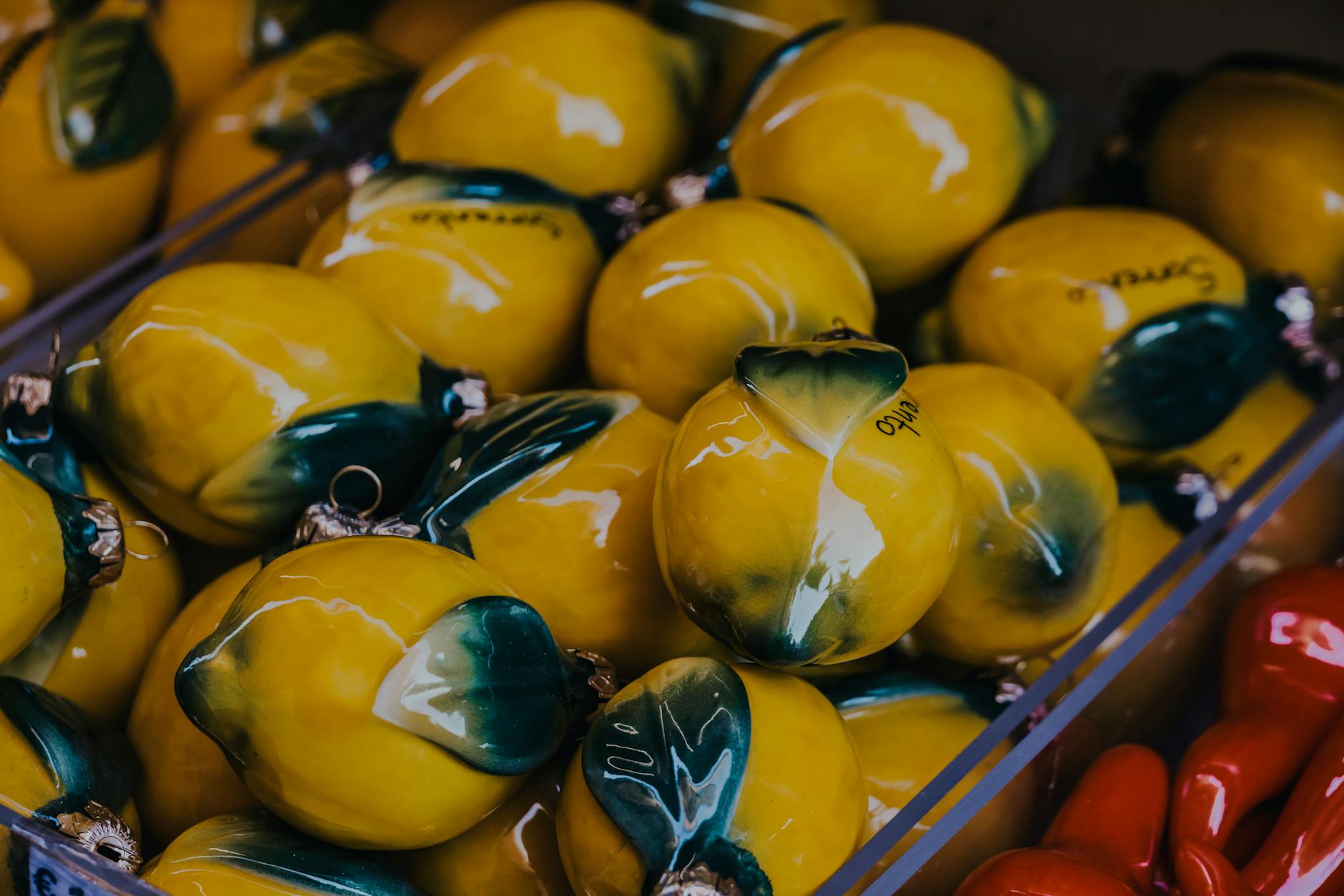
Let's start with what nobody tells you
Hormones don't just control whether you want sex. They control when you can actually feel it, how quickly your body wakes up, and how intense the sensations get. This timing shift is one of the most common complaints I hear from people tracking their pleasure, and it's almost always met with confusion. "Why am I not as responsive right after my period?" "Why does arousal take so much longer mid-cycle than it used to?" "Why does touch feel numb one week and electric the next?"
These aren't signs of dysfunction. They're signs of hormones doing their actual job. Understanding the pattern is the difference between feeling frustrated with your body and working in harmony with it.
The hormone timeline and what it does to arousal
Your cycle creates three major windows, and each one changes how your body responds to pleasure.
In the follicular phase (days 1-14 of a typical cycle), estrogen is rising. This is when blood flow increases to the genitals, tissues become more sensitive, and arousal builds quickly. A lemon clitoral vibrator will feel more intense during this window. Your arousal ramps up faster, and orgasms often come more easily. This is not the time to judge yourself for needing less warm-up. Your body is literally more responsive.
Ovulation (around day 14) is the peak. Testosterone surges alongside estrogen, and desire skyrockets. If you've ever noticed a specific day where you felt more turned on than usual, that was likely ovulation. Some people find that a lemon sucker feels almost too strong during this 24-48 hour window.
The luteal phase (days 15-28) is where everything shifts. Progesterone rises while estrogen dips. Blood flow to the genitals decreases. Sensitivity goes down. Arousal takes longer to build. This is not your imagination, and it's not a sign that your desire is broken. It's biochemistry. If you usually feel responsive with moderate settings on a lem vibrator, you might need to start at a higher setting during this phase.
Why arousal timing gets longer
Three things happen physiologically during the luteal phase.
First, vaginal lubrication decreases because it's estrogen-dependent. Without the same level of natural lubrication, the tissues need more time to warm up. This isn't dryness that requires emergency intervention. It's a natural shift. Water-based lubricant during this phase isn't a problem. It's a tool.
Second, the clitoris becomes slightly less engorged. The blood vessels that plump it up during high-estrogen phases are less active. This means initial stimulation feels less intense, so your brain takes longer to register arousal. You're not numb. You just need to build momentum differently.
Third, progesterone is a mild downer. It's not depression. It's a slight neurological shift that makes intense sensation feel more muted. Combined with the physical changes, this means your usual pattern might take 15-20 minutes instead of 5.
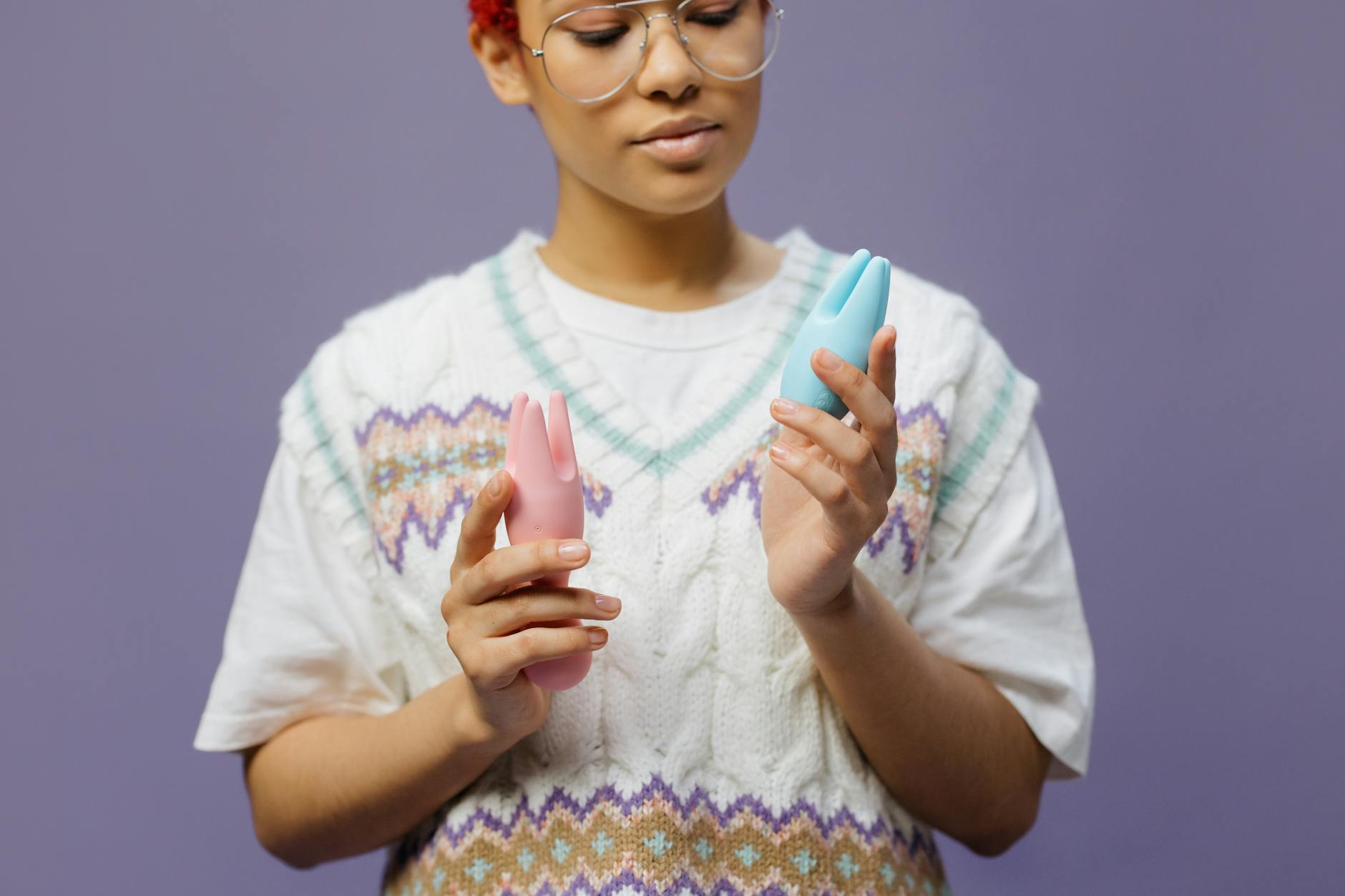
Photo by cottonbro studio on Pexels
How to actually use a lemon vibrator through the cycle
Mapping your arousal to your cycle means treating the follicular and luteal phases like different devices entirely.
During the follicular phase and ovulation, start with your usual pattern. If you normally begin with pattern 1 or 2 on a lem vibrator, that timing still works. You might find you reach orgasm faster than usual. That's the hormones working. Lean into it.
During the luteal phase, reset your expectations. Instead of starting where you'd normally begin, go lower. If your default is pattern 2, try pattern 1 for the first few minutes. Add lubrication even if you don't usually need it. Give yourself permission for the warm-up to take twice as long. This isn't laziness or a sign your body is failing. It's you adapting to actual physiological change.
The lemon sucker design is particularly helpful during low-estrogen phases because the sensation is concentrated and doesn't require the same level of tissue engorgement that direct vibration does. If you find penetrative vibration feels less satisfying mid-luteal, switching to air-pulse stimulation can feel revelatory.
A practical pattern: During follicular phases, use your lemon clitoral vibrator as normal. During luteal phases, start 5-10 minutes earlier in your solo session, use more lubricant, and don't be surprised if you need a higher pattern to feel the same sensation you get on lower settings the week before.
The mental side matters as much as the physical side
Here's what trips people up. You feel responsive one week, then feel "broken" the next week because you're not. You haven't actually changed. Your hormones have. But the gap between those two states can feel like loss if you don't expect it.
The trick is separating "my arousal is working differently" from "something is wrong with me." They sound similar until you live them. Once you track it and see the pattern, everything shifts. You stop trying to force fast arousal when your body is naturally slower. You stop judging the slower phase as a failure of desire.
For people with partners, this reframing is crucial. If you've been blaming yourself for changes in arousal timing, or if your partner has been interpreting slower arousal as lower desire, a simple conversation grounded in this information can dismantle months of miscommunication. "My arousal works on a cycle. This week I need more time. That's not less desire. It's different wiring."
When cycle tracking helps most
If you menstruate and you've never tracked how your arousal changes through the cycle, you have a lot of free information waiting. Start simple. Mark the first day of your period. Then mark the days when you felt most responsive, and the days when arousal took longer than usual. Do this for two or three cycles. Patterns will emerge.
You don't need an app for this. A calendar and two colors works. Or use your phone notes with dates. The point is visibility. Once you see the pattern, you can plan around it instead of being surprised by it.
For people using hormonal birth control, this becomes more complicated because synthetic hormones flatten the cycle. But they don't eliminate variation entirely. You might notice subtler shifts, often around placebo week. Track those too. The same principles apply to whatever rhythm your body actually has, even if it's not a textbook 28-day cycle.
For people in perimenopause or menopause, cycle tracking gets replaced with something closer to "when do I feel most responsive." Some people find that post-menopausal arousal is slower overall but more stable. You trade the dramatic highs and lows for a steadier baseline. A lemon clitoral vibrator works beautifully in that context because you can dial in what works and stick with it.
The role of a lemon vibrator in working with your cycle
The beauty of tools like the lem vibrator is their range. You can start low and build. You can change patterns without stopping. You can adapt in real time as your arousal builds. This flexibility is exactly what you need when your body is responding on a cycle.
Whether you're dealing with a monthly menstrual cycle, hormonal birth control timing, or perimenopausal unpredictability, a lemon clitoral vibrator gives you precise control. That precision means you're not forcing yourself to fit a single arousal template. You're matching the tool to what your body actually needs that day.
This is the opposite of pushing through numbness or fighting against sensitivity changes. It's using information and the right tool to meet your body where it actually is.
FAQ
Why does my arousal feel different at different times of the month?
Hormones shift throughout your cycle, directly affecting blood flow to the genitals, natural lubrication, and how your nervous system registers sensation. During high-estrogen phases (follicular phase and ovulation), arousal builds faster and tissues are more sensitive. During the luteal phase, progesterone rises, estrogen dips, and arousal takes longer to build. This is completely normal and happens in most people who menstruate.
Can I use a lemon vibrator the same way every day of my cycle?
You technically can, but you might notice it feels wildly different depending on the day. Some days a moderate setting feels perfect. Other days the same setting feels weak or too intense. Rather than fighting these variations, you can adjust your approach. Lower settings and longer warm-up during luteal phases, quicker arousal during follicular phases. The lemon clitoral vibrator's range makes this easy.
Does hormonal birth control change how arousal timing works?
Yes. Hormonal contraception flattens your natural cycle, which means those dramatic arousal shifts might feel more muted or irregular. You might notice subtler timing shifts around placebo week, or you might find your arousal feels more consistent overall. Everyone's different. Track what actually happens with your body rather than assuming a standard cycle applies.
How long should arousal take during my luteal phase?
There's no universal "right" length. Some people find 10 minutes of warm-up is plenty. Others need 20-30. Compare it to your own baseline during high-estrogen phases and give yourself permission for it to take longer. If you're used to 5 minutes during follicular phases, 15-20 minutes during luteal phases is normal and expected.
What if my arousal timing never seems to follow a pattern?
Not everyone has a regular cycle, especially if you're on hormonal contraception, in perimenopause, or dealing with a medical condition affecting hormones. In those cases, shift from tracking a calendar to tracking what you notice in the moment. When do you feel most responsive? When does arousal take longer? Work with your actual body rather than an idealized cycle.
Should I use more lube during my luteal phase?
Yes. Lubrication decreases during this phase because it's estrogen-dependent. Adding water-based lubricant isn't weakness or a sign something's wrong. It's meeting your body's actual needs. Lube during luteal phases often makes the difference between frustration and pleasure.
Does a lemon sucker work differently through the cycle than a standard vibrator?
The sensation is slightly different because air-pulse stimulation concentrates sensation differently than vibration. Some people find that during low-estrogen phases when direct clitoral sensitivity is lower, the targeted pressure of a lemon sucker feels more satisfying than standard vibration. Try both and notice which feels better during which phase of your cycle.
Can I still have good orgasms during my luteal phase?
Completely. Orgasms during the luteal phase often feel different. They might take longer to build, but they can feel just as intense or even more so once they arrive. Different isn't worse. It's just different. Meeting your body where it is with patience and the right tool makes all the difference.
What comes next
The goal isn't to force a single arousal pattern every day. It's to understand that your body changes through the month and to use that information to make pleasure easier, not harder. Tracking your cycle, adjusting your approach based on which phase you're in, and using tools like a lemon vibrator that give you real flexibility transforms frustration into information.
Your arousal timing isn't broken when it changes. It's working exactly as it's supposed to. Once you see that pattern and stop fighting it, everything else becomes simpler. If you want to explore this further or discuss how hormonal changes are affecting your relationship or solo pleasure, reach out to our team. We're here to help make sense of the shifts.