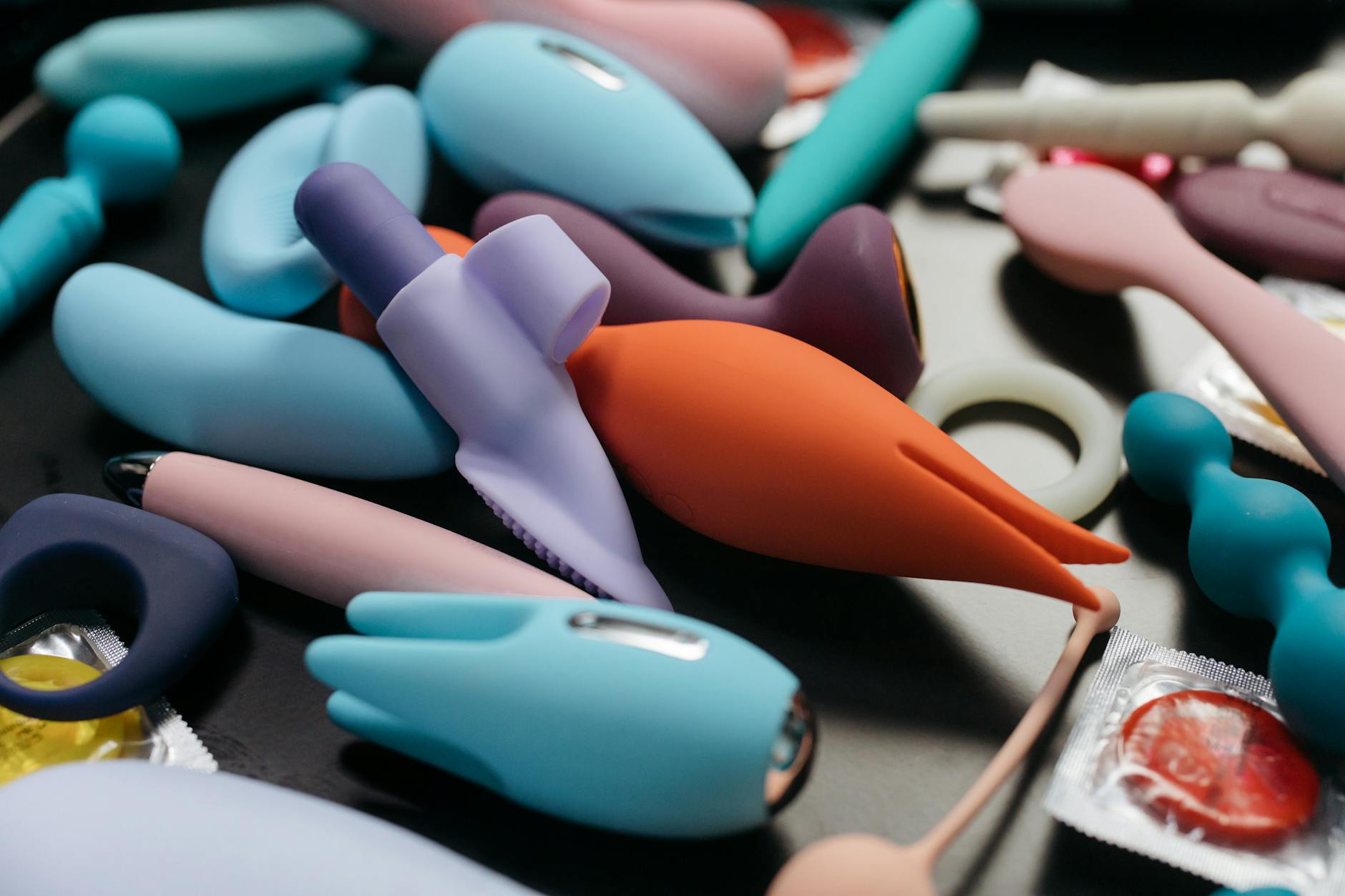
Here's what nobody tells you about orgasm intensity
Orgasms don't disappear with age or life stress. They flatten. The peak feels softer, the waves feel shorter, the afterglow fades faster. You're still having orgasms—technically—but they feel half the volume of what you used to experience. If that's happening to you, you're not broken. You're experiencing one of the most common, least discussed shifts in sexual response.
I've worked with hundreds of people navigating this exact frustration. The relief comes when they realize it's not permanent, and it's not about losing desire or capacity. It's about your nervous system changing how it processes pleasure—and that's actually fixable.
What actually changes in how your body orgasms
Three major culprits shift orgasm intensity, and understanding them is the first step to fixing it.
Hormonal changes. Estrogen, testosterone, and cortisol all directly affect how intensely your nervous system fires during climax. If you're in perimenopause, dealing with hormonal birth control adjustments, or riding chronic stress, these shifts are real. Stress hormones literally crowd out the neurochemical space for pleasure. Your body is choosing survival over sensation.
Pelvic floor tension. Most people think a tight pelvic floor feels stronger. Actually, chronic tension reduces sensation and flattens orgasm intensity. It's like trying to feel texture through a clenched fist. The muscles can't fully contract and release in the rhythmic wave that creates that building, crescendo feeling.
Nerve responsiveness. The pudendal nerve and clitoral nerves don't age themselves, but they do respond to less frequent stimulation with reduced sensitivity. If you've gone months or years without vibrators or regular partnered sex, your nerve pathways literally need retraining to fire at full voltage.
Here's what's reassuring. None of these are permanent. Your body can rebuild sensation intensity through the right combination of techniques, tools, and sometimes timing.
Why intensity drops when stress climbs
Let's talk about the stress piece because it matters more than most people realize.
When you're chronically stressed, your nervous system camps out in sympathetic activation. That's your fight-or-flight mode. Orgasm requires you to fully shift into parasympathetic mode—rest and recovery—and that shift is what creates the intensity. If you're always halfway in sympathetic mode, your body never fully relaxes enough to experience a complete orgasmic response.
This is why people often report that orgasms feel more intense on vacation, or after a really good night's sleep, or during a period when work is calm. Your nervous system actually can feel more deeply when it's not braced for threat.
That doesn't mean you need to quit your job. But it does mean that rebuilding orgasm intensity often requires a dual approach: addressing the stress through whatever tools work for you (therapy, exercise, meditation, boundary-setting) and using the right physical stimulation to retrain your nerve pathways.
How lemon vibrators help restore sensation specifically
Here's where a lemon clitoral vibrator comes in. And this isn't marketing speak—it's neurology.
The suction-based technology in a lemon vibrator works differently than traditional vibrators. Instead of repetitive buzzing, suction creates a consistent, building pressure that mimics the feeling of oral sex. For people experiencing flattened orgasm intensity, suction is often more effective because it:
Activates deeper nerve clusters. The pressure activates not just surface nerves, but the deeper clitoral body and erectile tissue. Traditional vibrators often stimulate just the surface, which is why some people with reduced sensitivity find them less effective.
Creates a more complete muscle engagement. The suction sensation triggers fuller pelvic floor engagement, which means you get those deeper, more complete contractions during orgasm. Intensity comes back.
Requires less sensation to register. If your nerve responsiveness has dulled, suction technology gets through that sensory fog more reliably than a weaker vibration would.
Many of my clients report that when they switched from a basic vibrator to a lemon clitoral vibrator, orgasm intensity came back within a few weeks. Not because the device is magic, but because it's stimulating the neural pathways that traditional tools were missing.
The warm-up protocol that changes everything
Intensity doesn't come back overnight. You're literally retraining your nervous system, and that takes intention.
Build a longer warm-up window. Plan for 15-25 minutes of foreplay or solo exploration before you use the lemon vibrator. This isn't wasted time—it's essential. You're giving your nervous system time to actually shift into parasympathetic mode. Rushing into a vibrator when you're still half-stressed defeats the whole point.
Start on the lowest setting. Many people jump straight to high intensity because they assume weaker sensation means they need more power. Actually, the opposite works better. Start low. Let your body wake up. Then gradually increase. You'll feel more sensation this way because you're building arousal gradually instead of shocking your system.
Use the pattern that builds, not repeats. Some lemon vibrators have a pattern feature that gradually increases intensity. Use that. It mirrors natural arousal—slow climb, building peak. That pattern retrains your nervous system to experience intensity in the way it used to.
Add lube, even if you think you don't need it. Thinner tissue (which happens with age, hormonal shifts, or stress) benefits from additional glide. Water-based lubricant reduces the micro-friction that can dull sensation and makes the suction feel richer.
Addressing the psychological layer
Here's something people miss: if you've been frustrated about flat orgasms for months, you develop anticipatory anxiety about it. You go into a sexual experience already expecting disappointment. That expectation literally suppresses intensity—your brain is braced against feeling too much because it's trained itself to expect too little.
Breaking that pattern takes a reset. Some people find it helpful to take a week or two off from partnered sex and focus entirely on solo exploration with the right tool. No pressure to perform or climax a certain way. Just curiosity. That removes the performance anxiety and lets your body remember what intensity feels like.
If you're partnered, it helps to have a conversation about this being a rebuild project, not a failure. Many couples benefit from shifting focus from penetration or conventional patterns to exploring exactly what brings that intensity back. Sometimes that's the lemon vibrator solo. Sometimes it's incorporated with a partner. The point is removing shame from the exploration.
When you should see a specialist
If orgasm intensity has been completely absent for more than six months, or if it's accompanied by pain, numbness, or depression, check in with a gynecologist or therapist. Sometimes reduced intensity is a sign of a medication side effect, hormonal imbalance, or pelvic floor dysfunction that benefits from professional input.
For hormonal issues, topical estrogen or testosterone therapy can genuinely help. For pelvic floor tension, physical therapy works. For medication side effects, sometimes switching to a different drug does the trick. There's no shame in getting support.
The reality of rebuilding pleasure
Orgasm intensity doesn't come roaring back overnight. It rebuilds gradually over weeks as you consistently use the right tool, manage stress, and retrain your nervous system. Most people report noticing a difference within 2-3 weeks of regular practice.
The reassuring part. This isn't about your body failing you. It's about understanding how your body actually works and giving it what it needs. Once you crack that code, intensity comes back. And often, the orgasms people experience in their 40s, 50s, and beyond are richer, more embodied, and last longer than anything they felt in their 20s. You're not going backward. You're just recalibrating.
FAQ: Common questions about rebuilding orgasm intensity
What's the difference between reduced intensity and anorgasmia?
Anorgasmia means you can't orgasm at all, or it takes extreme effort. Reduced intensity means you're having orgasms, but they feel muted—less pleasure, shorter duration, softer peak. They're different problems with different solutions. If you're not having orgasms at all, that's a conversation for a therapist or doctor. If intensity is the issue, the rebuild approach here applies.
Can medication actually cause flattened orgasms?
Yes. Antidepressants, blood pressure meds, antihistamines, and hormonal birth control all impact orgasm intensity for some people. If you suspect your medication is the culprit, don't stop taking it—talk to your prescriber about timing, dosage, or alternatives. Sometimes switching to a different med class helps. Sometimes using a more powerful stimulation tool (like a lemon clitoral vibrator) compensates.
How long before I notice intensity coming back?
Most people report noticing a shift within 2-3 weeks of consistent use. Full rebuilding—where intensity feels like it did years ago—can take 6-8 weeks. The timeline depends on how long intensity has been reduced and how much stress is in your life. Someone in perimenopause rebuilding while also managing work stress might take longer than someone whose intensity just softly declined.
Is there a difference between orgasm intensity and orgasm frequency?
Completely different. You can have frequent orgasms that feel weak, or rare orgasms that feel intense. This article is about intensity specifically. If you're struggling with frequency, check out how pelvic floor tension affects sensation or explore how arousal changes over your cycle.
Does partner involvement help or hurt when rebuilding intensity?
Both. Solo exploration helps you figure out exactly what works for your body without performance pressure. Partner involvement helps because intimacy itself boosts arousal and intensity. The sweet spot for most people is starting solo to establish what intensity feels like, then gradually incorporating a partner once you've had a few strong experiences.
Will a lemon vibrator work if I've never used a vibrator before?
Yes. In fact, starting with a lemon clitoral vibrator is often better than starting with a basic vibrator if intensity is your goal. The suction technology is more intuitive for many bodies—it feels less like a foreign buzzing sensation and more like a natural extension of partnered pleasure. Most people find the learning curve gentle.
The real takeaway
Orgasm intensity isn't something you lose permanently when your body changes. It's something you temporarily need to recalibrate for. The right tool, the right timing, the right nervous system state—all of that brings intensity back. Your body hasn't forgotten how to feel. It just needs the right conditions to remember.
If you're ready to explore this, start with a longer warm-up than you think you need, begin on the lowest setting, and be patient with the rebuild. Your pleasure matters enough to invest the time.
Have questions about how to get started? Reach out—we're here to help you find what works for your body.