The disconnect nobody talks about
Relationship shifts do weird things to pleasure. A move in together. A breakup and new partner. A return to dating after divorce. The birth of a child. Any of these can create a gap between your body's old habits and what's actually happening now. You might feel like you're touching yourself but not really there, or like pleasure has become something you schedule instead of something that happens.
Honestly, this is one of the most common things I work through with clients in couples therapy and individual coaching. And it's fixable. But first you have to understand what's actually going on.
What happens physically when your relationship structure changes
Your nervous system is wired to your relationship context. When that changes, your body has to recalibrate. This isn't psychological weakness or relationship failure. It's neurology.
If you've been in a long relationship, your arousal patterns are built around a specific person's touch, timing, and rhythm. When that person changes or the dynamic shifts, your body doesn't just automatically switch gears. There's a refractory period. Sometimes it's weeks. Sometimes months.
If you've moved in with someone, the novelty that initially drove attraction wears off quickly. Neuroscience calls this habituation. Your brain stops treating their presence as novel stimulation. That's not a sign the relationship is failing. It's a sign your nervous system has adjusted.
If you've returned to dating after a long-term relationship ended, you're running new software on old hardware. Your body remembers the other person. Phantom muscle memory is real, and it interferes with presence with someone new.
Why a lemon clitoral vibrator helps with reconnection
A lemon vibrator works on this exact problem because it operates independently of your partner or your relationship status. When you use a device like the Lem, you're creating sensation that's entirely under your control. No one else's rhythm. No one else's timing. No expectations except the ones you set.
This matters for two reasons. First, it teaches your nervous system that pleasure doesn't require the old context. You're training your body to feel good in a new situation. Second, it gives you a baseline. When you know what pleasure feels like solo, you can compare it to partnered pleasure and figure out what's actually missing.
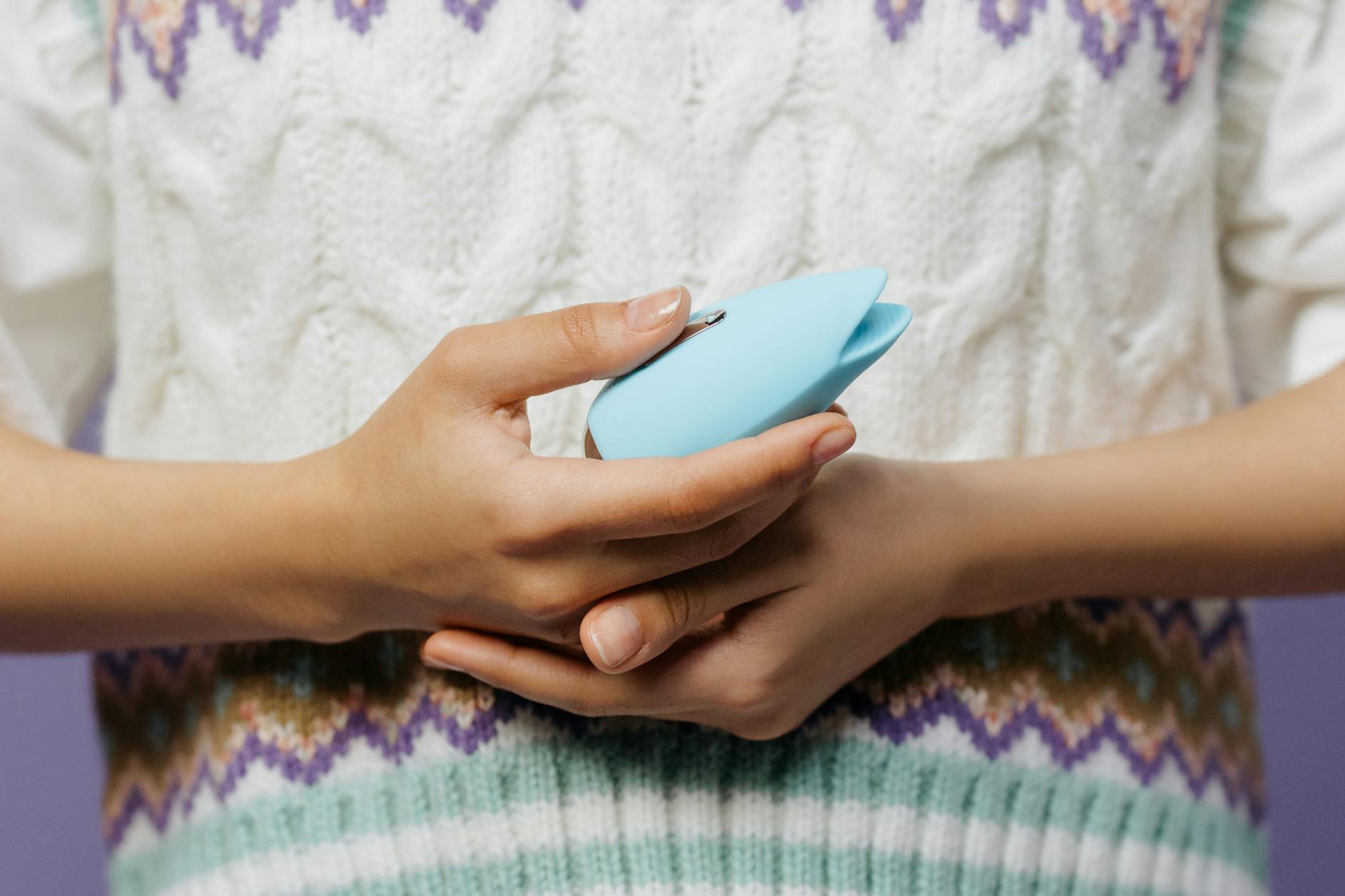
Photo by cottonbro studio on Pexels
How to rebuild sensation when everything feels different
Start with no pressure. Not figuratively. Literally. Use the lowest setting on your lemon vibrator and spend 10 minutes just noticing sensation without trying to reach orgasm. This is called sensate focus, and it's the fastest way to rebuild neural connection between your brain and your body.
The goal isn't pleasure yet. It's presence. Can you feel the vibration? Where does it travel? What does it remind you of? If your mind wanders (it will), notice that too. This is the opposite of goal-oriented sex, and it's exactly what your nervous system needs when everything feels disconnected.
Gradually layer in intensity. After three to five sessions of baseline sensate focus, start exploring different patterns on your lemon clitoral vibrator. Don't jump to the highest setting. Work through the middle patterns first. Pay attention to what feels novel versus what feels like old habits creeping back in. If you catch yourself performing pleasure instead of feeling it, pause and reset.
Separate solo pleasure from partnered pleasure. This is crucial. Some people try to jump straight back into partnered sex after a relationship shift, and it almost always fails because they're comparing it to the old dynamic. Give yourself permission to rebuild solo first. Use your lemon vibrator on its own for at least two weeks before integrating it into partnered sex. This creates a new baseline that's uniquely yours.
Notice your body's resistance. Sometimes disconnection shows up as physical numbness, sometimes as anxiety, sometimes as overthinking. If you're using a lemon sucker and feeling nothing, that's information. It might mean you need more time to decompress, or it might mean you need to adjust your environment (lighting, privacy, time of day). It's not a failure. It's feedback.
When to bring a partner into the process
If you're rebuilding pleasure in a new or reconnecting relationship, eventually you'll want to talk about what you're discovering. But timing matters.
Wait until you've had at least three solo sessions with your lemon vibrator before mentioning it to a partner. You want to be grounded in your own sensation before you open that conversation. If you bring it up too early, it often becomes about them. "Does this mean you don't find me attractive?" "Are you comparing me to your ex?" Those are real questions, but they're better answered when you're not in the middle of your own nervous system recalibration.
When you do talk about it, focus on what you're learning about yourself, not what's missing from them. "I've been using a lemon clitoral vibrator to reconnect with my body after the move. It's helping me understand what I actually feel, instead of what I think I should feel." That's a very different conversation than "I haven't felt pleasure in months and I don't know why."
The emotional work that happens alongside the physical
Disconnection from pleasure after a relationship shift usually has an emotional layer too. Sometimes it's grief for the old dynamic. Sometimes it's anxiety about the new one. Sometimes it's resentment or hurt that hasn't been fully processed.
A lemon vibrator can't fix that emotional stuff, but it can help you notice it. You might start using your Lem and discover you feel sad instead of turned on. That's not a dead end. That's you finally having enough space to feel something that's been underneath the disconnection the whole time.
If that happens, let yourself feel it. Sometimes the path back to pleasure runs through other emotions first. This is particularly true after breakups, major relationship transitions, or if trust has been broken. The body knows. Let it tell you what it needs.
Practical tips for using your lemon vibrator through the transition
Set a time. Pleasure won't rebuild on accident. Block 15 minutes when you have privacy and won't be interrupted. Phone off. Bathroom locked. No background tasks running in your head.
Use lubricant. Even if you think you don't need it, water-based lube reduces friction and makes sensation feel clearer. It also signals to your nervous system that this is intentional self-care, not just mechanical stimulation.
Track what works. After each session, notice: What setting felt best? What time of day works? What was I thinking about? What music or silence helped? You're building a personal user manual for your own pleasure.
Don't judge the results. Some sessions will feel amazing. Some will feel like nothing. Both are normal. Your nervous system is retraining itself. Progress isn't linear.
If three weeks of regular sessions with your lemon clitoral vibrator isn't moving the needle on sensation, talk to a therapist or your doctor. Sometimes disconnection signals something deeper like depression, medication side effects, or unprocessed trauma. That's not a failure of the vibrator or your approach. It's just useful information.
When pleasure starts coming back
You'll know it's working when you stop thinking so hard about it. Presence returns before intensity. You'll find yourself genuinely surprised by sensation instead of hoping for it.
Some people notice that pleasure comes back differently than it was before. That's completely normal and often better. You're not trying to recreate the old dynamic. You're building something new that fits who you actually are now.
If you're in a partnership and ready to reintegrate, bring your lemon vibrator into that space intentionally. Some couples find that solo vibrator use becomes part of their rhythm together. Others integrate it into partnered sex directly. There's no single right way. What matters is that you're both choosing it consciously.
Common questions about reconnection and clitoral vibrators
Can using a lemon vibrator alone interfere with partnered pleasure?
No. Solo vibrator use actually helps partnered pleasure because it teaches your body what works. The more you know about your own sensation, the easier it is to guide a partner or partner toward what feels good. Solo exploration is foundational, not a replacement.
How long does it usually take to feel reconnected after a relationship shift?
That's individual. Some people feel reconnected in three weeks of consistent practice. Others need two or three months. If you've experienced trauma or significant grief alongside the relationship change, it might take longer. The metric isn't speed. It's whether you're noticing gradual returns to presence.
What if I'm using a lemon clitoral vibrator and still feel nothing?
First, make sure you're using a lube and giving yourself real privacy. Second, make sure you're not goal-oriented. You're looking for presence, not orgasm. Third, consider whether there's something emotional underneath the numbness that needs attention first. If numbness persists after three weeks of consistent sensate focus, talk to a therapist or doctor.
Can my partner use the lemon vibrator on me if I'm not ready to use it solo first?
Technically yes, but I wouldn't recommend it. Using a vibrator on yourself first teaches you what sensation you're looking for. If a partner does it while you're still recalibrating, you're back to reacting to someone else's rhythm instead of learning your own. Go solo first, then you can decide together how to integrate it.
Is there a best lemon vibrator for reconnection work?
Look for something with multiple intensity levels and patterns. You want options so your nervous system doesn't habituate to a single sensation. The Lem is specifically designed for clitoral stimulation with variable patterns, which makes it excellent for this kind of exploratory work.
What if using a vibrator brings up feelings about my ex or old relationship?
That's actually normal and not a sign you should stop. Pleasure is stored in the nervous system, and so are memories. If thoughts about an ex show up during solo vibrator time, notice them and gently redirect your attention back to what your body is feeling right now. You're teaching your nervous system that this body belongs to you now, not to the old dynamic.
The bottom line
Disconnection after a relationship shift isn't permanent, and it doesn't mean something's wrong with you or your capacity for pleasure. It means your nervous system needs time to recalibrate to new circumstances. Using a lemon vibrator is one concrete way to rebuild that connection intentionally. You're not trying to recreate what was before. You're discovering what works for you now.
If you're navigating a major relationship transition and would like support, reach out. Understanding your own pleasure is part of understanding your own resilience.