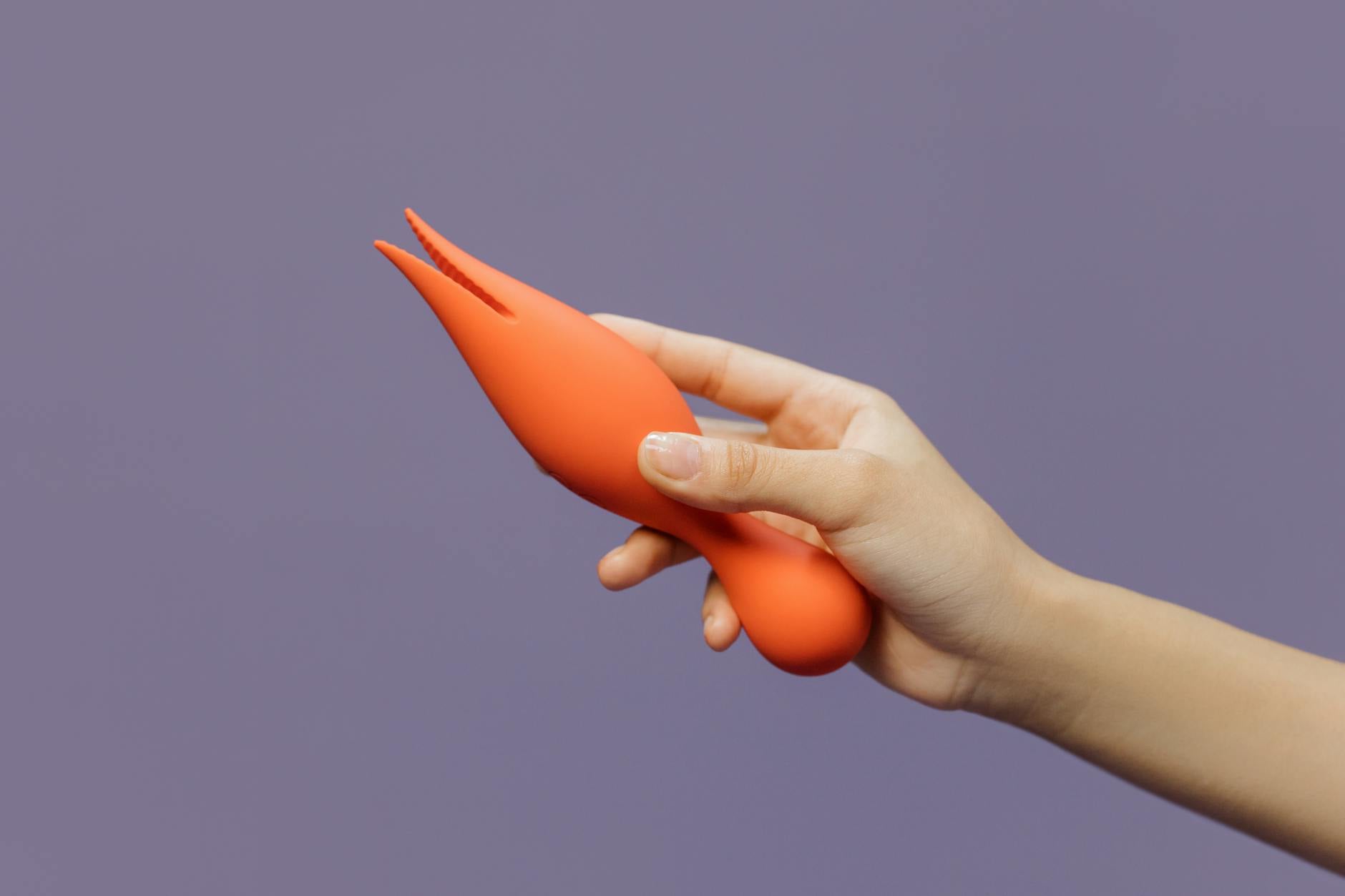
Let's talk about the thing nobody mentions
You want to use a lemon clitoral vibrator with your partner. You've thought about it. Maybe you've even looked at the Lem a few times. But the conversation feels impossible, so you haven't said anything. This is the most common blocker I hear from people in longer relationships. Not "I don't want a vibrator." It's "I want one, but I can't figure out how to ask."
The shame isn't about the toy. It's about what introducing it might mean. Will they think you're not satisfied? Will they feel replaced? Will it turn into a rejection wrapped in humor?
Here's the truth. The conversation isn't harder than you think it is. It's different than you think it is. And there's a way to do it that actually strengthens the connection instead of threatening it.
Why the shyness shows up in the first place
Most people grow up learning that pleasure is either a private shame or something you do for a partner, not with them. Asking for a toy forces you to say out loud: "My body has needs that matter. I want to feel good. This specific thing would help." That's not shameful. But it feels shameful because you've never practiced saying it before.
The other layer is the mythology we inherit. We think toys mean monogamy is failing. We think vibrators are a substitute for partners, not a tool you use together. We think if you need extra stimulation, the relationship is broken. None of that is true, and it's not based in anything clinical. It's just cultural noise.
What's actually true: introducing a lemon vibrator into shared pleasure often deepens intimacy because it requires vulnerability. You're saying "here's something I want, here's my body, here's what it needs." That's not a threat. That's clarity. Partners who understand that usually feel grateful for it.
The reframe that changes everything
Stop framing it as "I need a toy." Start framing it as "I want us to explore this together."
There's a massive difference. The first sounds like a complaint. The second sounds like an invitation. Your partner isn't broken, you're not broken. You're both just expanding what pleasure can look like in the relationship.
When you lead with that energy, the conversation becomes collaborative instead of defensive. You're not asking permission. You're not confessing something. You're inviting someone into your pleasure.
This matters because partners often resist toys because they think they're being replaced. That anxiety softens the moment they understand they're being included.
The scripts that actually work
Pick one that fits your vibe. Then say it.
Script 1 (Direct and simple): "Hey, I've been thinking about trying a clitoral vibrator with you. I read that lemon vibrators are really good for this. I'd like to experience that together. Would you be open to it?"
Why this works: No apology. No long explanation. Just a clear ask.
Script 2 (Curiosity-led): "I've been reading about how different toys can change what pleasure feels like, and I got curious. There's this lemon vibrator I think could be fun to try together. Would you want to experiment?"
Why this works: It centers shared discovery, not individual need.
Script 3 (Connected to pleasure you share): "You know when I feel most relaxed with you? I want to explore more of that. I think a lemon clitoral vibrator might help me get there faster, and I'd love to use it together. Are you interested?"
Why this works: It ties the toy to the existing intimacy you have, not to something missing.
Script 4 (If they seem hesitant): "I get that this might feel new. But here's the thing. This isn't about replacing anything. It's about adding texture to what we already do. I want to feel closer to you, and I think this could help. Can we talk about what's making you uncomfortable?"
Why this works: You're acknowledging the resistance and inviting dialogue instead of shutting it down.
What happens after you ask
Most partners will say yes or ask questions. Some will need time. Very few will say an outright no, and if they do, that's information about where you both are.
If they say yes: pick a time that feels natural, not rushed. Don't make it a whole production. You're not performing. You're just expanding what you do together.
If they need time: don't push. But do check in. "I know that was new. Do you have questions about it?" Usually the resistance softens once they realize you're not planning to use it instead of them, but with them.
If they say no: you have a choice to make that's bigger than vibrators. If they're open to talking about why, listen without defending. If they're not, that tells you something about how you both handle vulnerability. That might need its own conversation.
How to introduce the lemon vibrator itself
Once you've both agreed, here's the practical part.
Start slow. Let them hold it. Explain how the lemon suction-style stimulation works differently from traditional vibration. Some partners are curious and will want to understand the sensation before they experience it with you. That's a good sign.
Begin with the vibrator on a lower setting. You're not trying to prove anything. You're exploring what feels good. Let them see your face. Let them hear you. This is where vulnerability becomes intimacy. They'll watch you discover something new, and that's a form of connection that's actually pretty rare in long-term relationships.
Use it together in ways that make sense for both of you. Some couples love having the partner hold the lemon vibrator. Some prefer using it solo while the partner is involved otherwise. There's no one way. You're figuring out what works for your bodies and your dynamic.
Why this matters beyond the toy
Here's what actually happens when you have this conversation and follow through. You practice asking for what you need. Your partner practices hearing that without defensiveness. You both get evidence that vulnerability doesn't destroy intimacy. It deepens it.
Introducing a lemon clitoral vibrator isn't about the toy. It's about normalizing the idea that your pleasure matters enough to talk about. That your body has preferences. That exploration together is possible at any stage of a relationship.
That's huge. And it usually opens doors to other conversations you've been too shy to have.
FAQ
How do I bring it up if we've never talked about toys before?
Start exactly where you are. "This is new territory for me too, and I'm a little nervous saying it. But I've been curious about using a lemon vibrator together, and I'd rather tell you that than keep wondering." Honesty about your nervousness actually makes the conversation easier, not harder.
What if my partner thinks I'm not satisfied with them?
That fear is so common, and it usually means you need to address it head-on. "This isn't about you not being enough. It's about me wanting to explore a new sensation with you. You're still the center of this. I just want to add something new." If they're still struggling, you might need a few conversations, not one.
Is there a good time to bring it up?
Not during sex. Not when you're both stressed. Pick a moment when you're both calm and have time to talk. Early evening, over coffee, whenever feels natural for you. The setting doesn't have to be formal. Just make sure you both have space to think and respond.
What if they say no?
Ask why. Really listen. Is it anxiety? Discomfort? A value thing? Understanding the reason helps. Sometimes people soften once they talk through the resistance. Sometimes they don't. Either way, you know where you stand. From there, you can decide if this is a dealbreaker or something you're willing to let go of.
Can I use a lemon vibrator solo if my partner isn't interested?
Absolutely. And sometimes that actually opens the door. Your partner sees you feeling more pleasure, more relaxed, more connected to your body. They see you weren't asking them to do anything different. You were just adding something. That often shifts their perspective. Not always, but often.
How do I keep the conversation from getting awkward?
Treat it like you'd treat any other relationship conversation. No jokes to deflect. No apologies for wanting pleasure. Just clarity and curiosity. "Here's what I want. I'd like to explore it with you. What are your thoughts?" That directness actually prevents awkwardness better than hedging does.
The conversation you're too shy to have is usually the conversation that matters most. Starting now means you're choosing vulnerability over comfort. That's exactly what deepens a relationship.