The moment you notice it
Three weeks in. Or six. Suddenly the Lem vibrator that made you gasp is just... pleasant. Not bad, not broken, just muted. The patterns that used to hit differently now feel samey. You're not doing anything wrong. Your nerve endings are actually doing exactly what they're supposed to do. But that doesn't make it less frustrating.
This is what we call tactile desensitization, and it happens to almost everyone who uses a lemon clitoral vibrator regularly. Understanding why it happens is the first step to fixing it.
What desensitization actually is
Your nervous system is designed to notice change. A repeated stimulus becomes background noise. Think about how you stop noticing your clothes after five minutes of wearing them, or how background traffic sounds disappear when you're focused on something else.
With clitoral vibrators, the mechanism is similar but more specific. The receptors in your clitoral tissue are most sensitive to novel or changing sensations. When you apply the same vibration pattern at the same intensity for weeks, those receptors literally stop firing at the same rate. Your brain stops perceiving it as intensely because neurologically, it is not.
This isn't damage. It's adaptation. Your nervous system is doing its job so well that it's working against you.
The good news: it's completely reversible.
Why lemon vibrators specifically hit this wall
The Lem and other air-suction clitoral vibrators work through a very specific mechanism. They create rhythmic pressure changes that stimulate nerves in concentrated bursts. This precision is partly why they're effective. It's also why desensitization can feel sharper.
Because the sensation is so targeted and repeatable, your nervous system adapts faster than it might to less consistent stimulation. Traditional vibrators vary slightly in how they hit depending on angle, pressure, and movement. The Lem's consistent suction pattern actually trains your body to expect exactly what's coming.
That's not a flaw in the design. It's just the reality of how our bodies work.
The three main culprits
Use frequency. Daily or near-daily sessions speed up desensitization significantly. Your nervous system hasn't had time to reset between sessions. If you're using a lemon vibrator every single day, expect the plateau to hit faster than someone using it three times a week.
Pattern loyalty. If you always start with pattern 5 or always use the same intensity level, your tissue becomes habituated to that specific input. You're basically showing your nervous system the same movie every time. Of course it stops gasping.
Intensity creep. Many people unconsciously increase intensity over time, chasing the original feeling. You start at level 2. A month later you're at level 4. Your nervous system follows you up the ladder and adapts at each step. This creates a spiral where you keep turning up the dial without realizing it.
How to spot real desensitization
Not everything that feels less intense is desensitization. Before you panic, check a few things.
Are you still orgasming? Are orgasms just less sharp, less tremor-y, more subtle. That's adaptation. Are you genuinely not able to reach orgasm at all anymore, or orgasms have disappeared from your lemon vibrator use specifically. That might be something else. Hormonal changes, relationship stress, or medication can genuinely dull sensation independent of the toy.
Are other stimuli still working. Can you feel pleasure with a partner, or with your fingers, with the same intensity as before. If yes, you're looking at tool-specific desensitization, which is easier to reverse.
If sensation has dropped everywhere, see a healthcare provider before troubleshooting the vibrator.
The reset protocol that actually works
I recommend a structured break. Not forever. Not even that long. But strategically.
The Two-Week Reset. Stop using your lemon clitoral vibrator entirely for fourteen days. Yes, fourteen. Your nervous system needs time to re-sensitize. Continue exploring pleasure with your hands, your partner, or other tools if you want. The goal is to give your clitoral tissue a break from that specific pattern of stimulation.
After two weeks, return to the vibrator. Start at the lowest intensity you've ever used it at. Spend a full week there before moving up. Your sensitivity will have bounced back noticeably.
The Pattern Rotation Method. If you can't do a full reset, rotate patterns obsessively. Use pattern 1 for three sessions, then switch to pattern 3. Then 5. Then back to 2. Don't get comfortable. This keeps your nervous system guessing and prevents total adaptation.
The Intensity Ladder. Map out your Lem's entire range over a month. Week one is levels 1-2 only. Week two is levels 2-3. Week three is 3-4. Week four, you can access the full range, but you're now aware of every step. This prevents the unconscious creep that dulls sensation.
What happens during the reset
Your nerve endings don't actually lose sensitivity. They're just overwhelmed by repeated input. When you remove the stimulus, they recalibrate. This usually takes seven to ten days. By day fourteen, your lemon vibrator will feel noticeably sharper.
The first session after a reset often surprises people. It feels almost like the first time using it. That's your nervous system saying thank you.
Prevention is easier than recovery
If you haven't hit the desensitization wall yet, you can avoid it almost entirely with smart rotation. Use your lemon sucker or Lem vibrator three to four times weekly instead of daily. Alternate which pattern you lead with. Start sessions at different intensity levels.
Think of it like music. If you listened to the same song every single day, you'd stop hearing it. If you cycle through songs, you stay engaged. Same principle.
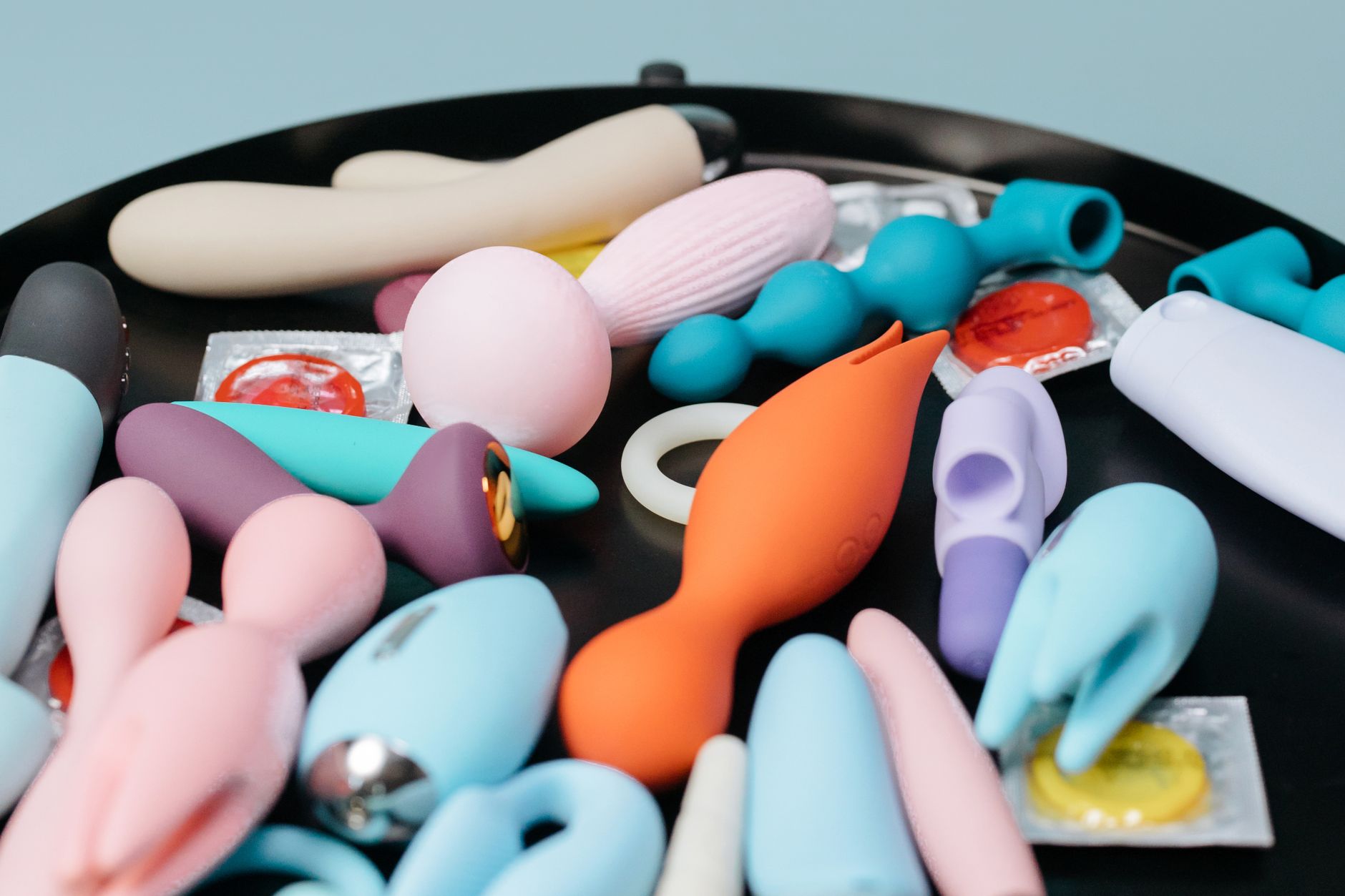
Photo by cottonbro studio on Pexels
Combining tools to avoid the plateau
Desensitization happens fastest when you're using a single tool the same way every time. Vary your approach. Use your lemon clitoral vibrator three times a week. Use your hands or a partner another two times a week. Try a different toy or a wand vibrator on alternate weeks.
This isn't about having a rotation of toys for the sake of it. It's about keeping your nervous system engaged. Each tool creates slightly different sensations. Your nervous system doesn't habituate as fast to varied input.
That said, there's nothing wrong with having favorites. Using what you love is the whole point. Just build in variety around the edges.
When desensitization is telling you something else
Sometimes a dulled sensation is your body's way of saying something needs attention. If desensitization is accompanied by pain, numbness, or loss of other sensations in your vulva, see a doctor. That's not normal adaptation.
If you notice desensitization only after starting new medication, hormonal birth control, or dealing with significant stress, the lemon vibrator might not be the issue. Your overall system is stressed. Addressing the root usually fixes the sensation.
Partner conflicts can also numb pleasure unexpectedly. If you're feeling emotionally disconnected or resentful, your body might be protecting you by downregulating sensation. How Lemon Vibrators Help Couples Rebuild Desire After Relationship Stress covers this more deeply.
The long view
Desensitization isn't permanent. It's not a sign you're broken or that your vibrator is broken. It's a sign you've been using it enough that your nervous system adapted. That's actually proof the tool works. Your body is responding exactly as designed.
The reset protocols work. The rotation methods work. And most importantly, sensitivity returns. Many of my clients report that their second or third peak with a Lem vibrator feels even better than the first because they've learned their own patterns so well.
The key is treating this as information, not failure.
Frequently asked questions
How long does it take to regain sensitivity after desensitization?
Most people feel a noticeable difference within five to seven days of a break. Full sensitivity usually returns within two weeks. If you're rotating patterns instead of taking a full break, the improvement is slower but more gradual. You might notice sharper sensation after three to five days of mixing things up.
Can you permanently desensitize your clitoris from vibrators?
No. Desensitization is reversible and temporary. You're not damaging nerve tissue. You're just fatiguing your nervous system's attention to that specific stimulus. Take a break or rotate patterns, and your sensitivity bounces back. This is neurological adaptation, not tissue damage.
Is it okay to use a lemon vibrator every single day?
Technically yes, but you'll hit the desensitization wall much faster. If daily use is your preference, commit to rotating patterns aggressively and varying intensity levels throughout the week. Even better, use your Lem four or five times weekly and give other tools or your hands the other days. You'll maintain sensation much longer.
Do different lemon clitoral vibrator patterns desensitize at different rates?
Yes. Consistent, steady patterns (like pattern 1) habituate faster because there's less variation for your nervous system to track. Irregular or pulsing patterns (like patterns 5 or 7) typically desensitize more slowly because the stimulus is less predictable. If you're prone to desensitization, favor the complex patterns.
Should you use lubricant differently when you're experiencing desensitization?
Lubricant doesn't prevent desensitization, but it can help during a reset. After a break, your tissue might feel slightly less responsive at first. A good water-based lube can make the re-introduction smoother. During regular use, lubricant doesn't affect how quickly desensitization happens. It affects comfort and sensation quality, not adaptation rate.
What's the difference between desensitization and just needing a break?
They're sometimes the same thing. Desensitization is your nervous system adapting to repeated stimulus. Taking a break fixes it. The distinction is whether you understand why sensation feels muted (adaptation) versus just knowing it does (exhaustion). Once you understand the mechanism, you can prevent it better.
Your lemon vibrator didn't stop working. Your nervous system just got too comfortable with what it was feeling. A reset, some pattern rotation, or a strategic break brings back the intensity you love. Think of it as a conversation between you and your body. When sensation dulls, your body's saying it needs something new. Listen to that. The pleasure comes back.