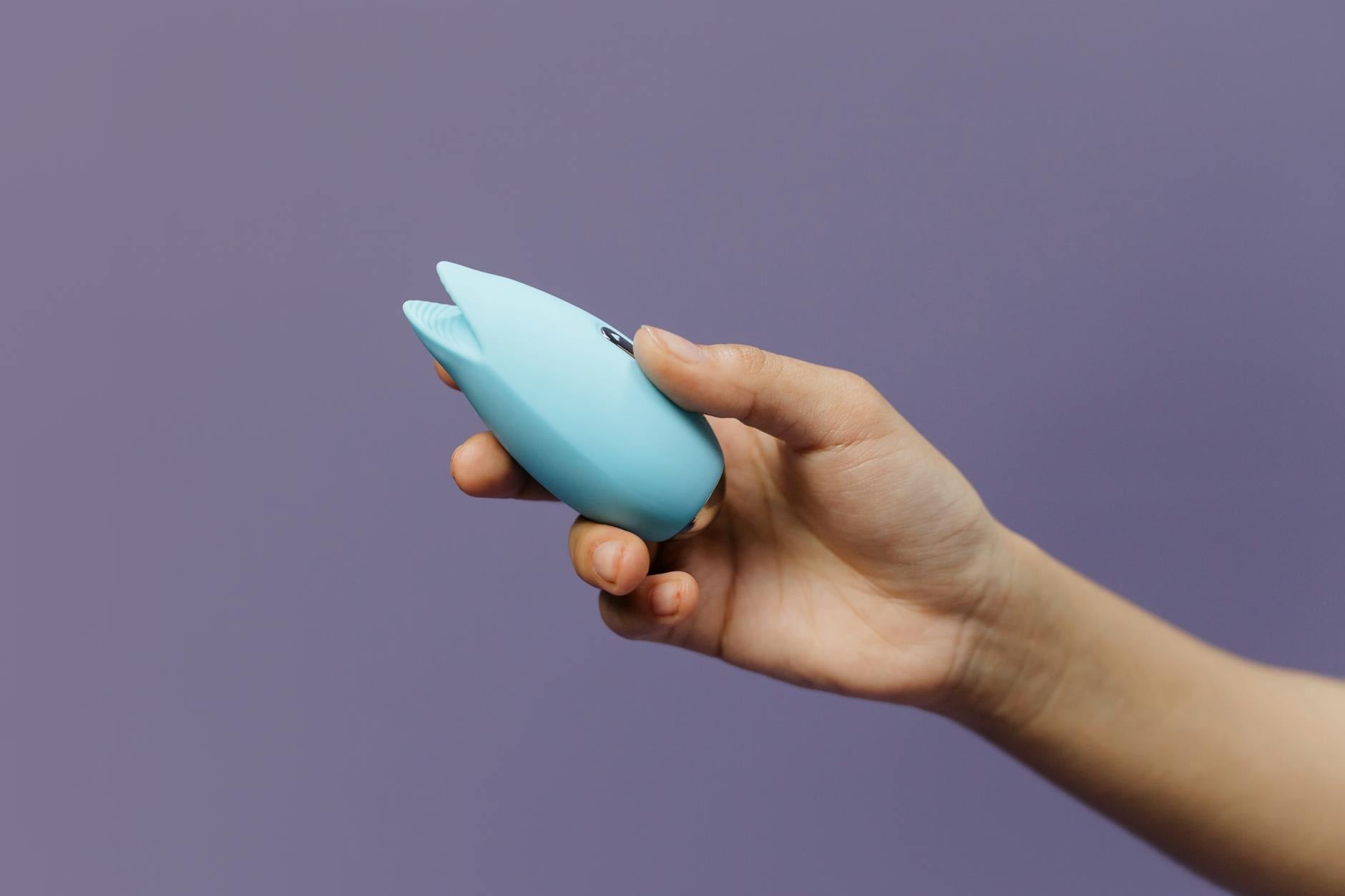
Here's why your body might feel like a stranger when you first try a lemon vibrator
Your hands have been your primary tool for decades, maybe. Your brain knows exactly how much pressure you like, what rhythm works, how long you need. Your fingers know your body's map by heart. Then you introduce a lemon vibrator, and suddenly nothing feels quite right. It's too intense. Too buzzy. Or strangely, too distant. That's not broken. That's your nervous system recalibrating.
The transition from manual stimulation to lemon sexual toys is one of the most underestimated friction points people encounter when exploring vibrators. You'd think a more powerful tool would just feel better. Instead, it often feels alien. And that's actually useful information.
What your brain has been doing all this time
When you've been relying on your own fingers for solo pleasure, your nervous system has created what's called a sensorimotor map. That's neuroscience speak for: your brain knows the exact coordinates of every sensation you like, the precise pressure points, the rhythm that works. Your hands provide direct feedback that's deeply personalized. You can adjust in real time. You feel the warmth of your skin, the friction, the give of tissue beneath your fingers. That information is being processed constantly.
A lemon clitoral vibrator bypasses a lot of that feedback loop. The vibration is external stimulation that your body hasn't learned to recognize as pleasure yet. Your nervous system is essentially saying, "This is new data. I don't have a file for this." The first few times you use a lemon vibrator solo, you're teaching your brain a completely new language.
Why it feels too intense (when it shouldn't)
The most common complaint I hear from people switching from manual stimulation to lemon vibrators is intensity. But here's the thing: intensity isn't really the problem. Novelty is.
When you use your fingers, stimulation is graduated. You build pressure gradually. Your clitoris has time to engorge, desensitize slightly, and prepare for peak sensation. With a lemon vibrator on even a moderate setting, that stimulation arrives immediately and constantly. Your nervous system perceives this as overstimulation, even if the actual intensity level isn't higher than what your fingers could deliver. It's the rate of arrival that feels shocking.
That's why starting on the lowest settings isn't just beginner advice. It's neuroscience. You're giving your body time to register that this type of stimulus is safe and pleasurable, not threatening.
The sensation shift: why it feels different even at lower intensity
Your fingers deliver pressure and friction. A lemon sucker (the suction-based models like the Lem) delivers a completely different type of stimulation: gentle pulling and pulsing that engages nerves in a way friction doesn't. Air-suction lemon vibrators tend to create more diffuse, less localized sensation than direct contact.
Some people find this wildly better. Others find it takes a few sessions to feel like it's actually working. That's not a sign the vibrator is wrong for you. It means your pleasure pathways are still looking for the familiar squeeze and rub of manual stimulation.
One thing I recommend: try a lemon clitoral vibrator with actual vibration first, not suction. The Berri or Uno will feel closer to what your hands have been doing because they're creating rhythmic pressure rather than a completely novel sensation. Once you're comfortable with vibration, suction feels less alien.
Why blended approaches work during the transition
You don't have to choose. Many people find that combining lemon vibrators with manual touch makes the transition feel much less jarring.
Try this: use the vibrator on a low setting while applying light pressure with your other hand. Or use your fingers for direct clitoral contact while you're using the vibrator nearby but not directly touching. You're giving your brain both the familiar (your hands) and the new (the toy) at the same time. This is called co-stimulation, and it's a legitimate pleasure technique, not a stepping stone to "real" vibrator use.
Some people use blended approaches forever because they prefer it. That's fine. Your pleasure doesn't have a graduation requirement.
The patience piece nobody talks about
There's an expectation that vibrators are supposed to feel instantly better. When they don't, people assume something's wrong with the toy or their body. Usually it's just that your nervous system needs runway.
I typically tell people to give a lemon vibrator at least five to seven solo sessions before evaluating whether it's working for you. That's five to seven opportunities for your brain to start filing vibration as pleasurable input instead of novel stimulation. By session three or four, most people notice the sensation starting to feel more familiar. By session seven, many experience their first vibrator-assisted orgasm, which often feels qualitatively different from finger-based ones. Different doesn't mean worse. It's often more intense or longer-lasting because the stimulation is more consistent.
The intensity question revisited: knowing when to turn it up
After those initial sessions, you'll have a clearer sense of whether you want more intensity or if lower settings are actually what you prefer. This is important: people often assume vibrator intensity should equal manual pressure. It doesn't have to.
Some people find that a mid-range setting on a lemon vibrator paired with their imagination and focused attention creates better orgasms than maximum intensity. Others genuinely love the higher settings. The point is you're now in a position to choose based on actual preference, not just guesswork.
If you do find you want more intensity, don't feel like you've failed at lower settings. Your body's getting what it needs. Turn it up.
What happens after you've adjusted: the rewiring
Here's something unexpected that happens after about two weeks of regular lemon vibrator use: your manual stimulation might feel less effective. You haven't lost your ability to orgasm with your fingers. Your nervous system has just learned that vibration is a faster route. This is sometimes called the "vibrator dependency" myth, but it's not really dependency. It's efficiency. Your brain learned a shortcut.
The solution isn't to swear off vibrators to "keep sensitivity alive." That's like saying you should avoid using a shower to keep yourself appreciative of baths. It's unnecessary. Instead, use variety. Solo pleasure with your lemon clitoral vibrator some sessions, manual stimulation other sessions, other types of toys or methods on another rotation. Your nervous system stays plastic and responsive when you're giving it diverse input.
When to reach out for support
If after those initial adjustment sessions you're experiencing actual pain (not just strangeness, but pain), or if the vibrator creates numbness that lingers for hours, pause and check the intensity level you're using. You might need to dial it down further or take longer breaks between sessions.
If you're finding that no setting feels pleasurable and it's been more than two weeks, it might genuinely not be the right toy for your body or preferences. Not every lemon vibrator works for every person. Some prefer wand-style vibrators (the Lolly), some prefer the suction sensation (the Lem). There's no single best tool.
The bigger picture: you're learning, not failing
Switching from solo pleasure with your fingers to using lemon sexual toys is a skill, not a switch you flip. Your nervous system is adapting. Your brain is building new pleasure pathways alongside the old ones. That takes time. You're not broken if the first session feels weird. You're exactly where you should be.
People also ask
How long does it take to get used to a lemon vibrator after using fingers?
Most people notice a significant shift in how a lemon clitoral vibrator feels after five to seven sessions. By two weeks of regular use, most have adjusted enough to know whether it's genuinely working for their body or not. Some people adjust in three sessions. Others need three weeks. It depends on how much manual stimulation you've been doing and how sensitive your nervous system is to novelty. The key is consistency without pressure.
Can I use a lemon vibrator and my fingers at the same time?
Yes, absolutely. Co-stimulation, blending vibrator use with manual touch, is both effective and common. You might use the vibrator on one setting while applying light pressure with your other hand, or use your fingers on the surrounding area while the vibrator handles direct clitoral contact. There's no "proper" way. Mix and match however feels best.
Will using a lemon vibrator make my fingers stop working?
No. What happens is your nervous system learns that vibration is a faster route to pleasure, so manual stimulation might feel less immediately gratifying. That's not damage. It's efficiency. If you want to maintain responsiveness to manual touch, use variety. Alternate between vibrator sessions and finger-only sessions. Your pleasure pathways stay adaptable when you're giving them diverse input.
Why does my lemon sucker feel less intense than my fingers even though it's supposedly more powerful?
A suction-based lemon vibrator like the Lem delivers stimulation differently than pressure and friction. It engages different nerve endings through gentle pulling rather than direct rubbing. Your nervous system might perceive this as less intense even if it's technically delivering more consistent stimulation. This often shifts after a few sessions as your body learns to recognize suction as pleasurable. Some people genuinely prefer direct vibration (like the Berri or Uno) over suction. Both are valid.
Should I use my lemon vibrator every day while adjusting?
Daily use during the adjustment phase can actually help your nervous system integrate the new sensation faster. Many people find that using their lemon clitoral vibrator daily for the first week or two accelerates the adjustment process. After that initial period, listen to your body. Some people find daily use works best for them. Others prefer every other day or a few times a week. There's no fixed rule. What matters is consistency and paying attention to how your body is responding.
Can numbness happen when switching from fingers to a lemon vibrator?
Some temporary numbness or reduced sensation immediately after vibrator use is normal and typically resolves within a few hours. If numbness lingers for hours or intensifies over multiple sessions, you're likely using too high an intensity setting or going too long. Scale back the intensity and take longer breaks between sessions. If lingering numbness continues, take a week off and reassess. Your body's feedback matters more than any protocol.
What you're actually doing here
You're not replacing your body's natural response with a toy. You're expanding your nervous system's vocabulary. The sensation of your own fingers isn't going anywhere. You're just learning a new language alongside it. That takes time. That takes patience. And it's completely worth it.