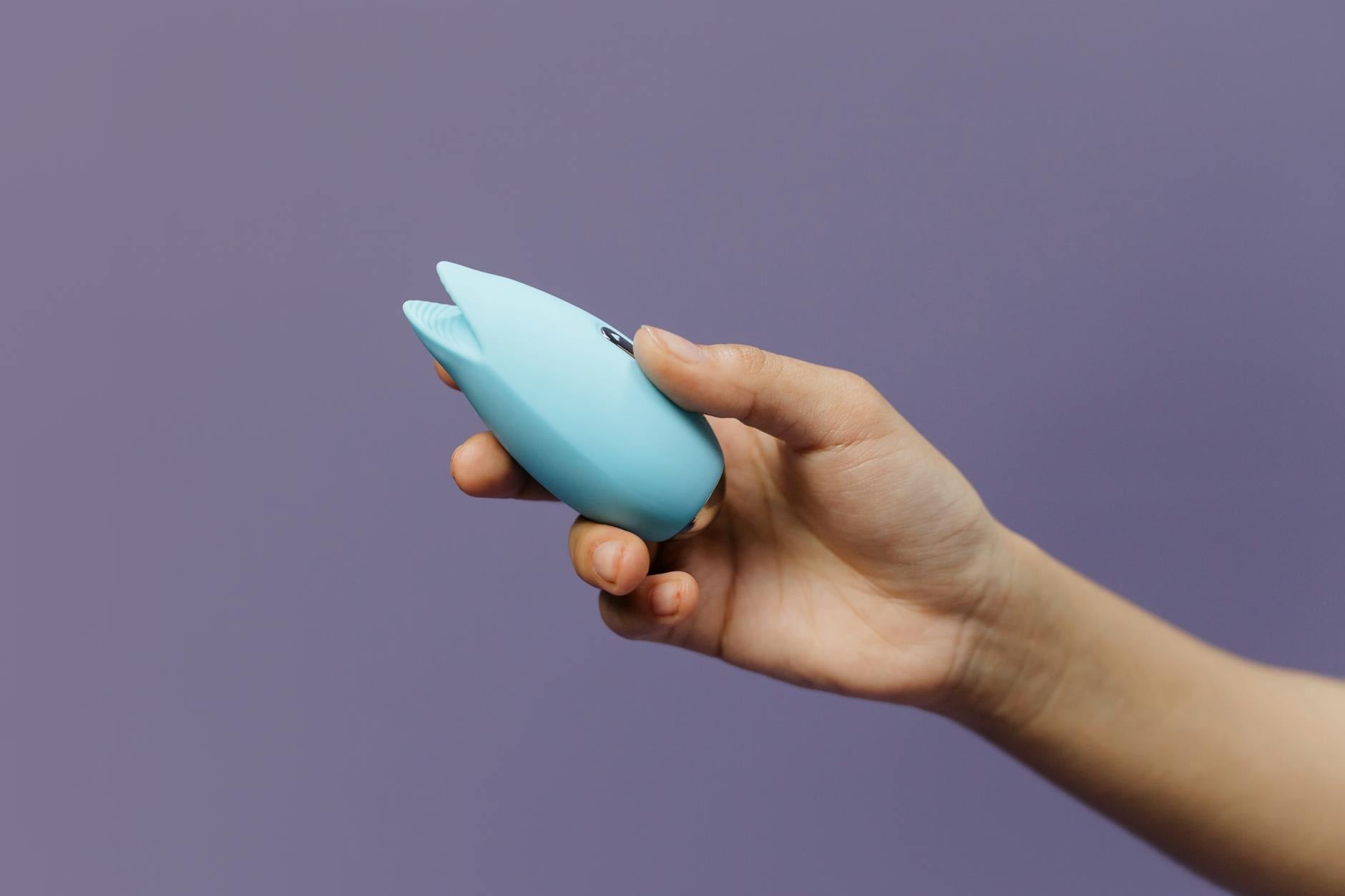
Let's be real: if your lemon vibrator is causing pain, you're not using it wrong. Something else is going on, and it's fixable.
Pain during clitoral stimulation often gets dismissed as "too sensitive" or "you need to relax," but that's missing the point. Your body is sending a signal. The good news is that signal is usually telling you something specific that can be addressed in days, not months.
I work with couples on intimacy all the time, and one of the most common things I hear is silence around pain. People stop using their lemon vibrator, blame themselves, and never mention it to their partner or a doctor. That's the pattern I want to break today.
The most common reason: you're going in too hard, too fast
This one accounts for about 60% of the pain reports I see. Lemon clitoral vibrators, especially the suction-style ones, feel intense right away. Your instinct is often to dive in at higher patterns or press harder. Your tissue doesn't want that.
Here's the physiology: the clitoris has 8,000 nerve endings packed into a tiny area. It doesn't need aggressive pressure to feel good. In fact, aggressive pressure often triggers a protective tension response. Your pelvic floor muscles clench, blood flow concentrates, and what should feel amazing starts feeling sharp or bruised.
The fix is almost embarrassingly simple. Start at pattern 1. Spend a full 10 minutes there before moving up. Then try pattern 2 for another 10 minutes. You're not being cautious; you're actually optimizing for sensation. Most people find their sweet spot is pattern 2 or 3, not patterns 7 or 8.
Second most common: you're not using lubricant
Your body might produce natural lubrication, but that's different from what your clitoris needs during vibrator use. Lube reduces friction and creates a cushion between the toy and your tissue. Without it, every vibration is more abrasive.
Use a water-based lubricant. Apply it generously to the toy and the area around your clitoris. Yes, "generously." More is better here. If it dries out during use, add more. This alone solves pain for a lot of people.
Avoid silicone-based lubes if you're using a silicone toy like a lemon vibrator. They can degrade the material over time. Stick with water-based every time.
Third: sensitivity changes from stress, hormones, or medications
Your clitoris isn't equally sensitive every day. Stress, sleep deprivation, menstrual cycle phase, certain medications (especially antidepressants), and hydration levels all shift how your tissue responds.
If the pain is new and inconsistent, track when it happens. Is it around a certain part of your cycle? After stressful days? When you're not sleeping well? Once you see the pattern, you can adjust. Maybe you use your lemon vibrator less intensely on high-stress weeks, or you add extra warm-up time when you're tired.
Hormonal birth control can also change sensitivity in both directions. Some people become more sensitive; others become less. If you've recently started or changed birth control and pain appeared, that's worth mentioning to your doctor.
Fourth: pelvic floor tension you might not realize you have
The pelvic floor is a muscle, and like all muscles, it can be tight and tense. If you spend your day clenching (stress, sitting posture, anxiety), your pelvic floor stays somewhat contracted. When you try to use a vibrator, that baseline tension makes everything feel sharper.
This one requires a different approach. Warm up first. Take 10 minutes. Use heat on your lower abdomen or pelvic area. Breathe deeply. The goal is to actively relax your pelvic floor before you even turn on the toy.
Here's a specific technique: slow inhales through your nose for four counts, then longer exhales through your mouth for six counts. Do this for 2-3 minutes before using your lemon vibrator. You're literally signaling your nervous system to downshift. It works.
If pelvic floor tension is chronic, a pelvic floor physical therapist can do wonders. They can identify what's actually tight and teach you how to release it properly. This is not a rare specialist; most cities have them, and many insurance plans cover it.
Fifth: you might have genital skin sensitivity or a mild infection
If the pain is burning, sharp, or localized to one spot, and it persists even at low intensity, this could be something like a yeast infection, bacterial vaginosis, or just irritated skin.
Stop using the vibrator for now. Wear cotton underwear. Skip other irritants (douches, scented products, aggressive cleaning). If the pain doesn't improve in a few days or if you notice discharge or odor changes, see a gynecologist. Most of these are one-treatment fixes.
The lemon vibrator didn't cause the problem, but it's highlighting something your body wants you to address.
What you should do right now
First, give yourself permission to pause. You don't have to use your lemon sexual toy tonight or this week. This isn't failure; it's information gathering.
Second, start fresh with the basics: lower intensity, plenty of lube, a relaxed pelvic floor, and a slower approach than you think you need. This solves it for most people within a session or two.
Third, if pain persists after you've tried these adjustments for a week, see a doctor. Specifically, a gynecologist or a doctor familiar with vulvovaginal health. Describe the pain (sharp, burning, aching, pressure) and where it is. That detail matters.
If you're in a relationship, consider talking to your partner about it. Not as a problem to solve together, but as information they should know. Sometimes pain around intimacy creates a feedback loop of anxiety that makes everything worse. Opening the conversation actually eases the pressure.
Why this matters beyond just using your toy
Pain during sexual pleasure isn't something to ignore or power through. Your body is trying to communicate. The lemon clitoral vibrators from Hello Nancy work beautifully for most people, but only when they're being used in a way that feels good.
If you want to explore different styles, our full guide covers lemon vibrators and how they work on different bodies. You might also find our post on sensitive bodies and lemon vibrators helpful as you troubleshoot.
The goal isn't just to use a clitoral vibrator. It's to have pleasure that actually feels like pleasure, not something you're enduring. That starts with listening to what your body is telling you.
FAQ: Pain and lemon vibrator use
Why does my lemon vibrator hurt on the highest settings but feel okay on lower patterns?
This is normal and expected. Your clitoris doesn't need high intensity to reach orgasm. In fact, many people have their best orgasms at patterns 2-4 on lemon suction vibrators. The highest settings are available because everyone's wiring is different, but they're not the goal. Stay at the intensity that feels good, period.
Can I hurt myself permanently with a clitoral vibrator?
With normal use, no. Your clitoris is resilient. That said, aggressive use over long periods can cause temporary soreness (similar to how your legs feel after a new workout). The fix is the same: lower intensity, shorter sessions, and more rest days in between. If you're checking in on how long to wait between sessions, you're on the right track.
Does pain mean I'm not aroused enough?
Not necessarily. Pain and arousal are separate systems. You can be aroused and still have pain if you're going too hard too fast, or if there's an underlying sensitivity issue. Arousal isn't a substitute for technique. Start low, go slow, and build from there.
Should I use a different toy if lemon vibrators cause pain?
Not yet. Try the adjustments in this post first. Different intensity, lube, warm-up time, and pelvic floor relaxation will resolve pain for most people regardless of the toy. If pain persists after a week of these changes, then yes, trying a different style makes sense. But the problem usually isn't the toy; it's how it's being used.
Is pain a sign I have a health problem?
Maybe. Pain during vibrator use can point to pelvic floor tension, skin sensitivity, infections, or hormonal changes. It can also just mean you're pushing too hard too fast. The way to tell is to try the low-intensity, high-lube, slow-warm-up approach for a week. If that doesn't help, that's when you schedule a doctor visit. You have good information to give them.
Can my partner help if I have pain during shared use?
Yes. If you're using a lemon vibrator with your partner, communication is everything. Tell them exactly what you're feeling and what helps. Maybe that's them using a lighter touch, giving you control of the intensity, or taking breaks. Partners who understand this isn't about them rejecting their touch, but about finding what actually feels good, are usually relieved to help troubleshoot.
Next steps
Your pleasure matters. Pain during sex shouldn't be something you accept or hide. Whether it's a technique adjustment or something that needs medical attention, there's a path forward.
Start with the intensity and lube adjustments. Give it a week. If you're still having pain, reach out to your doctor. And if you want more specific guidance on technique or which toy might work better for your body, contact the team at Hello Nancy. We're here to help you get to the good part.