Here's what nobody tells you
Introducing a lemon vibrator to someone new is not the same as introducing it to a long-term partner. The stakes feel different. The vulnerability feels sharper. And honestly, the stakes ARE different because you're building something from scratch, and you don't yet know how they'll react.
I've worked with dozens of people navigating this exact moment. The good news: almost nobody gets it catastrophically wrong if they approach it with honesty and timing. The bad news: there are absolutely ways to make it weirder than it needs to be.
The timing question (when to bring it up)
There's a window. Too early, and you're loading a lot of assumptions onto someone you barely know. Too late, and they might wonder why you didn't trust them sooner. I've found the sweet spot is usually after you've been intimate a few times but before you're so locked into a rhythm that introducing something new feels like criticism.
The actual moment matters more than the calendar timing. You want to bring it up during a relaxed conversation, not during sex and not immediately before. Pillow talk works. A lazy Sunday morning works. Not in the car on the way to dinner. Not five minutes before bed when they're already tired.
You also want to know your own answer to the most obvious follow-up question: why do you want to use one? "I like how it feels" is completely legitimate. So is "I've been curious about it" or "It helps me come and I'd love to experience that with you." Having a clear, non-blaming reason matters because it tells them this isn't about them being insufficient.
The conversation itself (what actually works)
I recommend a three-part structure that sounds simple but actually defuses almost all of the weird tension.
Part one: normalize it. Start with something like, "I want to talk about something that might feel a bit vulnerable, but I trust you. I've been curious about trying something with you." You're immediately signaling that this is normal-enough-to-discuss and that you have confidence in them. Those two things prevent them from spiraling.
Part two: be specific and separate yourself from blame. "I have a clitoral vibrator I've used solo. I like how it feels. I was thinking it could be fun to use together." Notice what you're NOT saying: "Your fingers don't do it for me" or "I need this to come." You're describing an object and an experience, not a deficit in them.
Part three: create actual space for their response. Don't follow it up with your reasons why it's great or apologize or over-explain. Just wait. Give them room to ask questions or say no or ask to think about it. Most people will respond with curiosity if you've left them an opening instead of defending or elaborating unprompted.
 Photo by Ron Lach on Pexels
What they might actually say (and how to handle it)
"Will you still want me?" This is almost always subtext, even if they don't say it directly. The answer is easy and true: "Absolutely. This is about adding something fun, not replacing you." No flowery reassurance needed. Just clarity.
"I don't know if I'd be comfortable with that." Okay. That's real information. "What about it makes you uncomfortable?" might be the next question. Is it performance pressure? Not knowing what to do? Cultural stuff? Each reason has a different solution, and none of them require you to drop the idea forever.
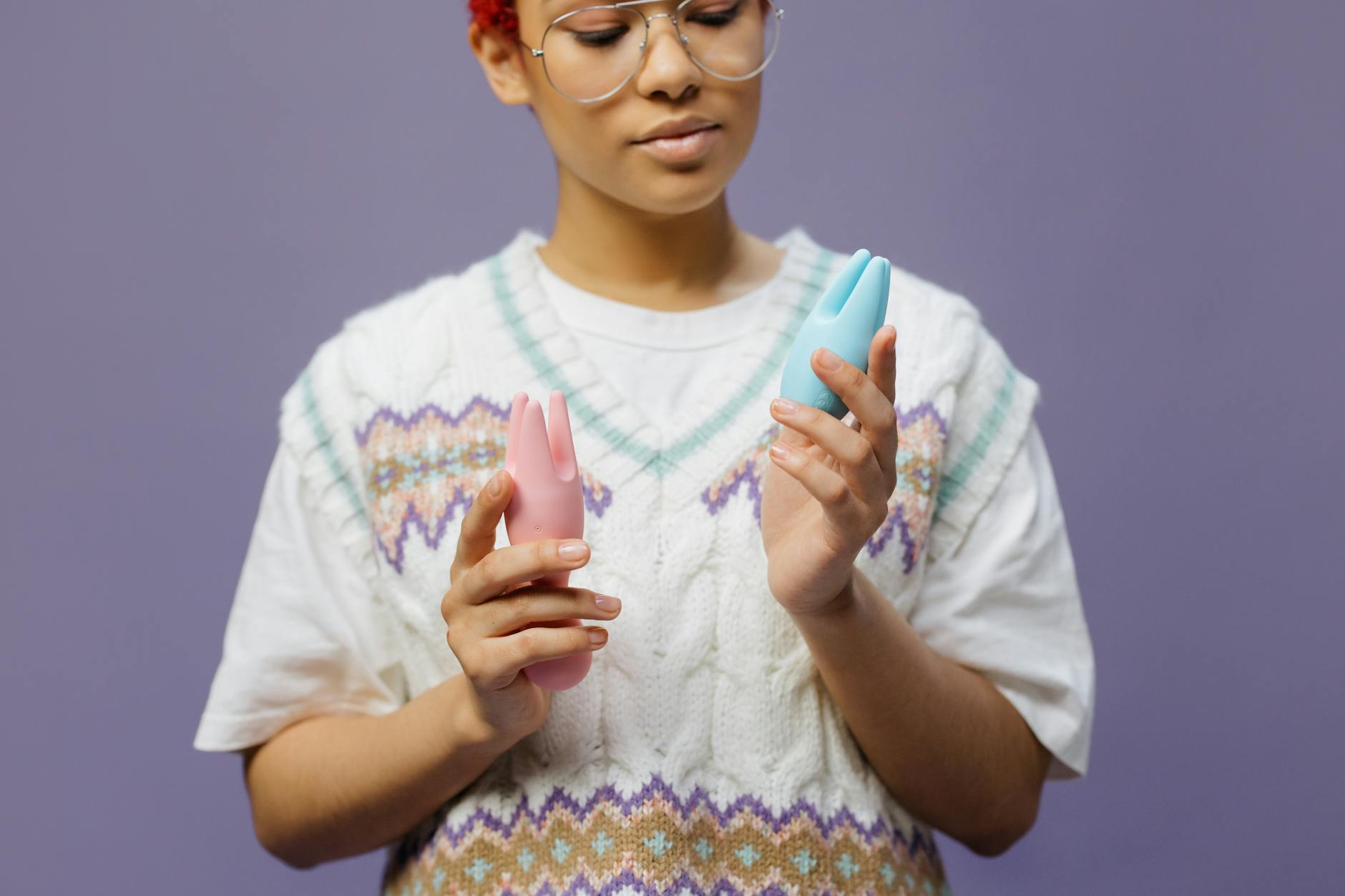
"I'm curious. Can I see it?" Great. Show them. Most of the weirdness evaporates when people see that a clitoral vibrator like the Lem is a discrete object that isn't intimidating once it's in your hand.
"I'd want to try it together." Perfect. This is what you were hoping for.
The first actual experience (remove the pressure)
Don't build it up. Don't treat it like a special event. Integrate it into what you already do. If you usually start with kissing and touch, add the vibrator into that sequence the way you'd add a hand or a mouth.
One concrete thing I recommend: have the vibrator already out and accessible, not hidden until the last second. It feels less like a surprise twist and more like "this is just part of how we're going to play today." You can hand it to them or ask them to hand it to you. Either way, you're signaling that you're both grown enough to handle a toy without pretending it didn't exist five seconds ago.
Start on a lower setting. Even if you normally use it on a higher pattern, your nervous system won't be as relaxed with someone new watching and touching you, and sensation feels more intense when you're not alone. You're not "testing" yourself. You're being realistic about how your body responds in different contexts.
Talk while you're doing it, or after. "That felt good" or "I like this better with your hand here too." You're building shared knowledge about what works instead of making them guess.
The conversation after (if things felt awkward)
Sometimes the first experience is amazing. Sometimes it's awkward or overstimulating or the moment just didn't land. That's all normal. If you want to revisit it, you can say something like, "That was vulnerable for both of us. I'd like to try again if you're open to it." You're acknowledging the realness of what just happened without shame.
If they want to talk about it, actually listen instead of defending. "I felt like I didn't know what to do" is useful feedback. "I wasn't sure if you wanted me involved or if you just wanted to do your own thing" tells you something about clarity. These are fixable problems, not signs you made a mistake.
Refer back to earlier conversations about why you wanted to try this. Reconnect to the excitement part, not the mechanics. "I love that we can try new things together" is way more grounding than "we should probably use it again soon."
The meta-skill underneath all of this
Introducing a lemon vibrator to a new partner is actually teaching you both how to communicate about desire, vulnerability, and trying things that don't fit neatly into conventional scripts. That skill transfers to everything else. If you can talk about a vibrator without spiraling, you can talk about almost anything.
Some partners will be enthusiastically interested from the jump. Some will need time. Some will try it once and never want to again, and that's completely fine. Your job is to stay clear about what you want while making space for them to have their own honest answer. That's what actually keeps early intimacy from getting weird.
Your pleasure matters. Their comfort matters. Both things can be true at the same time. The conversation is how you honor both.
People also ask
Should I mention I own a vibrator on a first or second date?
No. You're not obligated to disclose your solo pleasure practices to someone you've just met. When you become intimate is when context matters. That's the natural time for this conversation to emerge, not before.
What if my new partner suggests using a vibrator first?
That's actually easier than you bringing it up. You can ask what they had in mind, whether they've used one before, and what they're imagining. This removes the pressure of you proposing something vulnerable and lets you both be curious together.
Can a lemon clitoral vibrator ruin sensitivity with a partner?
No. Vibrators don't desensitize you to touch. Your body doesn't forget what hands and mouths feel like. What sometimes happens is that you realize you have strong preferences, and that's good information, not a problem. See our piece on <a href="/blog/does-lemon-vibrator-feel-good-sensitive-bodies">whether lemon vibrators feel good on sensitive bodies</a> for more specifics.
Is using a vibrator during partnered sex less intimate?
It's differently intimate. You're involving your partner in your pleasure, which requires communication and trust. Some people find that more intimate, not less. The intimacy comes from being seen and accepted, not from the specific tools involved.
What if they want to use it and I'm uncomfortable?
That's also allowed. You can say, "I appreciate you being open to it, and I'm not quite there yet. Can we revisit this in a few months?" or "I'm still figuring out how I feel about it." Honest "no" is always better than reluctant "yes."
How do I bring it up without making them feel like I'm criticizing their performance?
Frame it as addition, not correction. "I want to show you something I enjoy" is wildly different from "You're not doing this right." Keep the focus on your pleasure, not on what they're missing. If you're worried about tone, practice the conversation with a friend first and say it out loud.
The bottom line
New relationships are fragile not because vulnerability is risky, but because you haven't yet built the infrastructure to handle it smoothly. Introducing a lemon vibrator is actually one of the lower-stakes ways to build that infrastructure. You're practicing honest communication, naming desire, and navigating someone else's response without losing yourself. Those skills matter far more than whether you ever actually use the vibrator together.
Start the conversation when you're calm. Be clear about why you want to try it. Make space for them to have their own honest answer. And remember that rejection of the toy is never rejection of you. Ready to take the next step? <a href="/contact">Get in touch</a> if you want to talk through the specifics.