
How to Talk to Your Partner About Lemon Vibrators Without the Awkward
Here's the thing: the hardest part isn't buying the vibrator. It's the three-minute conversation before you do.
I've worked with hundreds of couples, and the pattern is always the same. One partner (usually the one with a vulva) wants to introduce a lemon clitoral vibrator into their sex life. They want better orgasms. They want to feel more pleasure. They want to explore what their body can actually do. And then they stare at their phone for a week, paralyzed by a single thought: "What if my partner thinks I'm rejecting them?"
They're not. That's the thing nobody tells you. Partners almost never feel rejected when you introduce toys. What they actually feel depends entirely on how you frame the conversation. Get the framing right, and you're not talking about a vibrator. You're talking about wanting more pleasure together. That's a completely different conversation, and it's one almost everyone wants to have.
Why the conversation feels bigger than it is
There's a cultural story we all inherit: sex toys are a last resort. They're what you buy when something is broken in the relationship. They're a sign that your partner isn't enough. None of that is true, and all of it affects how we approach the conversation.
In reality, sex toys are tools for pleasure. A lemon vibrator is not a replacement for your partner's touch. It's an addition to it. The clitoral stimulation patterns that a vibrator creates are physically different from what fingers or bodies can do. You can't generate that same suction and pulse with a hand. That's not a weakness in your partner. That's just physics.
Once you separate the tool from the emotional meaning, the conversation becomes technical instead of threatening. And technical conversations are easy.
The setup: choose the right moment
Don't do this during sex, and don't do it when either of you is tired, stressed, or distracted. You're not asking permission for a casual thing. You're asking to deepen intimacy together. That deserves real attention.
The best timing is calm, private, and outside the bedroom. Think: Sunday morning coffee, a walk, or after dinner when you're both relaxed. The location matters because your nervous system is already activated if you're in the space where you have sex. Start somewhere neutral.
Avoid bringing it up as a criticism or a solution to a problem. Don't say, "I never orgasm" and then immediately follow with a vibrator suggestion. That creates the exact wrong association. Instead, approach it as exploration: "I've been thinking about something I want to try. Can I tell you about it?"
The script (use this as a template, not gospel)
Here's what I recommend saying. Adjust it for your language and relationship, but keep the structure:
"I've been reading about clitoral vibrators, and I'm curious about trying one with you. It's not because anything is wrong. It's because I want to experience more pleasure, and I think it could be fun for both of us. I found one I like, and I wanted to talk about it before getting it. What do you think?"
That's it. You've done four crucial things:
- Named the specific thing (clitoral vibrator, not "a toy" or vagueness)
- Framed it as desire, not dysfunction
- Made it collaborative ("with you", not "for me alone")
- Given them agency ("wanted to talk about it")
If your partner responds with enthusiasm, great. Move forward. If they have questions or hesitation, listen to that. Don't defend. Just hear what the actual concern is.
The common concerns (and how to answer them)
"Do I not satisfy you?" This is the most common one, and it's coming from fear, not logic. Answer it directly: "You do. This isn't about replacing you. It's about adding something that creates a different kind of pleasure. Think of it like the difference between a massage and a shiatsu treatment. Both feel good. They just work differently."
"I don't know how to use it." Perfect opening. "We'll figure it out together. It's intuitive. And there's no pressure. We can try it once and never use it again, or we can make it part of our routine. Totally up to us."
"That feels weird to me." Respect that. "What specifically feels weird? Let's talk about it." Sometimes the weirdness softens when it's named. Sometimes it doesn't, and that's information you need.
"I'm worried I'll feel self-conscious." "I might too, at first. That's normal with anything new. We can go slow. We can turn off the lights. We can laugh about it. Whatever helps."
Notice what these responses have in common: they're collaborative, not defensive. You're not fighting for the vibrator. You're solving a problem together.
What to do if they say no
Sometimes they will. Respect that. You have options:
You can use it alone. There's nothing wrong with that. Pleasure isn't just couple's pleasure. Solo exploration is valid and important. If your partner isn't ready now, they might be later. People change their minds about things like this all the time.
You can ask what would make them more comfortable. Maybe they want to research it together. Maybe they need time. Maybe they want to talk to a therapist about what's coming up for them. All of that is workable.
What you shouldn't do is sneak it or resent them for the boundary. That erodes trust way faster than a vibrator builds pleasure.
The first time: manage expectations
Introducing a lemon vibrator into partnered sex is not automatically the best orgasm of your life. It might be. It also might feel awkward the first time. You might both be self-conscious. The moment might feel clinical instead of sexy. That's all normal.
Go into it curious, not goal-oriented. You're not trying to have the best sex ever. You're exploring something together. That shift in intention makes everything easier.
Start with your partner present but not involved. Let them watch. That's less pressure than trying to coordinate in the moment. You can learn what feels good to you, and they can learn what your pleasure looks like. Then, once you know what you like, you can integrate it more intentionally.
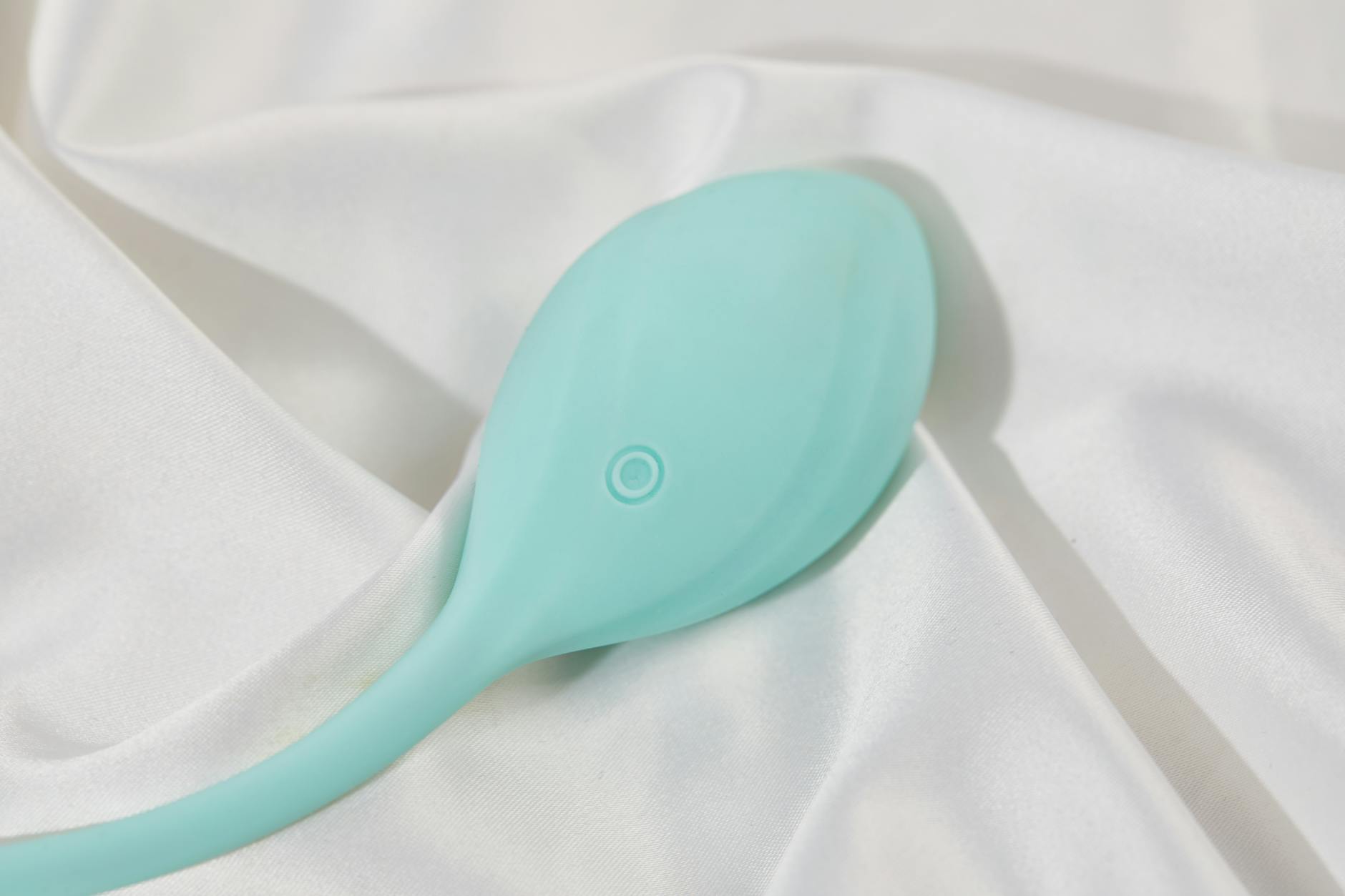
Photo by IFONNX Toys on Pexels
Why this conversation is actually about intimacy
Here's what I've seen happen over and over: couples who have this conversation end up feeling closer, not further apart. Not because of the vibrator. Because of the vulnerability.
You're telling your partner what you want. You're asking them to step into that desire with you. You're being honest about your body and what brings you pleasure. That's intimacy. That's trust. That matters way more than the device itself.
The lemon vibrators we talk about in our guide to lemon clitoral vibrators work because they mimic natural suction patterns. But they work even better when there's real communication behind them. A vibrator in a couple that talks openly is different from a vibrator in a couple that's embarrassed. The pleasure is different. The connection is different.
Making it part of your routine
Once you've tried it, the question becomes: how often? There's no rule. Some couples use vibrators every time they have sex. Some use them occasionally. Some use them solo and partnered sex separately. All of that is fine.
What matters is checking in periodically. "Is this still working for you?" "Do you want to try something different?" "Are there things you're curious about?" Treating it like an ongoing conversation, not a one-time event, keeps it integrated instead of weird.
If you're looking for information on how different lemon vibrators work on different bodies, we've covered that in depth. Understanding the mechanics helps with confidence, and confidence makes the whole thing easier.
The actual hard part
The conversation isn't really hard. Getting there is. It's the sitting with the fear before you say anything. It's the voice in your head telling you all the ways this could go wrong. It's the assumption that your partner will be hurt or threatened.
But here's what I know from two decades of working with couples: when you show up with honesty and desire, partners almost always show up with curiosity. They might not be immediately enthusiastic. But rejection is rare. Judgment is rare. What you mostly get is a partner who appreciates being trusted with something vulnerable.
Your pleasure matters. Your desire is worth naming. And your partner probably wants to know what that is. The conversation just needs a gentle opening.
FAQ: talking to your partner about lemon vibrators
What if we've been together for 20 years and never talked about toys?
Long-term relationships often have the most outdated assumptions. You might not actually know what your partner thinks because you've never asked. The conversation is scarier because of the time that's passed, but it's also more important. Starting it is the hardest part. Once you do, you'll probably find there's been curiosity on their end too, just unspoken.
Is it bad to introduce a vibrator because my orgasms have changed?
Not at all. Bodies change. Sensitivity shifts. Hormones fluctuate. As you age, orgasms might take longer to build or feel different than they used to. A tool that creates different stimulation can genuinely help. That's not a sign of dysfunction. It's adaptation. Frame it that way with your partner: "My body has changed, and I want to explore what works now."
What if my partner wants to use the vibrator on me but I'm nervous about them controlling it?
Benefit of the doubt first time. Give them a chance. If you hate it, you can ask to take control back. You can also set a boundary before you start: "I want to hold it this time and show you what feels good." Good partners respect that. It's not rejection. It's clarity.
Can lemon vibrators help if our sex has become routine?
Sometimes. New tools can shake things up. But often what's actually needed is a conversation about desire and novelty. A vibrator helps, but it's not a substitute for talking about what you both want. Use the vibrator as a conversation starter, not a band-aid for deeper disconnection.
Should I ask permission or just tell my partner I'm getting one?
Ask. There's a difference between autonomy and partnership. You have the right to your own body and your own pleasure. You also have a partner who deserves a heads-up. Asking isn't submissive. It's respectful. And it's what creates the intimacy piece that makes the whole thing work.
What if my partner seems interested but then gets shy when it's time to actually use it?
Perfectly normal. Shyness isn't rejection. It usually means they're nervous or self-conscious. Address it directly: "I'm nervous too. Want to keep the lights low?" "Want to laugh together instead of taking it seriously?" "Want to try it a different way?" Lightness helps. So does patience. You've got time.
The thing nobody says out loud
Most partners don't actually care about the vibrator. What they care about is feeling wanted. When you show up wanting more pleasure, wanting to explore, wanting them in that exploration, they usually want in. The conversation is just the opening. What happens after depends on how much you both lean into the curiosity.
Start there. Have the conversation. See what your partner actually thinks instead of what you assume they think. Then decide together. That's how this works.
If you need support navigating a deeper conversation about desire or intimacy in your relationship, reach out. That's what we're here for.