Here's what nobody tells you about conflict and pleasure
You had a fight. Maybe it was about money, maybe about whose turn it is to handle the mental load, maybe about something that felt small in the moment but landed like a betrayal. Now you're in bed, and you're trying to use your lemon vibrator, and something feels completely off. The sensation is muted. Arousal won't build. You might even feel numb, or weirdly disconnected from your own body.
This isn't broken. This is your nervous system doing exactly what it's supposed to do.
What conflict does to your body
When there's unresolved tension between you and your partner, your nervous system shifts into a protective state. Think of it as a dimmer switch on pleasure. Your body deprioritizes arousal because, at a neurological level, it perceives the environment as unsafe. Not physically unsafe, necessarily. Emotionally unsafe.
This happens whether you're consciously thinking about the conflict or not. You might be trying to move on, trying to reconnect, but your vagus nerve is sending signals that say "hold back." Arousal requires vulnerability. Your body won't be vulnerable with someone you're still guarding against.
Here's the thing: lemon clitoral vibrators don't bypass this. Air-suction stimulation is powerful, but it's not a workaround for trust. If anything, the intensity of a clitoral vibrator makes the numbness more obvious. You're expecting fullness and getting distance.
The three phases of post-conflict arousal
I see three distinct patterns in couples who are trying to rebuild desire after conflict.
Phase one: Mechanical activation (24-48 hours after conflict). Your lemon vibrator works in isolation. You might orgasm. But it feels hollow. There's a disconnect between what's happening physically and what you're feeling emotionally. Many people report that orgasms in this phase feel weaker, shorter, or less satisfying even when they happen.
Phase two: Fragile reconnection (48-96 hours). If you've started talking, if there's been an apology or explanation, arousal begins returning. But it's conditional and delicate. Your nervous system is testing whether it's actually safe to relax. This is where many couples misfire. One person is ready to move past it; the other is still processing. That mismatch shows up instantly in the body.
Phase three: Authentic return (4-7 days, sometimes longer). Pleasure comes back fully when you've genuinely resolved something, or at minimum when you've both agreed to move forward with understanding. This doesn't always mean you're happy about what happened. It means the threat is neutralized.
Why your lem vibrator might feel less intense
Three neurological reasons:
First, your dopamine system is disrupted. Conflict triggers cortisol (stress hormone). High cortisol suppresses dopamine, which is essential for pleasure sensitivity and orgasm intensity. Your brain is literally less capable of registering pleasure signals, even when they're being sent to your clitoris.
Second, your pelvic floor holds tension during emotional stress. When you're guarding emotionally, that protective tension lives in your body. A tighter pelvic floor means less elasticity, less blood flow, and less ability to feel the full spectrum of sensation from your lemon vibrator.
Third, your attention is divided. Arousal requires focus. If part of your mind is still replaying the argument, anticipating another fight, or managing resentment, you're never fully present. The sensation is happening to you, not with you.

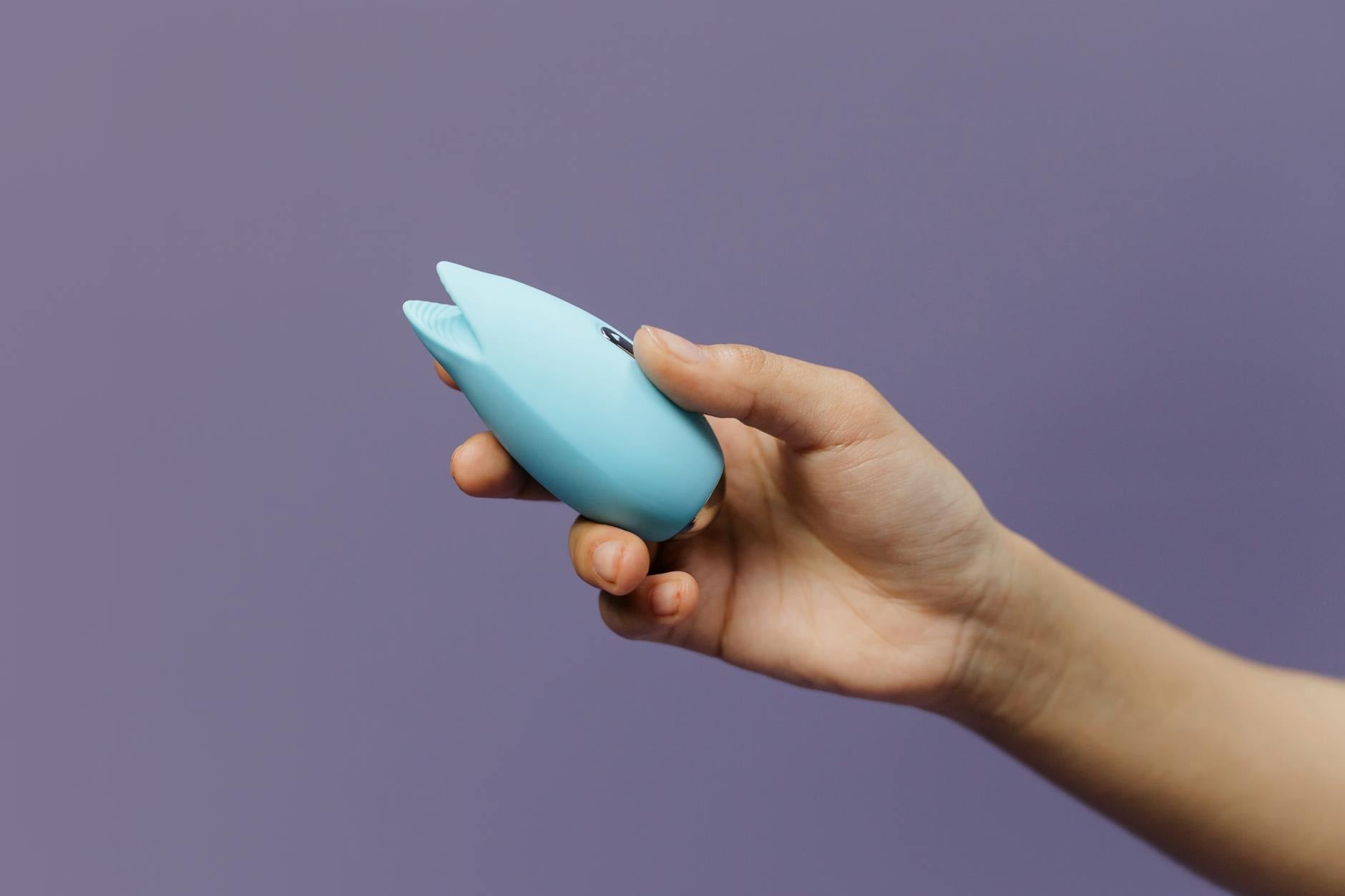
Photo by cottonbro studio on Pexels
The conversation that actually helps
Honestly? Using a lemon clitoral vibrator alone after conflict is often a dead end. Your body needs reassurance before it can relax into pleasure. That reassurance usually comes through words.
If you're trying to rebuild intimacy with a partner, skip the sex for a moment and have this conversation instead. Ask three things:
What do you need from me to feel safe again? Not in a day, not in an hour. What's the actual timeline? If your partner says "I just need time," ask how much. Three days? A week? Getting a number matters because your nervous system stops waiting and starts planning.
What about this conflict scared you the most? Often it's not the fight itself. It's what the fight meant. "You don't care about my feelings" is really "I'm afraid I don't matter to you." You can't fix arousal until you've addressed what's underneath.
What would feel like reconnection to you? For some people it's explicit words. For others it's physical affection (not sex, just affection). For others it's spending uninterrupted time together. Ask. Don't assume.
Once that conversation happens, your nervous system relaxes. Now your lemon vibrator can do what it's designed to do.
When to use your vibrator during conflict recovery
Here's my honest take: if you're still in phase one (24-48 hours), using a vibrator alone might feel worse, not better. Solo pleasure is still valuable, but going in with expectations of intensity is setting yourself up for disappointment.
Phase two (48-96 hours) is when shared exploration with a vibrator can actually help. The physical reconnection can complement the emotional reconnection. Using a lemon vibrator together signals to both of your nervous systems that you're choosing vulnerability again. That's powerful.
By phase three, pleasure returns naturally. Your vibrator feels like it did before the conflict. The sensation is sharp again. Orgasms are full. You might even notice that reconnection sex is more intense than it was before, because you've both recommitted to safety.
The pelvic floor piece (often forgotten)
Conflict creates pelvic floor tension that most people don't notice until they try to use a clitoral vibrator. If you've been holding stress in your body, your pelvic floor is contracted. That tension blocks full sensation and can even make vibration feel uncomfortable or overstimulating.
Before you try your lem vibrator again, try this: spend five minutes just relaxing your pelvic floor. Breathe. Mentally scan your pelvic area and consciously soften. Imagine your pelvic floor muscles releasing with each exhale. This isn't about strength. It's about permission.
If you've been through significant conflict, it can take a few days of intentional relaxation before your nervous system believes it's actually safe to let go.
The relationship signal your body is sending
I want to name something that sometimes gets missed. If conflict consistently makes pleasure disappear, it might be pointing at something bigger. Some couples need conflict to reconnect because that's the only time they're honest with each other. Others find that conflict erases desire because the relationship dynamic is fundamentally broken.
If you're struggling to rebuild arousal after repeated conflicts, or if the recovery time is getting longer each time, that's worth exploring with a partner or therapist. Your body is sending a message. It deserves to be heard.
But if this is an occasional pattern in an otherwise solid relationship? This is normal. Conflict and arousal are complex. Your lemon vibrator doesn't fix the conflict. Honest conversation does. Your vibrator amplifies the reconnection that follows.
FAQ: Rebuilding Pleasure After Relationship Conflict
How long does it usually take for arousal to return after a fight?
For most couples, three to seven days. That's the window where your nervous system typically shifts back into safety. Some people rebound faster if the conflict was resolved quickly and explicitly. Others need longer if trust was damaged. The timeline isn't about how bad the fight was. It's about how thoroughly you've addressed what caused it.
Can you have good sex right after resolving a conflict?
Sometimes yes, sometimes no. It depends on how you resolved it. If you had a real conversation where both people felt heard, arousal can return quickly because your nervous system gets the all-clear signal. If you just agreed to drop it without actually processing it, pleasure often stays suppressed. Your body knows the difference.
Does using a lemon vibrator alone help rebuild intimacy with a partner?
It can, but it's not the main thing. Solo pleasure reminds your body what feeling good is like, which is valuable. But reconnection with a partner requires vulnerability with that partner. If you're only using your clitoral vibrator alone, you're not actually rebuilding the trust. The conversation with your partner is the real work.
Why does my partner's arousal come back faster than mine after a fight?
Men and women often have different nervous system responses to conflict. Some people (regardless of gender) compartmentalize and move on faster. Others need more time to feel safe again. Neither is wrong. If there's a mismatch, that's worth acknowledging explicitly instead of just waiting for the person with slower recovery to catch up.
Should we try using a lemon vibrator together to reconnect?
Yes, but wait until phase two or three of recovery. In phase one (immediately after conflict), it can feel transactional. Once you've actually talked and there's genuine warmth returning, shared pleasure can be a way to rebuild safety together. The vibrator isn't doing the work. The presence and vulnerability are. The vibrator is just an amplifier.
What if my arousal still isn't back after a week?
Talk to your partner about what you actually need. It might not be more time. It might be a specific apology, a specific commitment, or a specific conversation about what the conflict meant. Your body stays defended until the real issue is resolved. If a week passes and you're still numb, the conflict itself probably isn't the real problem. Something deeper needs attention.
The takeaway
Your lemon vibrator is incredible at what it does. But it can't override your nervous system's need for emotional safety. After conflict, arousal returns on its own timeline, but you can help by talking honestly with your partner, by processing what the conflict meant, and by consciously relaxing the protective tension your body is holding.
Once that work is done, pleasure comes back fully. Your clitoral vibrator will feel like itself again. That reconnection is worth the wait.