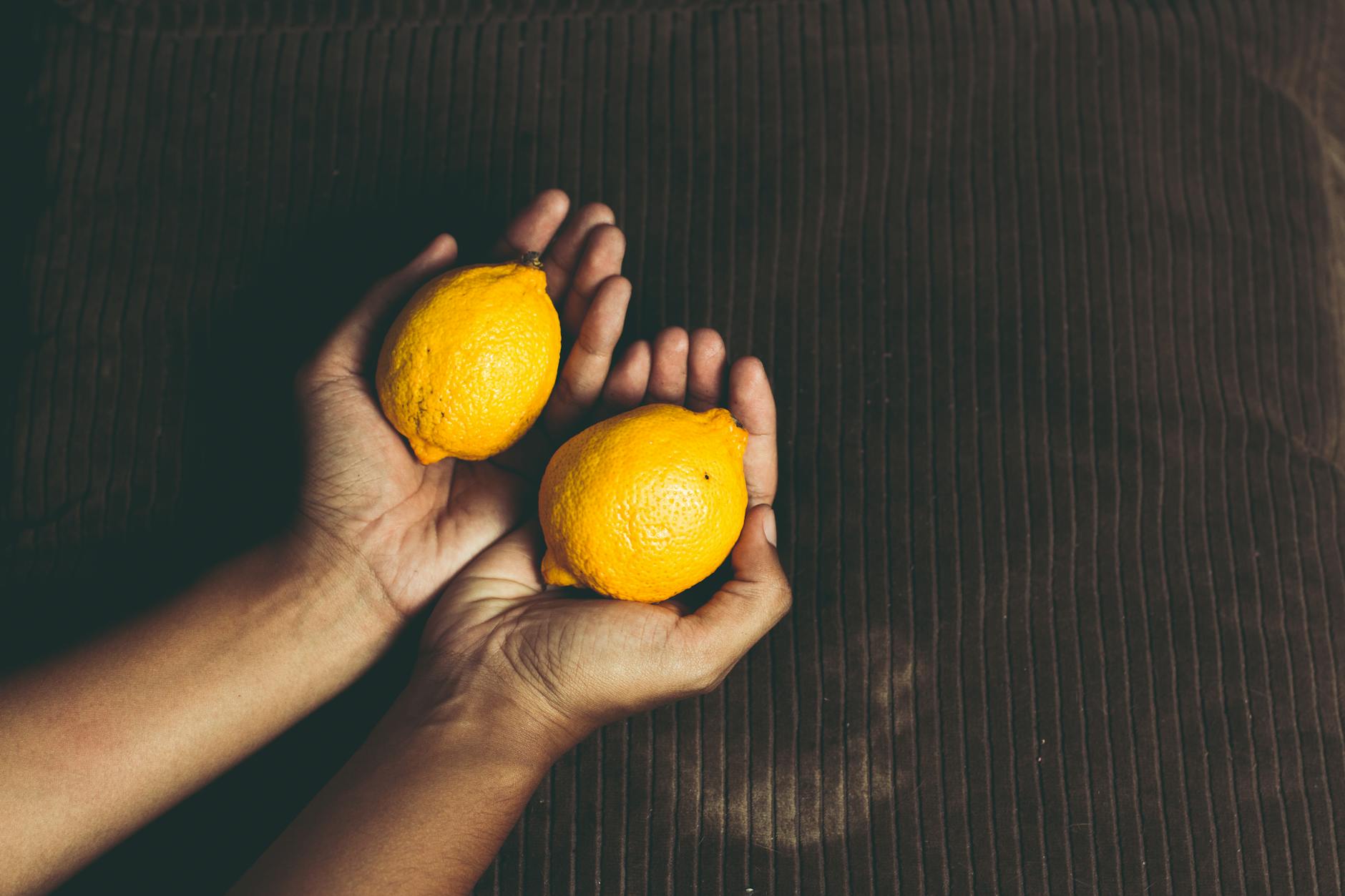
Here's the thing about switching gears
When you've spent years having partnered sex, your body learns a specific rhythm. Your partner knows where to touch you, how fast, when to slow down. Your nervous system has trained itself to respond to another person's presence, timing, their breath, the weight of them next to you. Then you shift to solo play, and suddenly you're the only one in charge. A lemon clitoral vibrator that felt amazing during partnered foreplay might feel completely different now. And that's not a problem. It's actually useful information.
The difference isn't about the toy. It's about what your body and brain are asking for when there's no one else in the room.
What changes when you're alone
Three major things shift when you move from partnered sex to solo pleasure:
Your arousal builds differently. With a partner, arousal often starts before you're even naked. It's cognitive and emotional. You're anticipating what they'll do, responding to their touch, riding the wave of intimacy. Alone, you have to generate the entire arc yourself. This means you might need longer warm-up time, different pacing, or stimulation that feels more directing. Solo play isn't lazy. It's active.
Pressure evaporates. This one's huge. With a partner, there's often an unconscious performance layer. Are they enjoying this? Is it taking too long? Am I being too loud? Solo play strips that away. Your nervous system gets quieter. This can actually make deeper sensation possible, but it can also mean that the intensity level you want changes. Some people find they want gentler touch when no one's watching. Others discover they want intensity they'd never ask for with a partner.
Pleasure becomes the entire point. When you're partnered, pleasure is woven into a larger experience. Emotional connection, physical closeness, the intimacy of being vulnerable together. Solo, pleasure is the only outcome you're working toward. This sounds simple, but it changes everything about how your body responds. You might find that you need different patterns, longer sessions, or a completely different vibe from your lemon vibrator.
The adjustment period is real
If you've used a lemon clitoral vibrator primarily during partnered sex, moving into solo play can feel like learning the toy all over again. The setting that used to feel perfect might now feel too fast or oddly disconnected. You might find yourself reaching for gentler patterns, or conversely, wanting more intensity than you ever did with a partner present.
This is normal. Your nervous system is recalibrating. You're not broken, and neither is your vibrator.
The adjustment typically takes two to four weeks of solo sessions. Start by treating the first few experiences as exploration, not as "getting off." Use lower pattern numbers on your lemon vibrator. Spend time noticing what feels different. Are you more sensitive? Do you want different rhythm? Is the noise level bothering you in a way it didn't before? Pay attention to your body's feedback instead of chasing the orgasm you remember from partnered sex.
Why your nervous system responds differently
When you're with a partner, your sympathetic nervous system is activated. You're on alert, even in a good way. Your breathing might be faster, your heart rate elevated. This activation can actually make certain sensations feel more intense. It's partly why partnered sex and solo play can feel so different even with the same vibrator.
Solo play allows your parasympathetic nervous system to engage more fully. That's your rest-and-digest system. It's not less intense, but it's different. Your nervous system is calmer, which means you might feel sensations more clearly because there's less background noise. This can be deeply satisfying, but it requires patience.
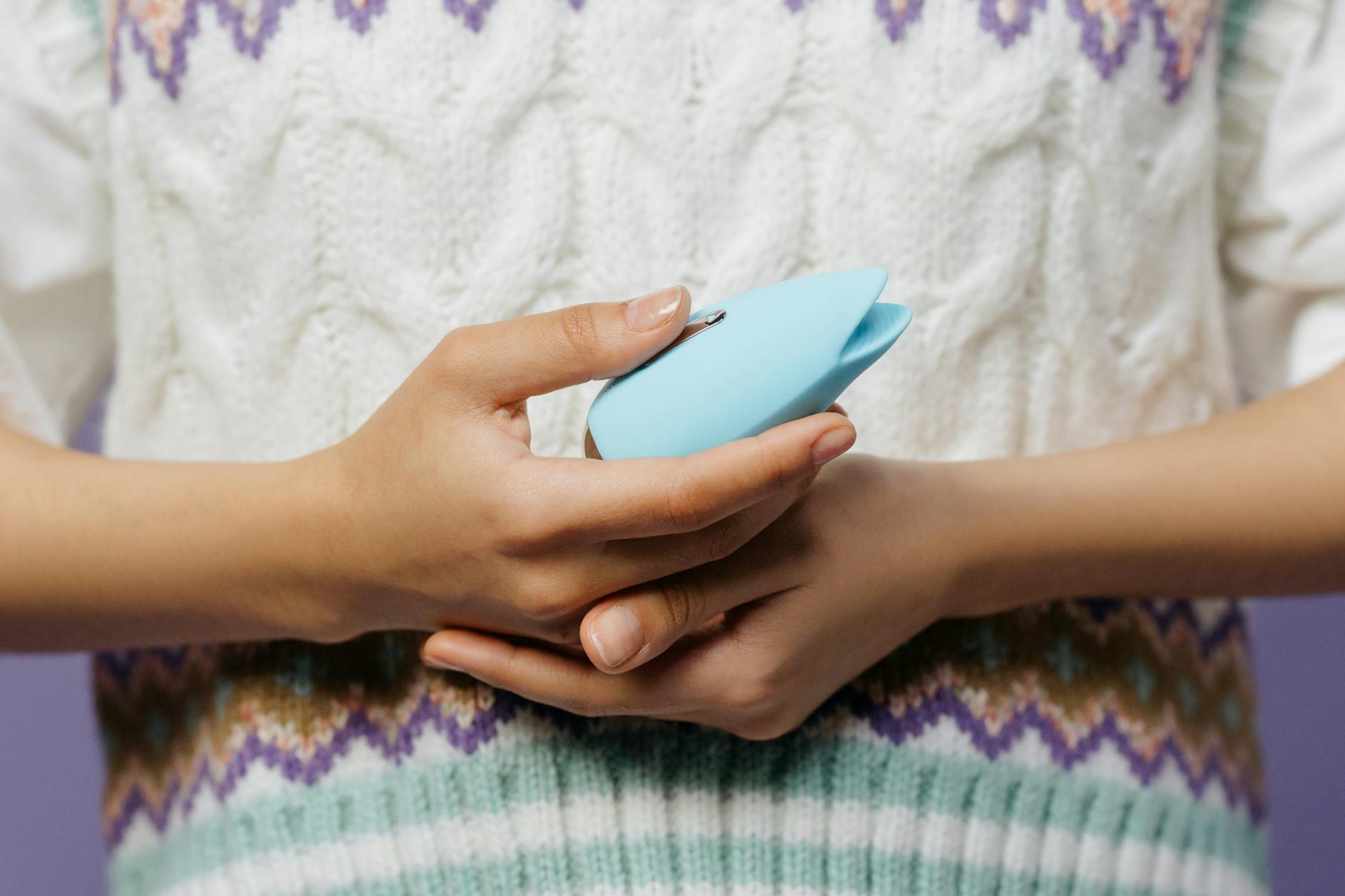
Photo by cottonbro studio on Pexels
The specific adjustments that help
If you're using your lemon clitoral vibrator solo for the first time, here's what typically helps:
Start with pattern 1 or 2. Even if you loved higher patterns during partnered play, your solo nervous system might prefer gentler entry. You can always increase intensity once you've found your rhythm.
Give yourself 20-30 minutes. Solo play often needs more time to build arousal. You're not waiting for someone else's readiness; you're building your own. This isn't wasted time. It's part of the experience.
Create genuine privacy. Not just "no one will walk in." Actual privacy where your nervous system feels safe enough to let go. Phone on silent, door locked, clear calendar. Your body reads safety differently when you're alone than when someone else is there.
Experiment with positioning. Partnered sex usually means a specific set of positions based on someone else's anatomy and preference. Solo play is just your body, your toy, and unlimited options. You might find that lying on your back, sitting, kneeling, or standing with your lemon vibrator feels completely different in terms of what sensations reach you.
Notice your breath. When arousal builds solo, breathing often gets shallow. Deliberately deepening your breath signals your nervous system to relax. This small shift can make sensation feel richer.
When you miss the partnered feeling
Honestly though, some people find that they genuinely prefer the sensation of partnered sex, and solo play never quite replaces it. That's not a failure. It's data. You might be someone who needs the physical presence of another person to feel fully aroused, and that's completely valid.
But solo pleasure isn't meant to replace partnered sex. It's its own thing. If you're grieving the partnered experience, that's worth sitting with separately from your lemon vibrator. The vibrator can't be another person. It can only be an excellent tool for pleasure on its own terms.
If you're in a partnered dynamic and want to bring solo play into the relationship, that's a different conversation with different benefits. Some couples find that solo pleasure alongside partnered sex deepens intimacy. Others don't. There's no rule.
The question of staying connected to pleasure
One of the biggest surprises people notice when they shift to solo play is that their relationship to their body changes. You're touching yourself intentionally, paying attention to sensation, learning what you actually like instead of what works in a partnered dynamic. This can feel deeply empowering. It can also feel lonely at first.
Both feelings are valid. You're rewriting the story of your pleasure, and that takes time. Your lemon clitoral vibrator is a tool in that rewriting, not the whole story.
Be patient with yourself during the adjustment. You've spent years training your body to respond to partnered sex. Solo play is a new language. Your body will learn it, but not overnight.
People also ask
Should my lemon vibrator feel the same during solo play as it did with a partner?
No. Your nervous system is in a different state, your arousal builds differently, and the entire context is different. Expect the experience to feel distinct. This usually settles into a new normal within a few weeks of solo sessions. If nothing feels good after a month of regular exploration, you might need a different toy, but that's less common than people assume.
What if solo play with my lemon clitoral vibrator feels empty compared to partnered sex?
That emptiness often isn't about the toy or the pleasure itself. It's about missing the relational aspect of partnered sex: being known, desired, touched by someone else. A vibrator can't provide that, and it shouldn't have to. If you're grieving partnered sex, that's something to work through separately. Solo pleasure and partnered pleasure are different categories, not competitors.
How long does it take to feel comfortable with solo play after years of partnered sex?
Most people report a shift between two to four weeks of regular solo sessions. Your nervous system needs time to recalibrate. Some people need longer. Some settle in faster. The key is consistency and low pressure. You're not training to reach orgasm. You're learning what your body wants when you're the only one steering.
Can I use my lemon vibrator during partnered sex and solo play without it feeling weird?
Absolutely. Many people use the same vibrator in both contexts. The toy doesn't know the difference. Your body might experience it differently depending on the context, but that's fine. You might find you prefer different settings depending on whether you're with a partner or alone, and that's normal.
Is it normal to want different intensity levels solo versus with a partner?
Completely normal. Your arousal, pacing, and nervous system state are all different. Many people want gentler stimulation solo because there's no performance pressure. Others want stronger intensity because they're not managing someone else's comfort. Both are valid. Let your body guide the intensity, not what worked before.
What if I can't orgasm solo but I could with a partner?
This is one of the most common concerns. Orgasm solo often requires a different approach than with a partner. You might need different patterns, more time, different positioning, or a different vibrator altogether. It's not a dysfunction. It's just different. If this is frustrating you, the post on how to use a lemon vibrator when you're newly single and exploring solo pleasure has more specific troubleshooting.
The bottom line
Your lemon clitoral vibrator isn't failing you when solo play feels different. Your nervous system is doing exactly what it should be doing: responding to a completely different context. The shift from partnered to solo pleasure isn't a loss. It's an opportunity to learn what you actually want when there's no one else to please.
Give yourself permission to explore without expectations. Your body knows how to feel good. It just needs time to remember how to do it on its own terms.
If you have questions about your specific situation, we're here to help. Reach out at /contact.
Sources
Gottman, J.M., & Silver, N. (2015). The Seven Principles for Making Marriage Work. Harmony.
Perel, E. (2018). Mating in Captivity: Unlocking Erotic Intelligence. Harper Paperbacks.