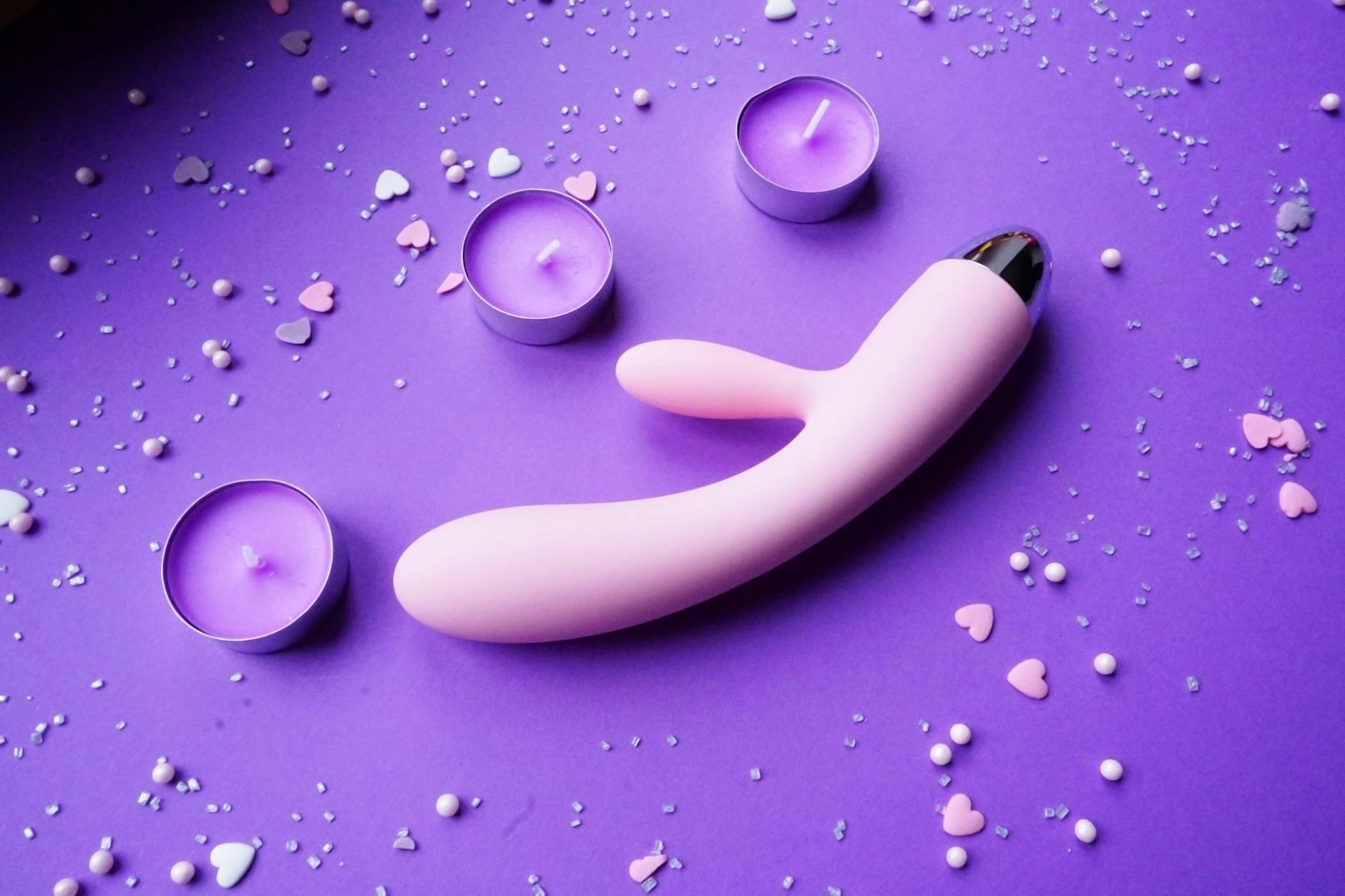
Your body isn't inconsistent. Your cycle is just loud.
Here's the thing: if your lemon vibrator or other clitoral vibrators feel amazing one week and meh the next, you're not broken. You're not losing sensitivity. You're just mid-cycle, and hormones are doing what they always do. Estrogen and testosterone peak at different times, blood flow to your genitals shifts, and your nervous system's sensitivity literally changes. Your lemon sexual toys respond to a body that's constantly shifting gears. Once you understand the pattern, you stop fighting it and start using it.
This is the stuff nobody talks about, but everyone experiences.
The follicular phase: your lem vibrator's golden hour
Days 1-14 (roughly, but your cycle might be different). Bleeding stops, estrogen starts climbing, and your body feels like it's waking up.
This is when a lemon vibrator or lem vibrator feels most intense. Why? Rising estrogen increases blood flow to the vulva, thickens the vaginal tissues, and ramps up nerve sensitivity. Your clitoris is literally more engorged, more reactive. You'll probably notice arousal builds faster here. That warm-up time that felt essential last week? Shorter now. Many people find they can orgasm more easily during this phase, sometimes multiple times.
This is also when your body tolerates more intense patterns without fatigue or soreness. If you've been curious about trying a stronger lemon adult toy or pushing intensity on your Lem, follicular phase is your testing ground. Your nervous system can handle more sensation without getting overwhelmed.
The mental component matters too. Testosterone rises during follicular phase. You'll probably feel more confident, more goal-oriented, maybe less in your head about whether you "should" be doing this. That psychological ease translates directly into sensation. You're not managing anxiety about pleasure. You're just having it.
Ovulation: the brief, bright peak
Days 13-15 (roughly). This is a 24-48 hour window where everything gets turned up to maximum.
Both estrogen and testosterone spike at ovulation. Blood flow to your genitals is at its highest. Nerve sensitivity is peak. Many people report this is when orgasms feel strongest and come quickest. Your lemon vibrator feels almost shockingly responsive. You might need less time stimulation. You might feel multiple waves instead of a single orgasm.
This is also when sensation can feel almost too intense for some people. If you're someone who gets overwhelmed by strong stimulation, ovulation is when you might want to back off intensity or take longer rest between sessions. The Lem on setting 1 might feel like setting 3 did last week.
Pay attention here. Ovulation is your window into what your body is truly capable of. Whatever feels easy now, whatever patterns work best now, that's your baseline for pleasure. Everything else is a variation, not a ceiling.
The luteal phase: when you need different tools
Days 15-28. Estrogen and testosterone both drop. Progesterone rises. This is the longest phase, and it's where most people stop using their lemon vibrators altogether because they "don't work" anymore.
They work. Your body just changed.
Luteally, you'll probably notice arousal takes longer. Your tissues are thinner (less estrogen). Lubrication might be less generous. Your nervous system is more irritable generally, so intense vibration might feel jarring instead of good. Many people report that the Lem feels too strong during this phase, or that orgasms feel harder to reach. Some notice their clitoris feels less sensitive, or that they need more direct pressure than they do follicularly.
This doesn't mean stop. It means adapt. Lower the intensity. Spend more time on foreplay. Use lube even if you don't usually. Try gentler patterns (the Lem's lower settings are genuinely different experiences than setting 1, which isn't as quiet or as soft as some marketing suggests). Some people find that blended stimulation works better luteal phase. Internal pressure plus external vibration sometimes feels more accessible than clitoral vibration alone.
The luteal phase is also when you're likelier to feel touched out, overstimulated, or just not interested. That's legitimate. Progesterone softens libido. This is your body asking you to slow down. Honor that. There are 14 days every cycle when pleasure is easier. Use those. The other 14 days aren't failures. They're just different.
Menstruation: the variable wild card
Days 1-5. This is when everything gets weird because everyone's experience is different.
Some people feel zero interest in any lemon vibrators or clitoral vibrators during their period. Some feel more interested. Some find their clitoris feels incredibly tender and sensitive (actually too sensitive for vibration). Some find pleasure is an excellent cramp reliever.
Biologically, period-phase involves uterine contractions, lower estrogen, and sometimes increased sensation in the pelvic region. Whether that feels good or terrible is genuinely personal. And it can change month to month.
The only rule: listen to what your body says right now. If your Lem sounds appealing, use it. If touch feels like too much, that's equally valid. If your vulva feels raw, skip it. You don't need to push through phases where your body is asking for rest. The vibrators aren't going anywhere.
How to track what's actually happening in your body
You probably already know when you ovulate roughly. (If you don't, tracking ovulation is genuinely useful for this. You'll notice cervical mucus gets stretchy and slippery, your temperature rises slightly after ovulation, or you just feel it happening). Start noting how different tools and patterns feel across your cycle for two months. You'll see patterns.
Write down: how fast arousal happened, what intensity felt good, whether you needed more warm-up time, how orgasms felt, how long sessions lasted, whether you felt interested at all.
This isn't medical data. It's usable information about your own body. Once you know your pattern, you stop being surprised. You stop assuming your lemon vibrator is broken. You adjust.
The secondary shifts: medications, stress, sleep
Hormonal birth control flattens your cycle. If you're on hormonal contraception, you probably don't experience these phase-based shifts the way cycle-tracking people do. Your sensitivity might stay relatively stable, or it might be lower overall. That's fine. Different nervous system, different experience.
Stress tanks arousal across all phases. Sleep deprivation does too. So does depression or anxiety. Sometimes what feels like a cycle shift is actually just sleep. Get four nights of eight hours, and your follicular-phase sensitivity bounces back.
The why underneath
Estrogen makes tissues thicker, more elastic, more blood-filled. It increases nerve sensitivity. Testosterone drives desire. Progesterone (luteal phase) is sedating, mood-altering, and actually makes your threshold for painful stimulation lower. Your vaginal flora changes. Your pelvic floor tension changes. Lubrication patterns change. Your brain chemistry changes.
You're not the same person all month. Your lemon vibrator isn't failing. Your body is just cycling through a set of entirely normal, physiological changes that we almost never talk about because selling a product that works the same way all month is easier than explaining that sexual pleasure is genuinely contextual.
What changes are worth mentioning to a partner
If you have a partner or multiple partners, some of this matters to them. Specifically: "I feel most interested and sensitive around ovulation" is useful information. "The luteal phase is harder for arousal, and that's biology, not lack of attraction" is useful information. "I need different things different weeks" is useful information.
The stuff that doesn't matter: your partner doesn't need a fertility-tracking blow-by-blow. They don't need to feel responsible for your low-libido weeks. They just need to know it exists, it's normal, and it's not about them.
The honest version
Your body isn't broken across half your cycle. You're just operating under different neurochemical and hormonal conditions. The lemon clitoral vibrators that feel perfect during ovulation will feel different during menstruation. That's not a product failure. That's biology working normally. Once you accept that, you stop feeling like you're doing pleasure wrong. You start using the right tool for the current conditions. Which is exactly what you should be doing anyway.
FAQ: Cycle and Vibrators
Do I really feel clitoral vibrators differently across my cycle, or is this psychosomatic?
It's entirely physiological. Estrogen increases blood flow and nerve sensitivity. Progesterone is mildly sedating and lowers pain thresholds. Testosterone drives desire. These aren't subtle. You're not imagining it. What you're experiencing is your body responding to legitimate hormonal shifts. That said, expectation also shapes experience. If you believe follicular phase will feel better, you'll probably be more relaxed and aroused, which makes it feel better. Both things are true.
If I'm on hormonal birth control, will I still experience these cycle shifts with my lem vibrator?
Usually not, or much less noticeably. Hormonal contraception flattens the peaks and valleys of your natural cycle. Sensitivity, desire, and lubrication tend to be more stable across the month. That doesn't mean they don't shift at all. Stress, sleep, and relationship factors still matter. But the dramatic changes you see with cycle tracking are usually muted or absent on hormonal birth control. If you notice dramatic shifts despite being on hormonal contraception, talk to your GP about your specific formulation.
Can I use my lemon vibrator during my period?
Yes, if your body wants that. Some people find clitoral vibrators help with cramps. Some find their clitoris is too tender during menstruation. Both are normal. The Lem and other lemon sexual toys are safe to use during your period. Just make sure you clean it afterward (blood is a biohazard), and if you're using internal stimulation as well, check your menstrual product fits alongside whatever else you're using.
Why does my orgasm feel weaker luteal phase even when I can reach it?
Progesterone and lower overall estrogen change the quality of pelvic floor engagement during orgasm. Your pelvic floor might not contract with the same force or clarity. You might feel more diffuse sensation instead of localized intensity. That doesn't mean the orgasm is worse. It's just a different type of orgasm. Some people actually prefer luteal-phase orgasms because they feel more whole-body rather than localized. It's worth exploring what's actually better for you rather than assuming follicular-phase intensity is the goal.
If my partner is on a different cycle or no cycle, how do I explain why I want different things different weeks?
Directly. "Around ovulation, I feel way more desire and sensitivity. Mid-cycle through luteal, I need slower build-up and less intense stimulation." That's it. Most partners appreciate knowing the pattern because it takes the guesswork out of "does my partner not want me?" The answer is usually "my partner wants me differently depending on hormones," which is manageable information. You can even compare notes on your own energy and desire shifts if your partner menstruates.
Should I avoid lemon vibrators entirely if I'm going through perimenopause or menopause?
Absolutely not. Menopausal and perimenopausal bodies actually benefit from regular clitoral vibrator use. Here's why: your estrogen is dropping, so tissues are thinner and more easily irritated, but consistent stimulation maintains blood flow and nerve sensitivity. That said, you might need more lube and gentler patterns than you did when cycling. The adjustment isn't "stop," it's "adapt." A lemon vibrator becomes even more useful because it delivers consistent stimulation without the friction that can feel raw on thinner tissue.
References and further reading
Emily Nagoski's "Come As You Are" covers the neurobiology of sexual response across the menstrual cycle with brilliant clarity. The text "Cycle Syncing" research from Alisa Vitti, while controversial in fertility circles, has solid neurochemistry backing the mood and sensitivity shifts. The Journal of Sexual Medicine publishes cycle-specific studies on arousal and orgasm regularly. If you want to understand your own body's patterns, menstrual tracking apps give you data, but your own observations matter more than any algorithm.
Your body knows what it needs across each phase. Lemon vibrators and other clitoral toys are tools that work better when you stop expecting them to feel the same way all month. They won't. And that's the point.