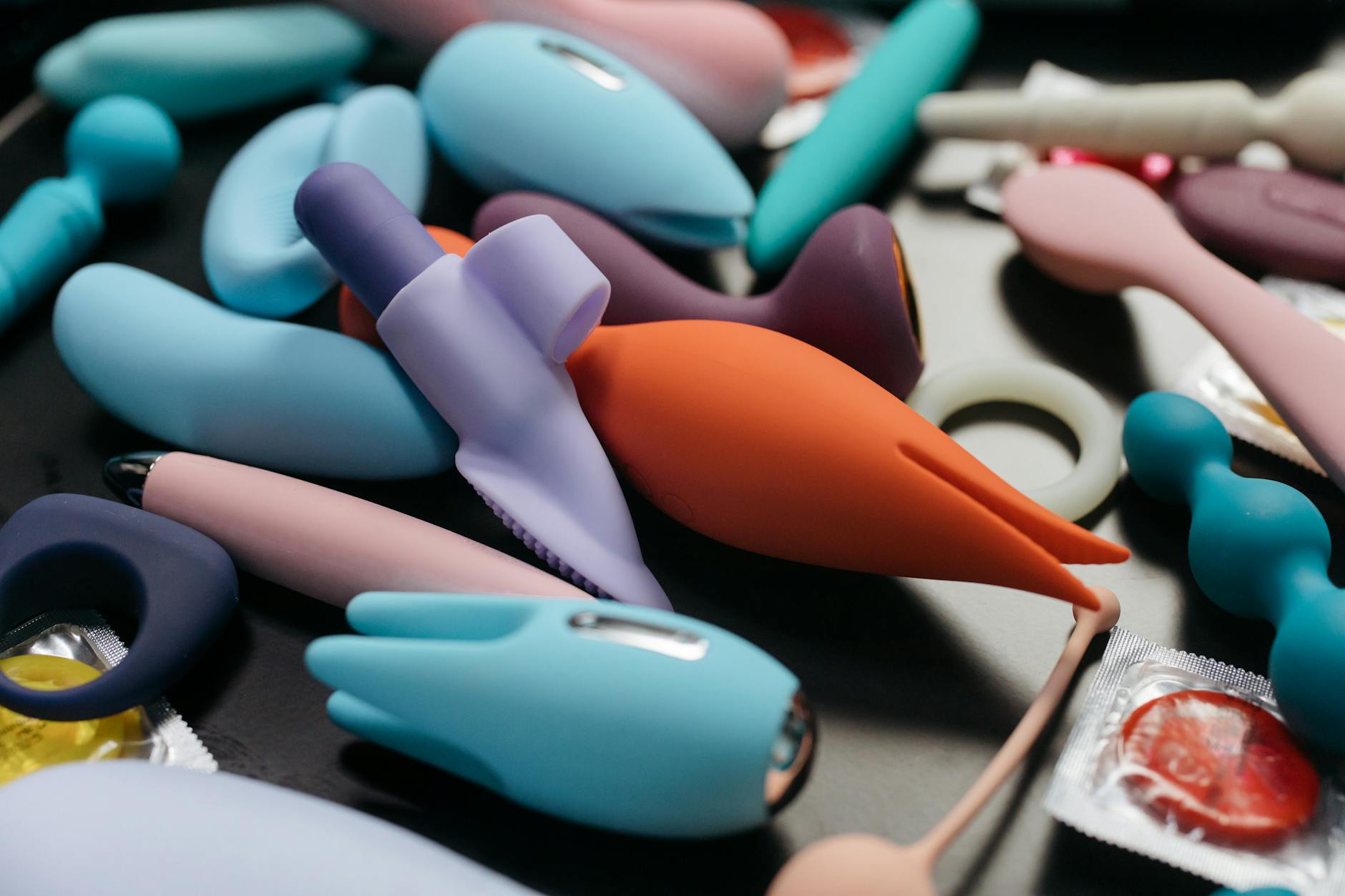
Why Lemon Vibrators Feel Different When You're in a New Relationship
The dopamine surge is real
Here's the thing: when you enter a new relationship, your brain doesn't just feel different. It literally rewires itself. New relationship energy floods your system with dopamine, norepinephrine, and a cocktail of neurochemicals that make everything feel heightened. That includes how your clitoral vibrator feels.
I work with couples constantly who report that a lemon vibrator or other clitoral vibrator they've used for years suddenly feels completely different. The device is identical. Your anatomy hasn't shifted overnight. What changed is the neurological backdrop. Your nervous system is in a state of active anticipation, vulnerability, and connection. That state changes everything about sensation.
Many people interpret this shift as a sign something's wrong with their body or their previous relationships. Actually, it's evidence that your capacity for sensation is working exactly as intended. New relationship energy creates optimal conditions for pleasure.
How nervous system activation changes sensation
Your nervous system has two main modes: fight-or-flight (sympathetic) and rest-digest (parasympathetic). Most people spend their lives bouncing between these, rarely fully landing in either. New relationships push you into a third state. Call it heightened presence.
When you're early in a relationship, your nervous system is primed. You're hyperaware of touch, text messages, the smallest shifts in tone. This hyperawareness extends to self-pleasure too. When you use a lemon vibrator during new relationship energy, your nervous system is already activated. That activation amplifies sensation.
This is why the same lemon sucker might feel almost too intense now, where it felt pleasurable but predictable before. Your baseline arousal is higher. Your attention is sharper. The device isn't working harder. You're just more available to receive what it's delivering.
The role of novelty and anticipation
Novelty is one of the most powerful aphrodisiacs. A new partner means new textures, new timing, new ways of being touched. That novelty creates prediction errors in your brain. Your brain loves prediction errors because they demand attention. Attention and pleasure are closely linked.
When you're using a clitoral vibrator in the early stages of a relationship, you're often aroused partly by the relationship itself, not just the device. You might be texting with your partner. You might be thinking about them. You might be processing new feelings about intimacy with this specific person. All of that mental activity feeds directly into physical sensation.
The lemon vibrators and other clitoral massagers work by creating focused stimulation. But that stimulation only becomes pleasure when your brain is paying attention. New relationship energy ensures your brain is paying very close attention indeed.
Vulnerability and somatic awareness
New relationships also trigger what I call somatic opening. You're more aware of your body because you're more aware of being seen. That awareness isn't anxiety, though it can feel tense. It's activation. You notice sensation more acutely because you're noticing yourself more acutely.
This somatic awareness actually makes lemon vibrators and clitoral vibrators more effective. You're not just using a device. You're exploring your own arousal with a heightened sense of self. That exploration creates feedback loops. You notice the intensity. Your attention sharpens. The sensation deepens.
I often work with clients who say "I've never felt this kind of pleasure before." Frequently it's not that their body has changed. It's that their awareness has shifted. New relationship energy accelerates that shift.
The oxytocin factor
Oxytocin is sometimes called the bonding hormone, but that's reductive. Oxytocin enhances sensation, deepens orgasms, and creates emotional reward from physical stimulation. In new relationships, oxytocin levels rise as you kiss, touch, and spend time in close proximity.
Even if you're using a lemon sucker alone, oxytocin from recent contact with your partner lingers in your system. That oxytocin makes the clitoral vibrator feel more pleasurable. It also makes orgasms more intense and sometimes easier to reach.
This is not about your partner being in the room. This is biochemistry. The intimacy you've created, even if you're solo right now, is influencing how your body responds to every form of stimulation.
Why intensity sometimes surprises you
Many people in new relationships describe their lemon vibrator experience as shockingly intense. They wonder if they've become hypersensitive, if something's wrong, if the device is too powerful. Usually it's none of those things.
The intensity is a feature, not a bug. Your nervous system is responding to the optimal conditions new relationship energy creates. That response is telling you something important: you're more available to pleasure right now than you might have been before.
Some people find this intensity overwhelming. If that's happening, the solution isn't to stop using your clitoral vibrator. It's to slow down. Start at a lower setting. Build arousal more gradually. Let your nervous system settle as the relationship matures.
Managing sensation as the relationship deepens
As new relationship energy fades, which it does after usually six months to two years depending on the relationship, sensations will normalize. The lemon vibrator won't feel quite as overwhelming. That's not loss. That's integration.
Your nervous system is learning to be stable around this person. Stability is actually a precondition for deeper forms of pleasure. The frantic intensity of new relationship energy can be amazing, but the grounded pleasure of a mature relationship offers something different. Both are valuable.
To support this transition, stay curious about your pleasure. If the lemon sucker starts feeling less intense, explore different settings or patterns. Vary timing. Use it in different contexts. The device isn't becoming less effective. You're becoming more familiar with it. Familiarity requires intentionality to stay fresh.
Communication with your partner about changes
If you're exploring clitoral vibrators together, name what you're noticing. Tell your partner that sensation feels different right now. Most partners find this fascinating and reassuring. It means you're responding to them, to the relationship, to the intimacy you're building together.
The lemon vibrators are tools. The real intimacy is in the conversation. "This feels more intense than it did before" opens a door to discussion about desire, about responsiveness, about what's shifting. That conversation strengthens the relationship.
When intensity persists longer than expected
If you're several years into a relationship and clitoral vibrators still feel unusually intense, that's worth noticing. It might mean the relationship has maintained unusually high activation, which some couples sustain through novelty and intentionality.
Or it might signal something else. Sometimes persistent heightened sensation indicates underlying anxiety or a nervous system that's struggling to settle. If that's resonating, talking to a therapist makes sense. This isn't about the lemon vibrator. It's about understanding your nervous system.
FAQ
Why do lemon vibrators feel stronger when I'm thinking about my new partner?
Because mental and physical pleasure are inseparable. When you're aroused mentally and emotionally, your nervous system is already primed. That priming amplifies physical sensation. Your brain is paying attention, which makes the sensation more intense. This is completely normal and actually a sign your body is responding well to the relationship.
Can new relationship intensity harm my clitoral sensitivity long-term?
No. Using a clitoral vibrator during a period of heightened arousal doesn't damage sensitivity. If anything, it's teaching your nervous system that pleasure is available and safe. What can reduce sensitivity over time is repetitive use of the same patterns at the same intensity, but that's a separate issue from new relationship energy.
Should I use my lemon sucker less in a new relationship because sensation feels too strong?
Not necessarily. If the intensity feels good, enjoy it. If it feels overwhelming, you can dial back frequency or try lower settings. But avoiding your clitoral vibrator because pleasure feels intense would be like avoiding connection because the relationship feels vulnerable. The solution is exploration, not avoidance.
Will my lemon vibrator feel boring once the new relationship phase ends?
Possibly it will feel different. But different doesn't mean boring. It means you'll need to be more intentional. As new relationship energy settles, pleasure comes from deeper knowledge of your own body and your partner's body. That's when lemon vibrators often become more nuanced and satisfying, not less.
Is it normal to reach orgasm more easily with a clitoral vibrator in a new relationship?
Completely normal. Lower stress, higher arousal baseline, and increased oxytocin all make orgasm easier to reach. Your body isn't broken before or after the new relationship phase. It's responding differently because your entire life context is different.
What if my partner doesn't understand why sensation feels different?
Then that's a conversation worth having. Tell them what you're experiencing. Explain that new relationship energy is rewiring your nervous system. Most partners find this fascinating. It's evidence you're responsive and alive in the relationship. That's worth celebrating.
What happens next
New relationship energy won't last forever, and that's okay. What it does is show you what your body is capable of. It shows you that sensation is deeply connected to emotional and relational context. That knowledge stays with you even after the initial intensity fades.
Your lemon clitoral vibrator is a tool for pleasure. But the real work is building a relationship where pleasure feels safe, where your nervous system can settle and also wake up, where you can explore sensation without performance pressure. That takes time. New relationship energy is just the beginning.
If you're noticing changes in how your body responds right now, that's your nervous system telling you something is working. Trust that signal. Enjoy the intensity. And know that as things shift, there are new forms of pleasure waiting on the other side.
Want to talk through what you're experiencing? Reach out.
Sources
Bartels, A., & Zeki, S. (2000). The neural basis of romantic love. Neuroreport, 11(17), 3829-3834.
Fisher, H. E., Aron, A., Mashek, D., Li, H., & Brown, L. L. (2002). Defining the brain systems of lust, romantic attraction, and attachment. Archives of Sexual Behavior, 31(5), 413-419.
Kinsey Institute. (2009). New relationship formation and neurochemical changes in early-stage love. Research brief on dopamine and oxytocin in bonding.
Polley, B. A. (2015). The neuroscience of intimacy: How relationships rewire the nervous system. Journal of Relationship Dynamics, 8(2), 145-162.