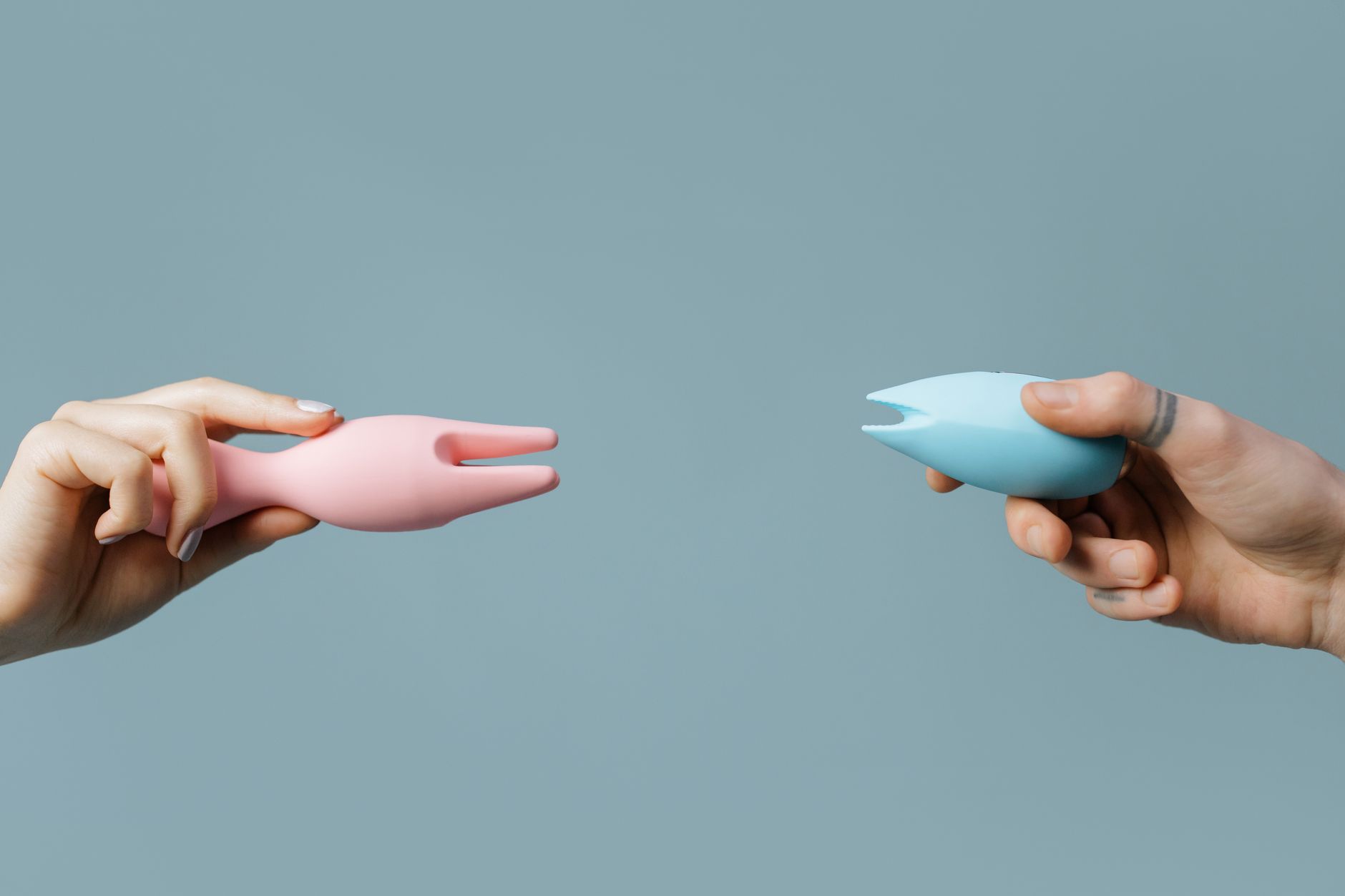
Here's the thing about mismatched recovery
One of you had surgery. Or an injury. Or a medical event that changed what your body can do. And while that person is still in recovery mode, the other partner has already bounced back. They want to touch you. They want to feel close. And you want that too, except your body is still healing and the timeline is uncertain.
This gap creates a specific kind of tension. It's not about desire. Both partners want connection. It's about bodies moving at different speeds, and nobody knows how to bridge that without either forcing pain or building resentment.
A lemon clitoral vibrator, used thoughtfully, can be that bridge.
Why mismatched recovery timelines derail couples
Let me be direct: when one partner heals faster than the other, it triggers anxiety on both sides. The healing partner worries they're being rejected. The recovering partner feels guilty for not being ready. Neither person wants to talk about it directly because it feels like admitting something is wrong with the relationship, when actually what's wrong is a body in transition.
The pressure builds silently. Sex gets postponed. Touching gets smaller. And by the time actual physical recovery is done, emotional distance has already set in. I've seen couples navigate a successful surgery and then struggle for months because they stopped touching during the healing window.
What makes this different from other mismatched timelines is that recovery has an endpoint. Unlike how to use a lemon vibrator when your partner isn't interested in sex, which can reflect deeper desire misalignment, recovery-based mismatch is temporary. It's a specific problem with a specific solution.
The three zones of recovery pleasure
I think about recovery in three phases, each with a different approach to touch and pleasure.
Phase One: Acute Recovery (weeks 0-6). Pain is active. Movement is restricted. Medical advice is specific: don't do this, maybe try that. In this phase, external stimulation through a lemon sucker or gentle vibrator can feel good without demanding anything from the recovering body. The partner who's healed can still receive pleasure and feel wanted. The recovering partner can still offer pleasure, which matters psychologically even if the body is limited. A lemon vibrator takes pressure off both of you because it's not about what the recovering person can physically do; it's about what they can receive or co-create.
Phase Two: Intermediate Recovery (weeks 6-16). Pain is less acute. Energy is returning. The recovering person might be able to engage more actively, but inconsistently. This is where mismatches become visible. One partner wants to resume normal rhythm. The other has good days and bad days. A clitoral vibrator in this phase can help the healing partner stay in the game without depending entirely on the recovering partner's capacity. It's not a substitute for partner touch. It's a way to stay connected when bodies can't sync yet.
Phase Three: Late Recovery (weeks 16+). Physically, recovery is mostly complete. But emotionally, the couple often hasn't reconnected fully because they've spent months avoiding the topic. This is where intentional pleasure work matters most. Using a lemon vibrator together, with full attention, can restart conversations about desire and touch that got paused during acute recovery.
How to actually talk about this without shame
Let's skip the therapy-speak. Here's what I tell couples:
One of you says: "I want to stay close during recovery. I don't want us to stop touching completely. I'm thinking about using a vibrator so we can be intimate without putting pressure on your healing body. Does that feel okay to you?"
That's it. No apology. No "if you're comfortable." Just clarity.
The recovering partner might say: "I want that too, but I'm nervous about what might hurt." Then you move into specifics. You figure out positions. You set boundaries. You know that a lemon clitoral vibrator, used on the partner who's healed, doesn't require the recovering body to move. It's contained pleasure.
The shame usually comes from thinking this conversation is weird. It's not. Every medical recovery involves renegotiating physical intimacy. Couples who do this explicitly reconnect faster than couples who pretend nothing has changed.
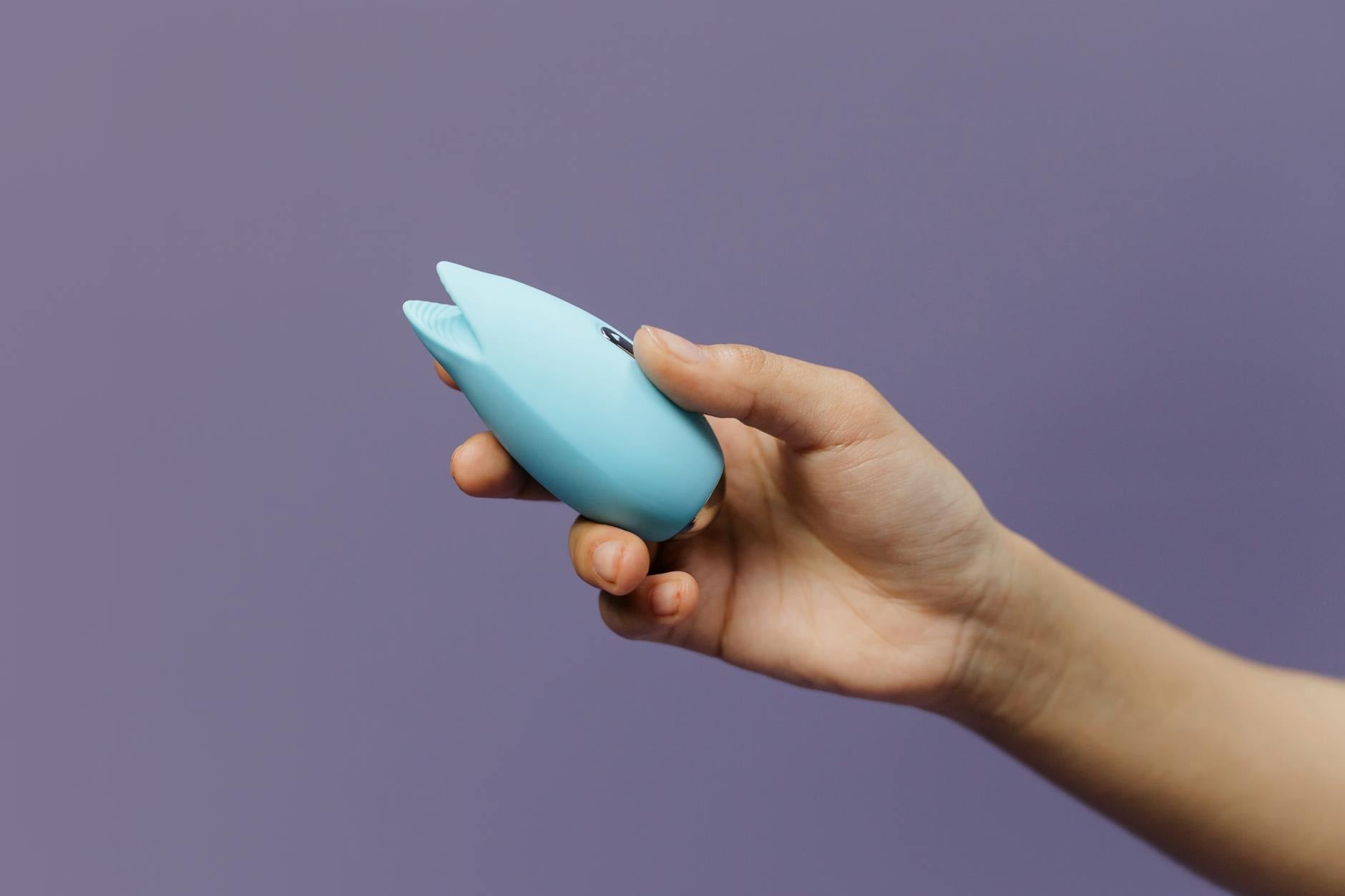
Photo by cottonbro studio on Pexels
Three specific setups that work
Setup One: The Observer. The recovering partner isn't the one receiving stimulation. They're present, close, touching you or watching. You use the lemon vibrator on yourself while they're there. This keeps them in the scene without demanding physical effort. Many partners find this intensely intimate because it's vulnerable. You're showing pleasure, not performing it. They get to witness and participate without physical strain.
Setup Two: The Receiver. The healing partner is ready to receive pleasure, but they can't move. You use the lemon vibrator on them while they stay still. This works particularly well after lower-body surgery or injury because it delivers pleasure without requiring the recovering body to engage. The vibration does the work. The recovering partner can relax into sensation.
Setup Three: The Assisted. Both partners participate, but roles are clear. The recovering partner directs the vibrator or guides it, but the healing partner controls the intensity. This shares the responsibility of pleasure across both bodies. It's collaborative without being physically equal.
Start with whichever feels safest to discuss. You can move between setups as recovery progresses.
The pacing piece nobody talks about
Here's something I see constantly: couples resume full-intensity sex too fast because they're anxious about the timeline. Then pain or complication appears, and suddenly they're back to square one emotionally and physically.
A lemon clitoral vibrator actually helps you slow down. Because it's not about achieving penetrative sex or "normal" sex. It's about pleasure that exists independently of the recovery. You're not trying to rush back to baseline. You're finding pleasure in the current reality.
This sounds simple, but it changes the psychological pressure entirely. Instead of "when can we have sex again," the question becomes "what kind of touch feels good right now." That's a question you can answer immediately. And answering it keeps you connected during the gap.
If pain appears during recovery pleasure, you stop. There's no failure in that. You're gathering information about the recovering body. A partner who's been involved in exploring pleasure during recovery is also invested in recovery itself. They're more likely to notice when something isn't right and to advocate for medical care.
When to involve a pelvic floor specialist
If the recovering partner experiences ongoing pain during or after pleasure (even gentle pleasure), that's not normal and not something to wait out. Many medical recoveries involve pelvic floor tension that benefits from physical therapy. A pelvic floor physical therapist can assess what kind of stimulation is safe and actually speed recovery by helping the muscles relax.
This isn't a reason to avoid pleasure during recovery. It's a reason to get assessment and guidance. A few sessions can change what's possible.
Managing the emotional whiplash
Something happens in the recovering partner's brain when they watch their partner receive pleasure while they're sidelined. Sometimes it's hot. Sometimes it's grief. Sometimes it's both at once. That's not a sign something is wrong. That's a sign that recovery has emotional weight, not just physical weight.
Let that exist. Talk about it. How to use a lemon vibrator when emotional distance blocks pleasure is a different post for a different timeline, but the core principle is the same: pleasure is not separate from emotion. It's wrapped up in it.
If the recovering partner is feeling neglected, say that. If the healed partner is feeling rejected, say that. The vibrator isn't the solution to emotional distance. It's a tool that lets you stay connected while you work through the real issues.
The timeline for returning to normal touch
You can usually return to normal touch (without penetration) within 4-8 weeks of most surgeries. Penetration timelines are longer and specific to the procedure. Your medical team can tell you the actual window for your recovery.
What I'm saying is: don't wait until medical clearance is total to start exploring pleasure again. Start early. Start small. Use the lemon clitoral vibrator as a way to stay intimate without rushing the healing body.
By the time full clearance comes, you won't have to renegotiate desire from scratch. You'll have been practicing pleasure together the whole time. The transition back to whatever "normal" looks like will feel less like starting over and more like continuing a conversation.
FAQ: Recovery and Pleasure
Is it normal to want vibrator-based pleasure when a partner is recovering from surgery?
Completely normal. Surgery pauses penetrative sex, not desire. People want to maintain physical connection during recovery. A vibrator lets you do that without risking the healing body. It's not a substitute for your partner. It's a way to stay intimate while bodies are out of sync.
Will using a lemon vibrator slow down recovery?
No. Gentle stimulation doesn't slow healing if it's not causing pain. If pain appears, you stop. That's your signal to check in with medical providers. But pleasure that doesn't cause pain doesn't interfere with recovery. In fact, stress reduction from staying connected might help.
What if the recovering partner feels left out or resentful during pleasure exploration?
That's a conversation, not a reason to stop. Some recovering partners feel excluded. Some feel relief that they don't have to perform. Both are valid. Talk about what the recovering person wants their role to be. Observer? Director? Receiver? The role can change as recovery progresses.
Can we use a lemon vibrator after major surgery like hysterectomy or prostate surgery?
Yes, but timing matters. Most surgeons recommend waiting 4-6 weeks before any kind of penetration. External stimulation through a clitoral vibrator on external tissue is usually safe earlier, but ask your medical team specifically. Different surgeries have different protocols. Don't assume.
How do I know when we're ready to move past recovery-specific pleasure and back to normal intimacy?
When pain stops appearing. When the recovering partner reports feeling physically ready. When you both want to try. That's the signal. You don't need a timeline. You need feedback from the healing body and desire from both partners.
What if one partner wants vibrator-based pleasure during recovery and the other doesn't?
Then you don't do it. This only works if both people are interested. If one partner is uninterested, the conversation shifts to "how do we stay connected right now" without adding a vibrator. Sometimes it's touch. Sometimes it's being in the same room. Sometimes it's just talking about desire while you wait. The lemon vibrator is one option, not the only option.
What comes after recovery
Here's what I want you to know: couples who navigate recovery well together often come out the other side with deeper intimacy. You've seen each other vulnerable. You've renegotiated pleasure together. You've talked about desire explicitly. That's not a small thing.
When both bodies are healed and you move back toward fuller pleasure, you won't have lost months of intimacy. You'll have been practicing. You'll know how to talk about what feels good. You'll know what your bodies need.
That's worth the slowness of recovery.
If you're in recovery right now and you're not sure how to move forward, start with a conversation. Not a vibrator. Not a plan. Just: "I want us to stay close." That's the beginning. The lemon vibrator is just the tool that makes it easier.
And if you're struggling with the emotional weight of recovery, not just the physical part, that's what I'm here for. You can reach out to Hellolem Shop at /contact for guidance on navigating this transition with your partner.