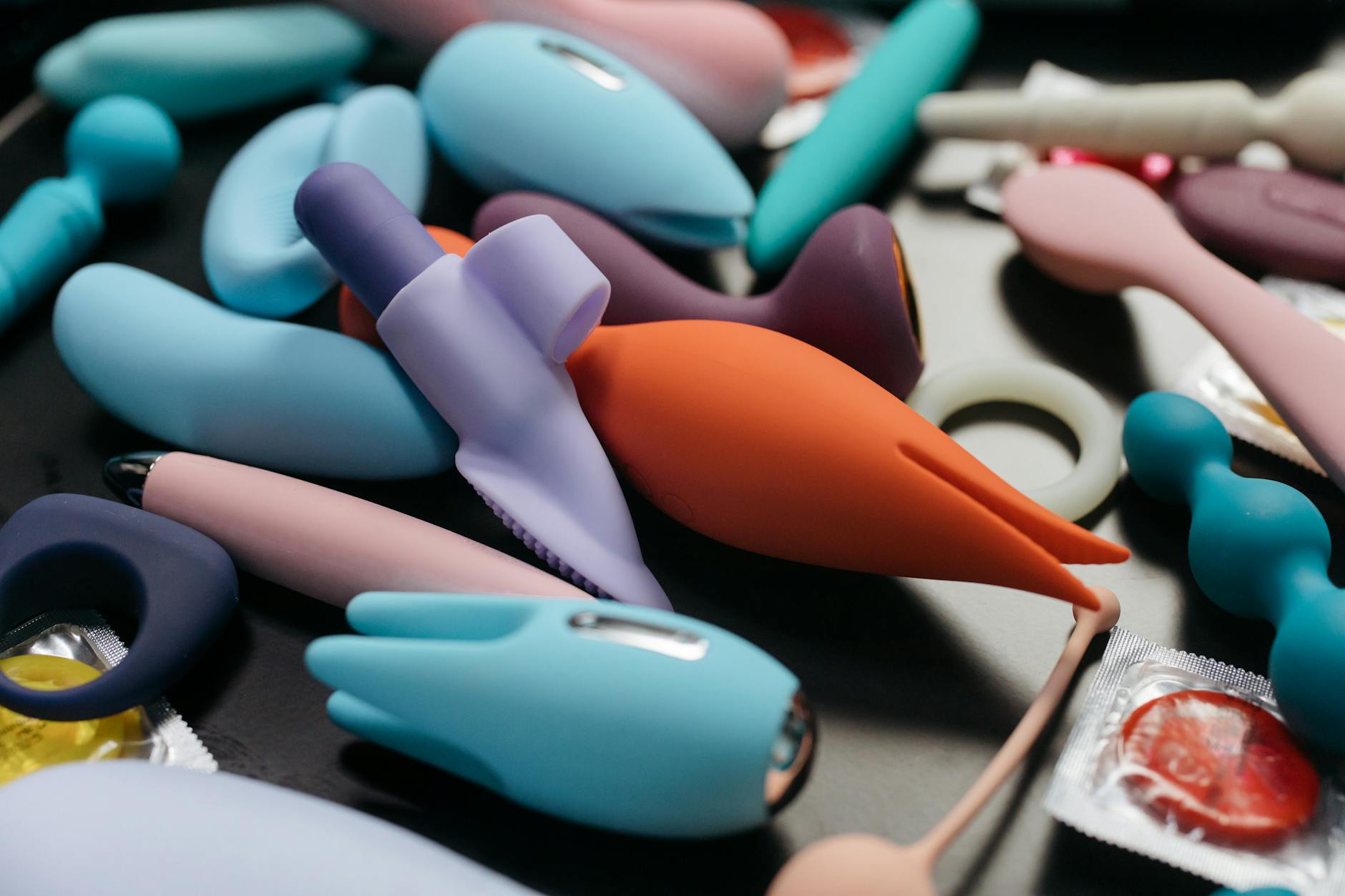
Why Lemon Vibrators Work Better With Lubricant and Which Type to Use
Let's be real: a lot of people skip the lube when using a lemon vibrator. The thinking usually goes something like, "I'm wet enough" or "Won't it just slide around and get messy?" Both are fair instincts. And both are leaving pleasure on the table.
Lubrication doesn't mean you're broken or not turned on. It means you're being smart about pressure, sensation, and longevity. When you add the right lube to your lemon clitoral vibrator, something shifts. The toy glides instead of tugs. Sensation deepens instead of flattens. And your tissue stays healthy instead of getting irritated.
Here's what you need to know to make it work.
How lemon vibrators and lubricant actually interact
A lemon sucker vibrator like the Lem works through rapid pulsation and gentle suction against delicate tissue. Your vulva has skin that's thinner and more sensitive than almost anywhere else on your body. That tissue thrives with a barrier between it and direct friction.
When you use a lemon vibrator dry, you're creating direct contact between the silicone cup and your skin. The suction itself creates some moisture, sure, but it's fighting a mechanical resistance the whole time. Your body has to work harder to accommodate the sensation. Over time, that can leave you feeling sore, raw, or numb.
Add lubricant to the equation and the physics change completely. The lube creates a glide layer. The suction still works (this matters, so I'll say it clearly: good lube does not break the seal on clitoral vibrators). But now the sensation feels smoother, less grabby, and the pressure distributes more evenly across the tissue. You're stimulating nerve endings instead of stretching skin.
This is especially true if you're using one of the higher-intensity patterns on the Lem. The faster the suction, the more a lubricant cushions and refines what you're feeling.
Water-based lube: the safest starting point
Water-based lubricants are the workhorse of the lube world, and for good reason. They're compatible with every material (silicone toys, condoms, your hands), they dry relatively clean, and they're the least likely to cause any kind of irritation.
Why water-based? Because water is neutral. It won't break down silicone (which is what silicone-based lubes can do over years of use), it won't stain fabrics permanently, and if you have a sensitivity to certain ingredients, water-based formulations are typically simpler.
The catch is that water-based lubes reabsorb into your skin and the toy over time. If you're spending 20 minutes with your lemon vibrator, you might need to reapply. That's not a flaw, it's just how the formula works. Some people find the reapplication meditative. Others find it annoying. Test it yourself.
What to look for: Propylene glycol-free formulas are usually a good move if you have sensitive skin (propylene glycol is an ingredient that can irritate some people). Glycerin-free options exist too if you're prone to yeast infections. Most mainstream brands like Uberlube or Yes make solid formulations.
Silicone-based lube: richness and staying power
Silicone-based lubricants feel thicker, slicker, and they stay put. They don't get absorbed as quickly as water-based options, so if you like sustained glide without reapplying, this is your type.
The major caveat: silicone lube can degrade silicone toys over time. Does this happen immediately? No. But if you use silicone lube with a silicone toy consistently for years, the silicone body can eventually become sticky or gummy as the lube breaks down the surface layer.
The workaround is simple: use silicone lube with non-silicone toys, or stick to water-based lube with silicone toys like your lemon clitoral vibrator. If you love the feel of silicone lube, use it sparingly and wash your toy immediately after.
What to look for: Pure silicone formulations (fewer additives, smoother glide). The downside is that silicone lube can stain fabric permanently and is harder to wash off, so have a washcloth nearby.
Oil-based lube: why it's not ideal for vibrators
Coconut oil, almond oil, vitamin E oil. These sound natural and feel luxurious. They're also a really efficient way to damage silicone toys and condoms, and they can create a petri dish for bacteria in warm, moist environments like your vulva.
I get the appeal. Oil feels great. But it's not worth the trade-off. Stick to lubricants actually designed for intimate use. Your lemon vibrator (and your tissue) will thank you.
How to apply lube for a lemon vibrator
There's technique here, even though it sounds simple.
Option 1: lube on the toy. Apply a small amount of water-based lubricant directly to the cup of your lemon sucker vibrator. A dime-sized amount is usually enough. Spread it around the rim where the cup meets the base. Then, when you position the toy, it glides onto your clitoris with the lube already in place. This method gives you control and reduces mess.
Option 2: lube on your body. Some people prefer to apply lubricant directly to their vulva or clitoris first, then bring the toy in. This works too. It just means you might need to reapply more frequently since some of the lube is on your skin instead of the toy.
Option 3: combination. Lube on both. This is the move if you're planning a longer session or if your natural lubrication tends to be minimal.
Start with less than you think you need. You can always add more. Extra lube makes cleanup harder and can dilute sensation for some people.
Why lube matters at different life stages
Your need for additional lubricant changes depending on where you are in your cycle, your age, medications, and stress levels.
If you're menstruating, hormonal shifts can change how much natural lubrication your body produces. Some people need more lube during their period, others less. Pay attention to what your body tells you.
After 40, many people find that lemon vibrators work better with additional lubrication because tissue becomes thinner and less naturally lubricated. This isn't dysfunction. It's biology. External lubricant makes sensation richer and prevents irritation.
Certain medications (antihistamines, some antidepressants, hormonal birth control) can reduce natural lubrication. If you've noticed dryness coinciding with a new prescription, lube is a straightforward solution.
The role of lube in pressure sensitivity
Some people find that lemon clitoral vibrators feel too intense, even on lower settings. Before you assume the toy just isn't for you, try adding lubricant. When you reduce direct friction, you often reduce the sensation of pressure. The suction still registers, but it feels gentler, more diffuse.
If you've struggled with lemon vibrators causing sensitivity or discomfort, lubrication might solve the problem without you needing to change your toy or your technique.
Cleanup and storage after using lube
This is the part nobody talks about until they're standing there with a slippery toy dripping lube onto their sheets.
Rinse your lemon vibrator immediately after use under warm water. Use a tiny dab of soap on the exterior (avoid the motor seam if your toy is waterproof but not submersible). Dry it thoroughly before storage. Any trapped lube can attract dust and degrade the toy over time.
If you used silicone-based lube, you might need to rinse twice. It takes longer to wash off.
Store your toy in a clean, dry place, ideally in a pouch or drawer. Lube residue left on the toy will become sticky when stored in heat or direct sunlight.
Finding your lube baseline
Every body is different. Some people produce abundant natural lubrication and might not need additional lube with their lemon sucker vibrator. Others find that even small amounts of dryness change the whole experience. Neither is normal or abnormal.
The way to figure out your baseline is to experiment. Try one session with lube, one without. Notice the difference in sensation, comfort, and aftermath. Does your clitoris feel sensitive or tender after? Does the sensation feel muted or crisp? Those signals tell you what you need.
If you're using a lemon vibrator with a partner, communication about lube is part of the bigger conversation. Some people feel awkward about lube, but it's a practical tool, not a referendum on desire or arousal.
FAQs about lube and lemon vibrators
Can you use too much lubricant with a clitoral vibrator?
Yes, in the sense that excess lube can dilute sensation for some people, make cleanup harder, and waste product. It won't damage the toy. If you're finding that sensation feels muted or the toy keeps slipping, try using less. A little goes a long way with suction-based clitoral vibrators.
Does lubricant break the suction on lemon vibrators?
No, not when you're using lube properly designed for intimate use. Water-based and silicone-based lubricants are thin enough to allow suction to function. The seal between the cup and your tissue remains intact. This is a common concern but it's unfounded.
Is it normal to need lube if I'm naturally wet?
Completely normal. Natural lubrication and the need for additional lubricant aren't mutually exclusive. Your body's natural lubrication is designed for penetrative sex and friction. A lemon clitoral vibrator creates a different kind of pressure and suction. Extra lube can enhance that sensation regardless of your starting wetness.
Can I use saliva as lubricant for a lemon vibrator?
Technically yes, functionally no. Saliva dries quickly and doesn't provide sustained glide. It also introduces bacteria, though your vulva has its own microbiome so this is less risky than it sounds. For a cleaner, more effective experience, use actual lubricant. It costs three dollars and works infinitely better.
What's the difference between "intimate" lube and regular lotion or oil?
Intimate lubricants are formulated to be safe for mucous membranes (your vulva is lined with delicate tissue similar to inside your mouth). They're pH-balanced, they don't disrupt your microbiome, and they're tested for safety. Regular lotions and oils can disrupt your natural chemistry and create irritation. Use the product designed for the job.
How long does water-based lube last during a session?
With a lemon vibrator, expect 10 to 20 minutes before you notice it drying out, depending on your natural lubrication and the specific formula. Some brands last longer. The only way to know is to try it and take note. This is why keeping lube nearby during a session is smart.
The bottom line
Adding lubricant to your lemon clitoral vibrator isn't about fixing a problem. It's about refining an already good experience into a great one. The right lube changes how sensation feels, how long you can go comfortably, and how your tissue feels afterward. Water-based is your safest bet for silicone toys. Test what you need. And never skip cleanup.
Your pleasure deserves that small extra step. Get in touch if you want personalized guidance on technique or toy care.